Culture news and discussion on TalkFuse.
Vatican museum’s Indigenous collection faces renewed calls for returns
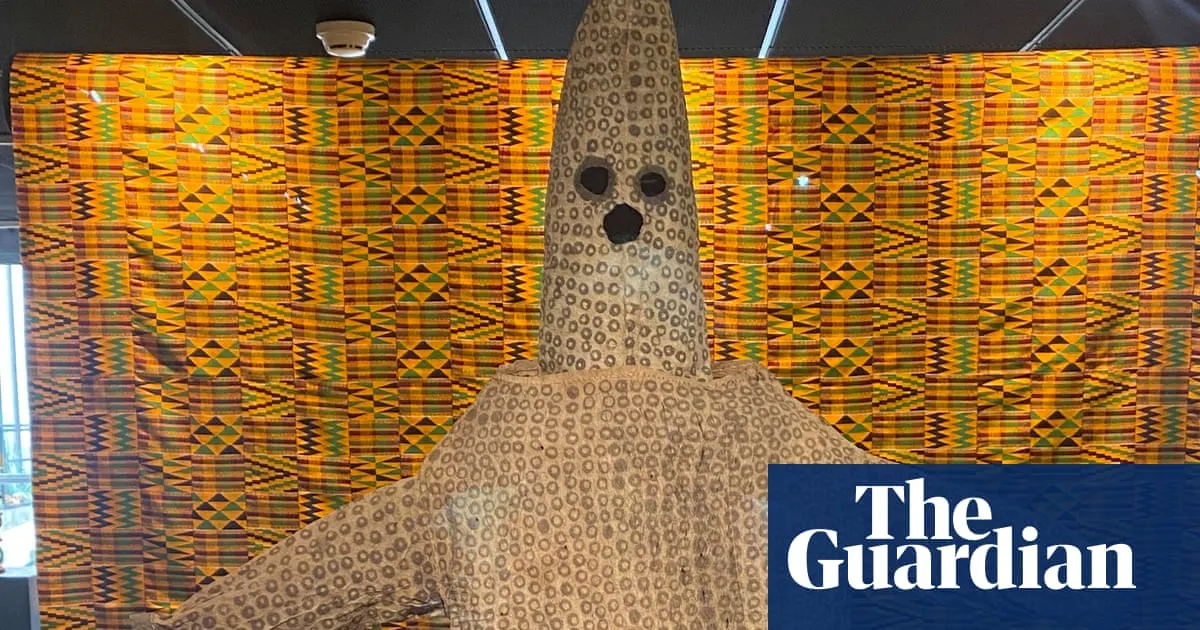
The Vatican’s Anima Mundi museum holds around 80,000 objects from Indigenous communities worldwide, many collected by Catholic missionaries and brought to Rome for a 1925 exhibition celebrating the Church’s global reach. The collection is receiving little attention as the Vatican prepares to mark 400 years since St Peter’s Basilica was consecrated, amid questions about whether the objects were freely given.
The exhibition drew about a million visitors, and many objects stayed in Rome, forming the core of a museum established in 1926. Art historian Gloria Bell describes the collection as colonial and says she has seen evidence that missionaries looted graves in Canada; she argues the objects are cultural belongings connected to ancestors, not simply artefacts. The Vatican declined to be interviewed for the article.
In short
- The Vatican holds about 80,000 objects gathered from Indigenous communities.
- Many entered the collection after a 1925 missionary-led exhibition.
- An art historian questions whether they were freely given.
Steelman: both sides, in good faith
The strongest fair case each way — we don't pick a winner.
The case for
Returning objects collected under colonial conditions could recognise Indigenous communities’ rights, repair historical harms and restore items that remain connected to ancestors and living cultural practices. Where evidence suggests coercion or grave looting, the case for return is especially strong, and a careful review could help establish whether objects were freely given.
The case against
The Vatican could argue that the collection has been preserved in Rome for a century and offers a shared setting for learning about Indigenous cultures and the Church’s history. Because the objects came from many communities and circumstances, it may favour case-by-case research and dialogue over broad calls for return, while distinguishing freely given items from those acquired improperly.
Explained simply
The Anima Mundi museum in Vatican City holds about 80,000 objects from Indigenous communities around the world. Many were gathered by Catholic missionaries and sent to Rome for a 1925 exhibition about the Church’s work overseas; much of the collection remained there and became the basis of the museum.
The objects come from communities with their own histories, traditions and ties to the things their ancestors made and used. Questions about whether they were freely given, and how they were collected, sit within wider debates about museums returning cultural belongings to the communities they came from.
Read the full article at the source →
Originally published by The Guardian as “‘An unsettling colonial collection’: should the Vatican return items ‘gifted’ to it from Indigenous peoples?”.