Culture news and discussion on TalkFuse.
Analogue evil: why today’s horror film-makers are obsessed with obsolete tech
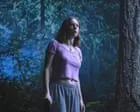
A new wave of horror films, including the recent hits Obsession and Backrooms alongside Jane Schoenbrun's Teenage Sex and Death at Camp Miasma, are embracing analogue props and retro settings rather than sleek modern design. The trend reflects a belief among film-makers that today's minimalist, tech-driven aesthetics lack the texture and menace horror needs, since smart devices and clean surfaces leave little room for the shadowy, unsettling details the genre relies on.
Obsession and Backrooms, made on modest budgets by gen Z directors Curry Barker and Kane Parsons, both grossed hundreds of millions of dollars and drew large youth audiences, featuring items such as vintage cars, cassette tapes and boxy televisions. Teenage Sex and Death at Camp Miasma, starring Hannah Einbinder and Gillian Anderson, extends this approach by following a director attempting to reboot an 80s slasher franchise at its now-abandoned original set. The article argues that old-fashioned objects, such as record players, creaking floorboards and grandfather clocks, create the sense of a "haunted house" that contemporary, cloud-connected interiors simply cannot replicate.
In short
- Horror films increasingly use retro, analogue props instead of modern minimalist design
- Obsession, Backrooms and Camp Miasma exemplify this vintage-tech horror trend
- Film-makers argue sleek modern aesthetics lack the texture horror needs
Steelman: both sides, in good faith
The strongest fair case each way — we don't pick a winner.
The case for
Analogue settings and vintage technology possess genuine artistic merit for horror cinema. Objects like creaking floorboards, boxy televisions and cassette tapes provide tactile detail and visual ambiguity that minimalist contemporary design cannot—they create shadowy spaces where menace lurks in the margins. The remarkable commercial success of films like Obsession and Backrooms, both made on modest budgets by young directors yet attracting hundreds of millions in revenue, suggests audiences and creators alike recognise that these aesthetic choices meaningfully enhance the genre's capacity to unsettle.
The case against
Attributing these films' success to their retro aesthetics may confuse correlation with causation. Strong storytelling, direction and performance—not design choices—drive horror's impact, and modern settings can be equally terrifying in imaginative hands. This trend may reflect generational nostalgia rather than objective artistic superiority, and framing retro aesthetics as necessary for effective horror risks limiting filmmakers' creativity and reducing the genre to historical pastiche rather than encouraging fresh, contemporary approaches to menace and dread.
Explained simply
Horror films use suspense and atmosphere to unsettle viewers, often turning familiar places and objects into sources of fear. Film-makers have long used sounds, shadows and signs of decay to make a setting feel threatening.
Analogue technology means older, often non-digital equipment, such as cassette players and boxy televisions. These objects can show age and wear, while smartphones and other connected devices are part of the clean, modern interiors common in many homes.
The recent films mentioned include work by younger directors Curry Barker and Kane Parsons, as well as a film starring Hannah Einbinder and Gillian Anderson. Their use of older objects and settings connects horror to earlier eras of the genre, when creaking houses and obsolete devices could help build a sense of unease.