Analysis: Trump’s global headaches worsen weeks before crucial elections
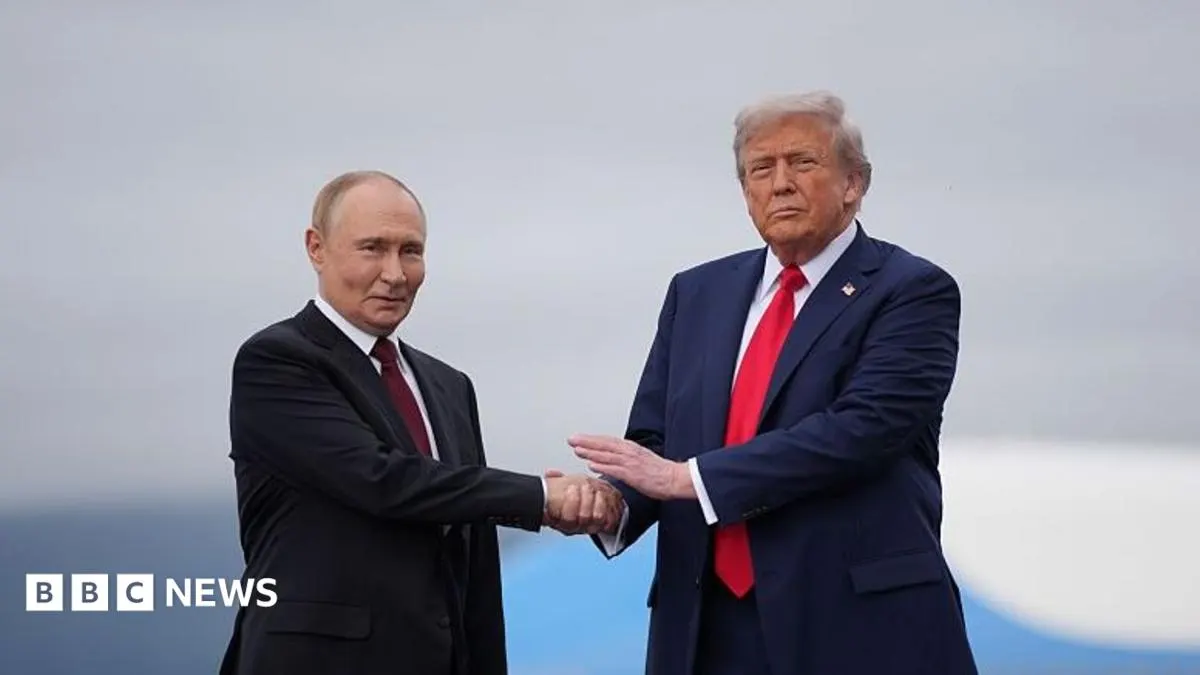
With US midterm elections weeks away and voters increasingly concerned about fuel prices, President Trump announced a major diesel deal with Russia and claimed to have brokered an energy ceasefire between Russia and Ukraine. These moves represent Trump's efforts to address energy costs—a key voter concern—before the elections take place. However, the initiatives have complicated matters, with Ukraine's President Zelensky stating he received no advance notice of the ceasefire and Russia subsequently launching fresh attacks on Ukrainian power plants.
Trump has simultaneously pressured Ukraine to halt strikes on Russian oil infrastructure, reportedly threatening to cut off arms sales and intelligence sharing if they continue. The US Treasury Department has suspended restrictions on Russian diesel sales to global markets, whilst Trump's characterisation of a sealed energy ceasefire appears premature, following his historical pattern of announcing diplomatic agreements before they are finalised. Canadian Prime Minister Mark Carney has condemned the diesel deal as undermining peace and stability.
- Trump announced Russian diesel deal weeks before midterm elections
- Ukraine received no advance notice of claimed energy ceasefire
- Russia launched attacks after ceasefire announcement, contradicting Trump's claims
New here? Start with this
Donald Trump, the US President, has announced major energy deals involving Russia and Ukraine as fuel prices remain a significant concern for American voters weeks before midterm elections. He has proposed a diesel agreement with Russia and claimed to have brokered an energy ceasefire between Russia and Ukraine, framed as efforts to lower domestic energy costs.
Russia and Ukraine have been in conflict for years, with energy supply and infrastructure becoming a central strategic issue between them. Energy disruptions from their conflict have had global consequences, affecting international fuel prices including those paid by American consumers.
American voters are concerned about fuel prices heading into the midterm elections, which explains why Trump is prioritising energy negotiations. The United States has close ties with Ukraine but a more complex relationship with Russia, meaning any American involvement in talks between them carries considerable diplomatic significance.
Both sides, in good faith
The strongest fair case each way — we don't pick a winner.
The case for
American energy costs directly affect household budgets and are a legitimate policy priority, particularly as elections approach. Attempting to negotiate energy agreements with Russia whilst pursuing a ceasefire represents a pragmatic strategy to simultaneously lower fuel costs and reduce violence, even if it requires difficult compromises from all parties including Ukraine, whose own interest in stable energy supplies and ending the conflict should also be considered.
The case against
This strategy undermines Ukraine's sovereignty by negotiating ceasefire terms affecting its security without its advance consent and pressures it to abandon defensive capabilities, whilst Russia has already violated the supposed ceasefire. The approach appears to benefit Russian interests through normalised oil sales and reduced military pressure rather than achieving peace or lower energy costs, and the swift failure of these arrangements demonstrates the strategy is counterproductive—delivering neither the promised economic benefits nor durable peace whilst damaging American credibility with crucial allies.