Trump turns to Russian diesel as fuel costs threaten Republican midterm prospects
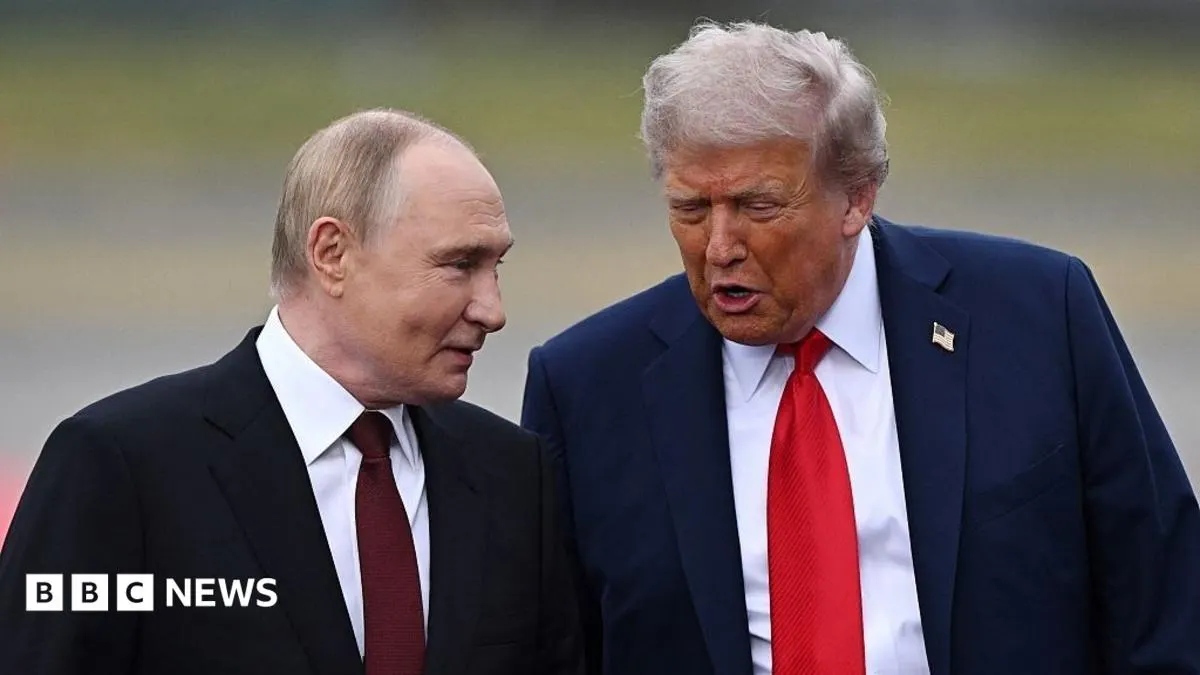
Donald Trump says Russia will supply hundreds of thousands of tons of diesel fuel to the US and global markets, a sharp reversal from his recent support for sanctions on countries importing Russian energy. The move comes as high fuel costs linked to the Iran war weigh on his public standing and threaten Republican prospects in the November midterm elections.
The deal’s terms and timing are unclear, and the promised supply may make little immediate difference: the US consumes about 3.6 million barrels of diesel a day, while 300,000 tons of Russian fuel would equal roughly half a day’s use. Ukrainian President Volodymyr Zelensky criticised the deal as a “gift” to Putin, warning that Russian oil sales could help finance the war; meanwhile, early voting has begun and prices remain high.
- Trump says Russia will supply diesel to US and global markets.
- The deal reverses his recent support for sanctions on Russian energy buyers.
- Unclear timing and scale may limit any near-term effect on US fuel prices.
New here? Start with this
High fuel costs in the United States have become a serious political issue as voters approach November's midterm elections, which will determine control of Congress. Diesel prices have risen significantly due to an ongoing conflict with Iran, and lower fuel costs would help Republican prospects in these elections.
Donald Trump, the former president and prominent Republican figure, has proposed solving the fuel crisis by importing large quantities of diesel from Russia. This represents a marked departure from his earlier position of supporting strict sanctions designed to restrict Russia's access to international markets.
The proposal has attracted criticism from Ukraine, whose President Zelensky has cautioned that increased Russian oil sales could provide revenue to finance military operations. The situation reflects tension between addressing domestic economic concerns and limiting support to countries engaged in conflict.
Both sides, in good faith
The strongest fair case each way — we don't pick a winner.
The case for
High fuel prices directly damage ordinary American households and business operations, reducing purchasing power and economic activity; from this perspective, refusing available energy supplies that could moderate prices amounts to making consumers suffer for symbolic consistency rather than pragmatic policy. Energy markets function on supply and demand rather than ideology, and a modest quantity of Russian diesel represents a market opportunity that could ease inflationary pressure at a crucial moment for the economy. The actual financial contribution to Russian military operations from this quantity would be minimal relative to broader geopolitical considerations, and voters reasonably expect their government to prioritise their material wellbeing over maintaining absolute consistency on sanctions.
The case against
Sanctions regimes depend on collective resolve; allowing major energy purchases from an aggressor state substantially undermines the strategic purpose of constraining Russia's resources and capability to wage war. Revenue from energy sales directly finances Russian military operations in Ukraine, so easing restrictions materially enables continued conflict and suffering that sanctions were designed to prevent. The timing reveals a troubling subordination of foreign policy to electoral calculation, weakening both the integrity of democratic decision-making and America's credibility with allies like Ukraine who depend on consistent commitment. Accepting this logic—that short-term domestic political advantage justifies abandoning principled positions—establishes a precedent that corrodes effective long-term strategy and the trust necessary for durable alliances.
Americas Art Culture Elections Europe Government Politics World
Read the full article at the source →
Originally published by BBC World as “Analysis: Trump’s shock Russia deal highlights mounting pressure to curb fuel prices”.