World news and discussion on TalkFuse.
ANC fights to keep control of South Africa’s key cities after election setback
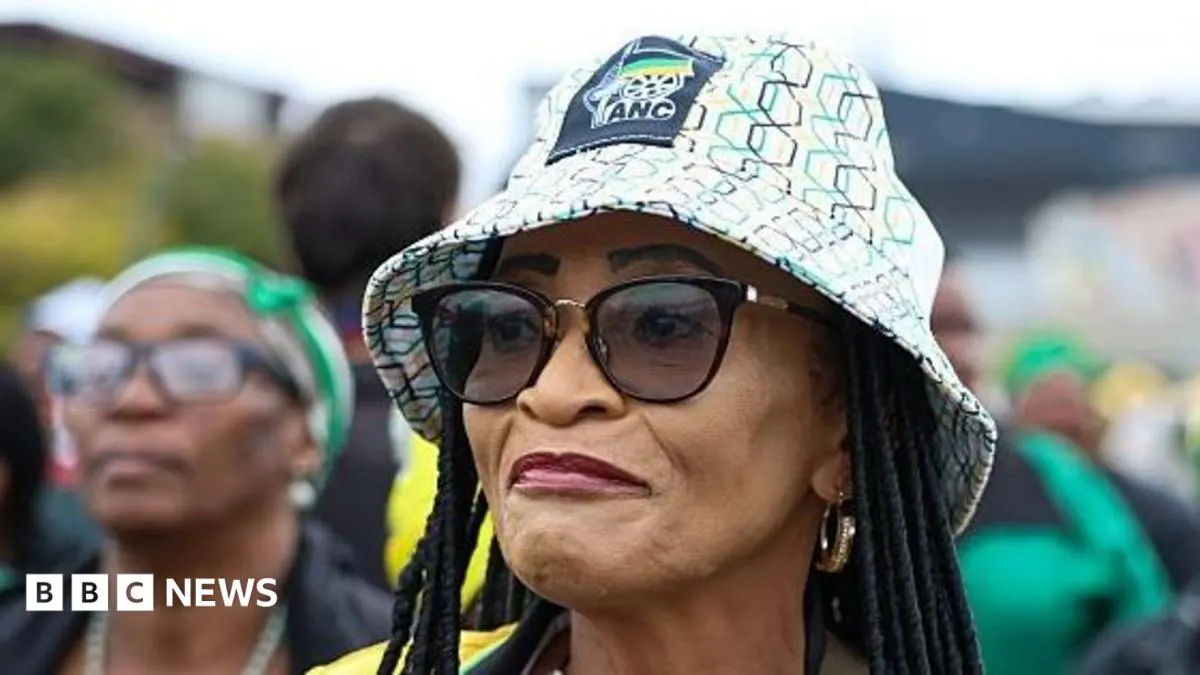
South Africa’s African National Congress (ANC) is negotiating to retain influence in local government after a sharp fall in support in this month’s elections. Although it won more votes than any other party nationally, it lost ground across provinces and cities, leaving it dependent on coalition agreements to govern many councils.
The ANC received 31% of the national vote, down from 46% in 2021, and won a provincial majority only in Limpopo, compared with six provinces previously. The Democratic Alliance (DA) led in Johannesburg, Pretoria and Ekurhuleni, while the uMkhonto weSizwe (MK) Party topped the vote in KwaZulu-Natal with 34%; only the DA secured an outright majority in a city, Cape Town. Parties have until 27 November to form local governments, and the ANC is reportedly courting smaller parties such as ActionSA rather than partnering with the DA, despite the parties’ national coalition.
In short
- ANC support fell to 31%, its weakest local election result.
- The DA led in Johannesburg, Pretoria and Ekurhuleni.
- Coalition talks must conclude by 27 November.
Steelman: both sides, in good faith
The strongest fair case each way — we don't pick a winner.
The case for
The ANC can argue that it remains the country’s largest party and has a mandate to seek coalitions that let it govern where it has the strongest support. Working with smaller parties could produce agreements better suited to local needs, while continuity may help councils maintain services and deliver projects.
The case against
Opponents can argue that the sharp loss in support is a clear signal that voters want a change in how cities are governed, and that coalition deals should reflect this shift rather than preserve ANC influence. Where the DA or other parties led, they have a strong case to form administrations and be held accountable for their own policies and performance.
Explained simply
The African National Congress (ANC) led South Africa’s government for decades after the end of apartheid, the system of racial segregation that ended in 1994. Local councils run services such as water, rubbish collection and public transport, so control of cities affects residents’ daily lives.
The Democratic Alliance (DA) is the ANC’s main rival in several cities, while the uMkhonto weSizwe (MK) Party is a newer party that drew strong support in KwaZulu-Natal. When no party wins enough seats to govern alone, it must agree with other parties on a coalition, which can shape who leads the council and how it operates.
The election results mean the ANC has less support across the country than before and must negotiate with smaller parties to keep a role in many councils. The outcome matters because it will determine how local governments are formed and who is responsible for delivering city services.
Africa Elections Politics World