Science news and discussion on TalkFuse.
Ancient discovery from time of Jesus emerges near Jerusalem’s Temple Mount
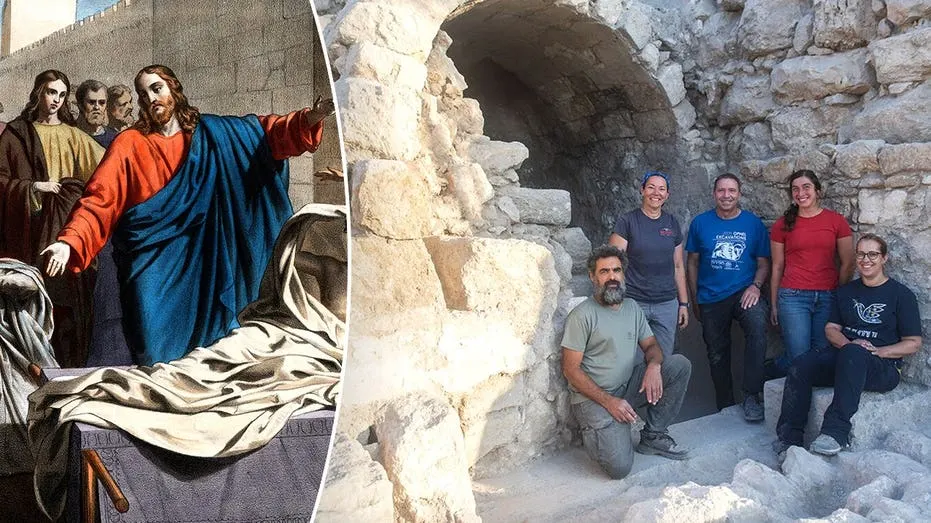
Archaeologists from the Hebrew University of Jerusalem have uncovered a well-preserved ritual bathing complex in the Ophel, just south of the Temple Mount. Dating to the early first century AD, it likely served Jewish pilgrims seeking purification before visiting the Second Temple, and offers evidence of practices that helped shape Christian baptism.
The complex includes three large ritual baths, a plastered pool, a paved plaza and an extensive water system. One bath stands nearly 14 feet tall and retains its vaulted ceiling and water shaft, while coins from the First Jewish Revolt indicate the site was in use around Jerusalem’s destruction by Roman forces in 70 AD. An older purification facility beneath it suggests ritual bathing took place there from at least the first century BC; there is no evidence that Jesus visited the site.
In short
- A ritual bathing complex has been found near Jerusalem’s Temple Mount.
- The early first-century site likely served Jewish pilgrims.
- Its practices offer context for the origins of Christian baptism.
Explained simply
The Temple Mount was the site of the Second Temple, the centre of Jewish worship in Jerusalem until Roman forces destroyed it in 70 AD. The Ophel is the area just south of the mount, where people lived and travelled to reach the temple.
Jewish ritual baths, known as mikva’ot, were used for purification before religious activities. Pilgrims visiting the temple could use them as part of preparing for worship; similar practices provide context for the development of Christian baptism.
The baths were part of a larger complex with pools, paving and water channels. Coins and an older bathing facility help researchers understand when the site was used, while the remains do not show that Jesus visited it.