Culture news and discussion on TalkFuse.
Ancient Meteorite Found in the Sahara Holds Secrets About Mars’ Watery Past
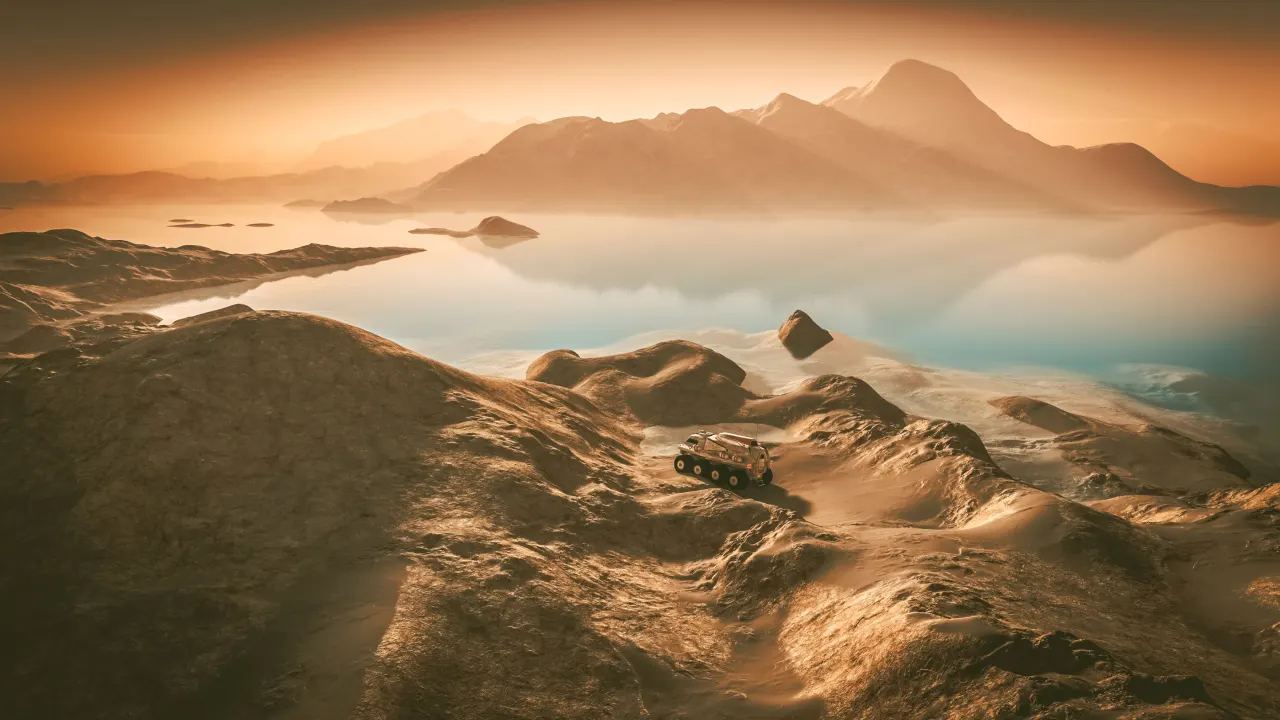
Studies of the ancient Martian meteorite Teghaza 001 have revealed chemical traces of water interacting with rock in Mars’ early crust. The findings matter because they offer evidence about the planet’s watery past and may help scientists understand how it changed from a world with liquid water to today’s cold, dry environment.
Recovered in the Sahara, the meteorite formed about 500 million years after the solar system began. Tiny apatite crystals preserve hydrogen signatures from both Mars’ interior and its ancient hydrosphere, pointing to an early exchange between deep magma and surface water. Researchers say the rock may also retain clues about the Martian atmosphere as the planet was losing water.
In short
- Teghaza 001 preserves signs of water interacting with Mars’ crust.
- The meteorite formed early in the planet’s history.
- Its chemistry may shed light on how Mars lost water.
Explained simply
Mars is a rocky planet that once had conditions very different from its cold, dry surface today. Scientists study rocks from Mars to learn when liquid water was present and how the planet changed over time.
Teghaza 001 is a piece of Martian rock that fell to Earth and was found in the Sahara. It formed early in Mars’ history, and small crystals within it can preserve traces of the water and gases the rock encountered.
By comparing those traces with other evidence, researchers can investigate how water moved between Mars’ interior, surface and atmosphere. This helps build a clearer picture of how the planet lost much of its water.
Art Culture Environment Science Space Technology