Ancient Roman treasure unearthed at military base, two coins aren’t what they seem
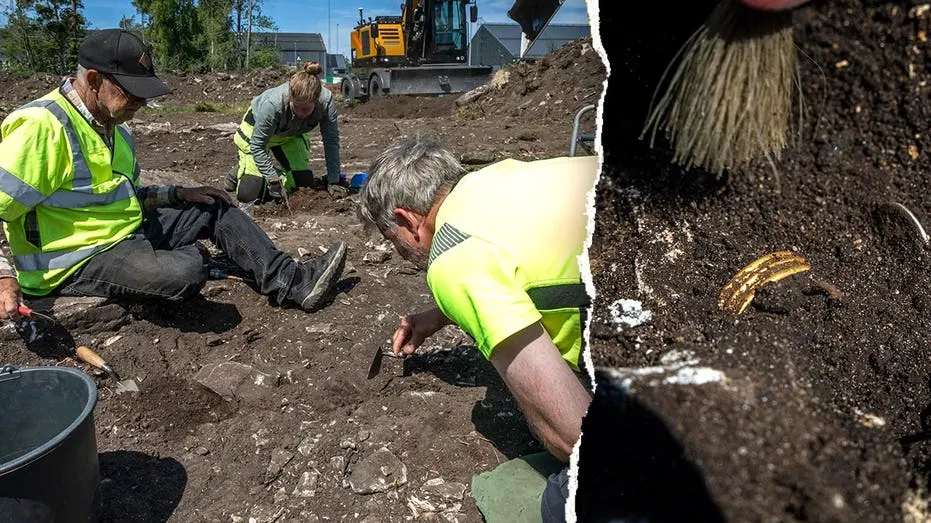
Archaeologists found 45 Roman silver coins and a gold ring during excavations ahead of an expansion at Sweden’s Gotland Regiment military base. The hoard matters because it offers evidence of trade and settlement on Gotland long after the coins were minted, and two of the coins appear to be ancient counterfeits.
The coins were made in the second century AD for five emperors and four empresses, and may have reached Gotland in the fourth century before being buried around 450. Elsewhere at the site, archaeologists found nine graves thought to be about 2,000 years old, along with remains and military fittings. Radiocarbon dating suggests the settlement was active from the fourth to sixth centuries and may have been abandoned around 540.
In short
- Archaeologists uncovered 45 Roman coins and a gold ring on Gotland.
- Two coins may be ancient counterfeits from present-day Ukraine.
- The settlement may have been abandoned around 540.
Explained simply
Gotland is a Swedish island in the Baltic Sea, where people lived and traded during the Roman period even though the island was outside the Roman Empire. Roman coins could travel far through trade and exchange, so their discovery can help archaeologists trace links between communities.
The hoard contains coins made under several Roman emperors and empresses, as well as a gold ring. Two coins appear to be counterfeits made in ancient times, rather than genuine Roman issues. Finds at the military base also include graves and military equipment, giving clues about how people lived and used the area over many centuries.