Business news and discussion on TalkFuse.
ANDREW GRIFFITH: Healey risks bankrupting Britain if he takes the easy option of just hiking taxes
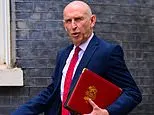
In this opinion piece, Shadow Chancellor Andrew Griffith argues that new Chancellor John Healey will worsen Britain's public finances if he opts to raise taxes further in his upcoming Budget rather than reforming welfare and reducing state spending. Griffith contends that Healey, having sat in the Cabinet under Rachel Reeves, has already signalled he will pursue a "continuity" approach, and warns that further tax rises on businesses and workers would follow a pattern he says has already damaged growth through higher employer National Insurance, business rates and energy costs.
Griffith, who became Shadow Chancellor a week before writing the piece, criticises Labour for prioritising welfare spending over defence funding, noting rising disability benefit claims and citing tensions over the Falklands with Argentina as reasons defence should take precedence. He references work done with shadow defence secretary James Cartlidge and shadow work and pensions secretary Helen Whately, presented alongside Conservative leader Kemi Badenoch, aimed at funding defence to 3% of GDP through welfare reform, while also proposing cuts to stamp duty and business rates for firms such as pubs.
In short
- Griffith warns Healey against further tax rises in his first Budget
- Piece accuses Labour of favouring welfare spending over defence funding
- Conservatives propose welfare reform to fund defence and cut business taxes
Steelman: both sides, in good faith
The strongest fair case each way — we don't pick a winner.
The case for
A tax rise may be the most reliable way to fund public services and meet commitments without making abrupt cuts that could harm vulnerable people or weaken defence and other essential functions. Griffith’s proposed welfare reforms and spending reductions may not yield enough savings quickly, and higher taxes on businesses and workers could weigh on investment, employment and growth.
The case against
Further tax rises risk adding to costs for employers and workers, discouraging investment and slowing the growth needed to improve the public finances over time. Reforming welfare and prioritising spending could instead create room to fund defence while easing pressure on businesses, though the savings and effects of those reforms would need to be credible.
Explained simply
Andrew Griffith took over as the Conservatives' Shadow Chancellor in late August 2026, and this piece marks one of his first major interventions in the role. John Healey, meanwhile, is the newly appointed Chancellor, having previously served in Rachel Reeves's Cabinet before her departure from the role. The article is written from a Conservative perspective ahead of Healey's first Budget, at a time when the government faces pressure over the state of the public finances.
At issue is the long-running debate over how the government should raise money and control spending: through higher taxes, or through cuts to welfare and other state spending. Recent years have seen increases to employer National Insurance, business rates and energy costs, which critics say have weighed on economic growth, while welfare spending, including disability benefit claims, has been rising. Defence spending has also become a live issue, partly due to renewed tensions over the Falkland Islands with Argentina, with some politicians arguing it should be prioritised over other budget areas.
Key figures beyond Griffith and Healey include Conservative leader Kemi Badenoch, shadow defence secretary James Cartlidge and shadow work and pensions secretary Helen Whately, who have jointly proposed reforming welfare to help fund defence spending up to 3% of GDP. This background matters because the Budget will shape decisions affecting businesses, workers and welfare recipients across Britain, and is being used by opposition politicians to draw dividing lines with the government's approach.
Business Entertainment Horror Markets UK World