ANDREW NEIL: Labour believes in deficit reduction on the never-never. The more Healey talked of prudence, the more we noticed his profligacy…
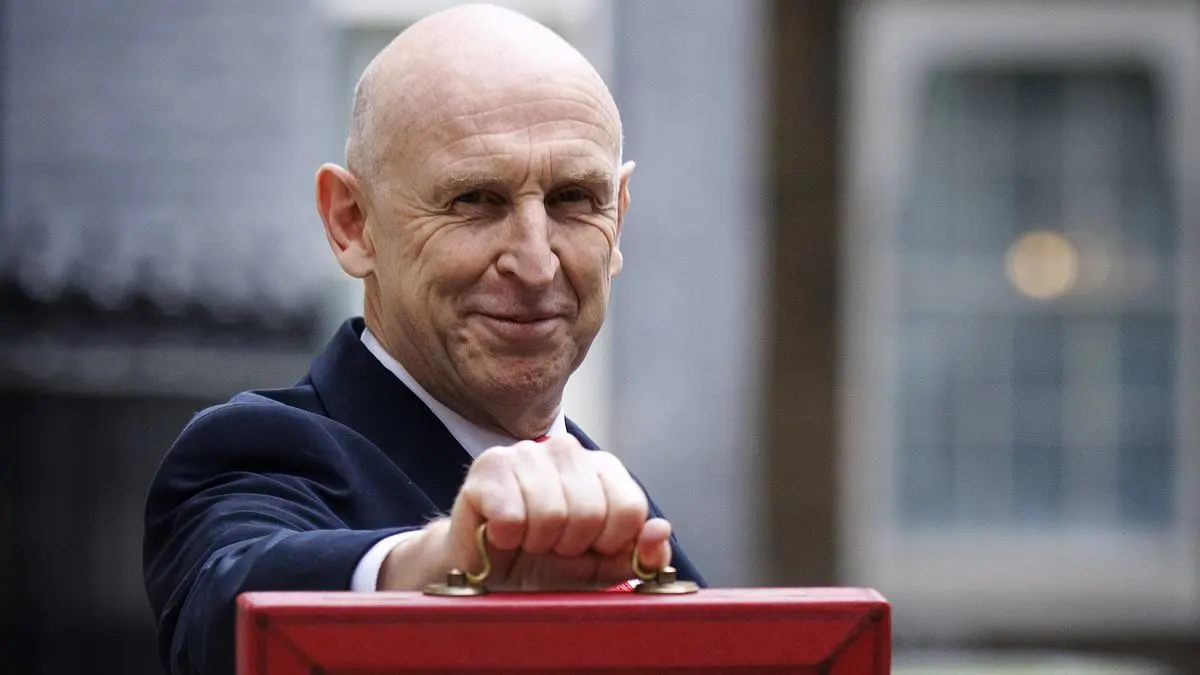
Andrew Neil argues that Chancellor John Healey’s claims of fiscal discipline sit uneasily with rising borrowing and a worsening economic outlook. He says Labour’s repeated promise to reduce the deficit relies on spending cuts in later years that are unlikely to happen.
The article says the OBR raised its growth forecast for 2026 to 1.2 per cent but cut next year’s forecast from 1.6 to 1 per cent, while inflation is expected to approach 4 per cent early next year. It puts the 2026-27 deficit forecast at £132 billion, and says Labour’s plans add £325 billion in borrowing compared with the forecasts inherited in 2024. Debt interest is forecast at about £120 billion this year and £160 billion annually by 2031; the article also cites planned real-terms spending cuts of 2.3 per cent in many areas from 2028-29.
In short
- Neil says Labour’s deficit reduction plans rely on future spending cuts.
- The 2026-27 deficit is forecast at £132 billion.
- Debt interest could reach £160 billion a year by 2031.
Steelman: both sides, in good faith
The strongest fair case each way — we don't pick a winner.
The case for
Supporters of Labour’s approach could argue that borrowing can be justified to protect public services and invest in the economy, particularly when growth is weak and immediate cuts might deepen the slowdown. They may also point out that the OBR expects some growth and that setting out later spending restraint gives the government room to support priorities now while aiming to reduce the deficit over time.
The case against
Critics could argue that the plan depends on sizeable future spending cuts that may be politically difficult to deliver, making the promised deficit reduction unreliable. With borrowing and debt interest already high and the growth outlook weaker, continued reliance on borrowing could leave less room to respond to future shocks and place greater costs on taxpayers.
Explained simply
The deficit is the gap between what the government spends and what it raises in taxes; borrowing covers the difference. The Office for Budget Responsibility (OBR), an independent public body, forecasts the economy and public finances to help assess the government’s plans.
The Chancellor sets out tax and spending plans, while the OBR estimates how they may affect borrowing and debt. Debt interest is the cost of servicing money already borrowed, leaving less available for public services or other priorities.
The debate is about whether promised future spending restraint can reduce borrowing if economic growth is weak and government costs remain high. It matters because borrowing, taxes, public services and debt interest all affect the choices facing households and future governments.
Business Economy Europe UK World