Andrew WINS High Court battle as judge rules police raids on Sandringham were unlawful
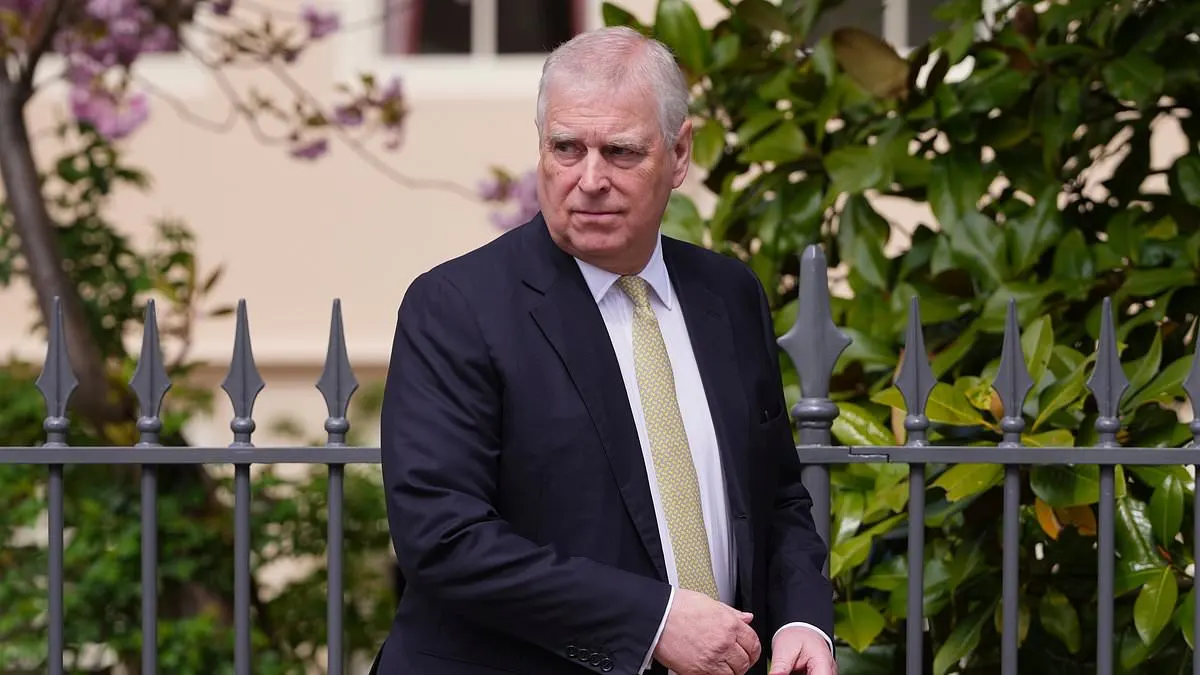
A High Court judge ruled that search warrants used by Thames Valley Police to raid Andrew Mountbatten-Windsor’s homes were unlawful, after the force conceded errors in how they were obtained. The decision raises questions about an investigation into whether he shared government information with Jeffrey Epstein while serving as the UK’s trade envoy, but the judge said it does not make the investigation itself unlawful or bring it to an end.
Andrew was arrested on his 66th birthday in February and questioned for nearly 12 hours on suspicion of misconduct in public office; police then searched Royal Lodge and Wood Farm over six days. The warrants were quashed on 22 July, with police blaming an unnamed Old Bailey judge for approving them under the wrong section of the law. Police have asked to keep the seized documents and devices, and a hearing on that request is due next year.
- The High Court quashed warrants for searches of Andrew’s homes.
- Police say the investigation remains ongoing.
- A decision on keeping seized items is due next year.
New here? Start with this
Andrew Mountbatten-Windsor is a senior member of the British royal family who previously served as the UK's special representative for trade and investment. In this official role, known as the trade envoy, he had access to sensitive government information.
Police are investigating allegations that Andrew shared confidential government information with Jeffrey Epstein, a convicted sex offender and financier. Epstein died in custody in 2019, but the investigation concerns whether Andrew's actions whilst in his official role could have compromised national security.
Andrew was arrested in February and held for questioning for nearly twelve hours on suspicion of misconduct in public office. Thames Valley Police subsequently carried out extensive searches of his homes over six days, seizing documents and electronic devices.
Both sides, in good faith
The strongest fair case each way — we don't pick a winner.
The case for
Upholding the rule of law is essential to protecting everyone's rights against state overreach, which is why procedural requirements matter even in investigations of serious misconduct. When warrants are obtained unlawfully, the proper remedy is to quash them and proceed correctly—not to ignore the procedural defect because the underlying investigation seems justified. If the state can disregard proper procedure against prominent figures, it establishes a dangerous precedent threatening ordinary citizens. The fault lies with the judge who approved the warrants under the wrong section of law; Andrew cannot be held responsible for the state's failure to follow its own rules.
The case against
Procedural technicalities should not prevent legitimate investigation of potentially serious breaches of trust and national security. The police acted reasonably and in good faith; the error was purely administrative—a judge's mislabelling of the warrant section rather than any defect in the underlying cause for investigation. The public interest in establishing whether a former trade envoy improperly shared government information surely outweighs a correctable procedural error that had nothing to do with the investigation's substance. The proper remedy is for police to reapply for warrants through the correct legal procedure and continue their investigation, achieving both procedural propriety and substantive accountability.