Andy Burnham announces new £2 bus fare cap across England
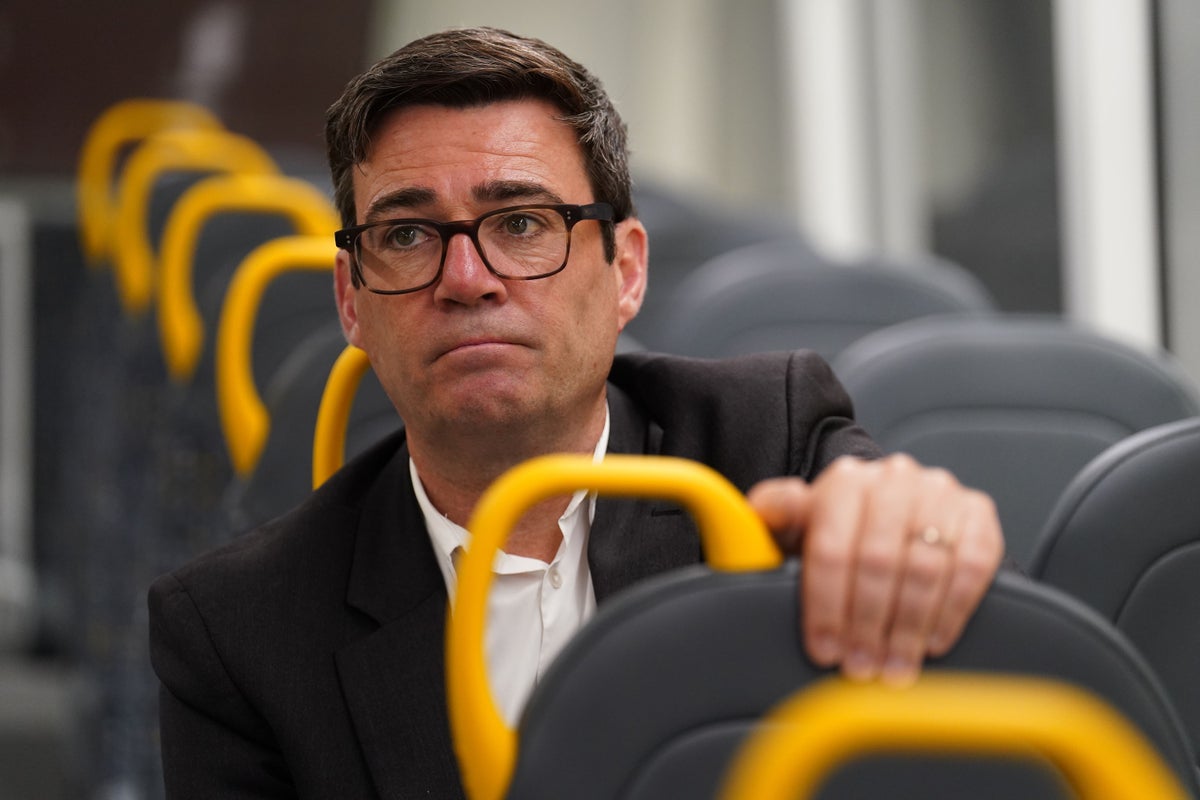
Andy Burnham has announced that most single bus fares in England will be capped at £2 from January, part of a broader package of measures aimed at easing the cost of living under the new prime minister. The move lowers the current £3 nationwide cap and reverses an increase introduced by Sir Keir Starmer and Rachel Reeves in 2024, though some areas such as London and Greater Manchester had already maintained a £2 limit locally.
The cap will run throughout 2027 and is backed by £454m of funding, with £400m coming from switching international climate finance from grants to loans and the remainder from savings in the Department for Energy Security and Net Zero budget; the total scheme cost is expected to exceed £500m. Chancellor John Healey said "millions of people" would benefit from fares cut by a third at no cost to taxpayers, while Transport Secretary Heidi Alexander said it would make journeys "easier and cheaper". The announcement follows an £850m VAT cut on electricity bills unveiled a day earlier, a policy that has sparked a funding row after former minister Darren Jones said it was unfunded, which Downing Street disputes.
In short
- Bus fares in England capped at £2 from January 2027
- Part of new PM's wider cost-of-living policy push
- Funded by £454m, partly from redirected climate finance
Steelman: both sides, in good faith
The strongest fair case each way — we don't pick a winner.
The case for
The policy addresses genuine cost-of-living pressures that many people face, making bus travel affordable and enabling access to work, education and services. By reversing the 2024 fare increase that proved unpopular and following successful £2 schemes in London and Greater Manchester, the measure demonstrates feasibility whilst supporting lower-income households who depend on public transport. Transport accessibility is essential infrastructure that warrants government investment.
The case against
Whilst addressing cost pressures, the funding mechanism raises concerns about fiscal priorities. Reallocating international climate finance from grants to loans shifts burdens to developing nations relying on climate adaptation support, potentially undermining climate commitments. With public resources constrained, the £500m-plus expenditure warrants scrutiny against other pressing needs such as NHS capacity and social care, particularly given broader questions about fiscal sustainability signalled by recent funding disputes over other measures.
Explained simply
Bus fares in England are set by a mix of national policy and local transport authorities. A nationwide cap limits what passengers pay for most single journeys, while some areas can set their own fares; London and Greater Manchester have kept a £2 limit locally.
Andy Burnham is the mayor of Greater Manchester, and national decisions on transport funding involve the government, including the Treasury and the Department for Transport. The cost of a fare cap depends on how much support is needed to cover the gap between capped fares and the money bus operators would otherwise receive.
Bus fares are one part of the cost of getting to work, education and services, particularly for people who rely on public transport. Decisions about the cap also sit within wider choices about public spending and how government measures are funded.
Americas Government Politics UK World