Culture news and discussion on TalkFuse.
Andy Burnham facing fresh questions over ‘unfunded spending’ as new PM set to unveil plan to fix social care
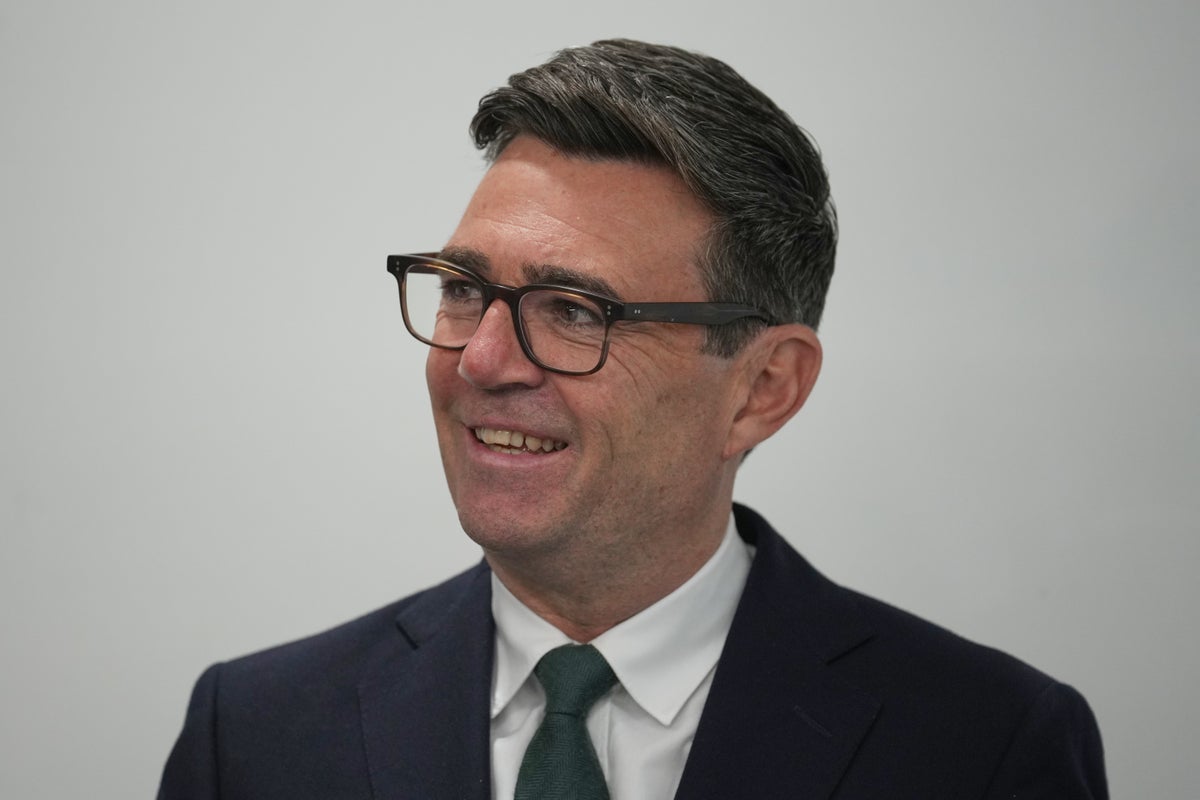
Andy Burnham is facing mounting pressure to explain how he will pay for a string of spending pledges, as it emerges he plans to tackle social care reform in his second week as prime minister. Having vowed not to leave office without fixing a crisis he says has been ignored for nearly three decades, Burnham follows a line of predecessors, including Boris Johnson, who promised similar reforms without delivering them, and his own earlier failed attempt as health secretary in 2009, when a proposed care levy was branded a "death tax" by the Conservatives.
The pressure has intensified after Burnham announced measures including cutting business rates for pubs and music venues, removing VAT from energy bills, and capping bus fares at £2, prompting Tory demands to know where the funding will come from. The Resolution Foundation estimates this week's pledges alone will cost over £2bn by 2029-30, shrinking fiscal headroom to as little as £8bn. Shadow chancellor Sir Mel Stride accused Burnham of making "unfunded promises" that add to fears of tax rises in the next Budget, while a No 10 source insisted the prime minister has "the courage" to confront long-neglected problems.
In short
- Burnham to prioritise fixing social care in his second week as PM
- Tories demand details on funding for his recent spending pledges
- Think tank warns pledges could cost £2bn and squeeze fiscal headroom
Steelman: both sides, in good faith
The strongest fair case each way — we don't pick a winner.
The case for
Burnham's defenders argue that social care reform represents a once-in-a-generation opportunity to address a crisis deliberately neglected for decades, affecting millions of vulnerable people and their families. They contend that targeted investments in these areas—combined with economic growth, public sector efficiency and progressive taxation—represent responsible governance that prioritises people's genuine needs, particularly when previous governments' inaction has only worsened the crises.
The case against
Critics counter that pledges costing over £2bn without transparent funding mechanisms amount to unfunded promises that breach basic principles of fiscal responsibility and democratic honesty. They point to Burnham's own failed care reform attempt as health secretary and question whether vague assurances about courage and efficiency can substitute for detailed funding plans that voters deserve to evaluate before casting their ballots.
Explained simply
Andy Burnham is the current prime minister. He has announced several spending pledges, including on business rates for certain venues, energy bills, and bus fares. He has also said he plans to tackle social care reform.
Social care in the UK has not received adequate government attention for many years despite being identified as needing change. Previous prime ministers, including Boris Johnson, have promised to fix the social care system but these changes were not implemented. Burnham himself proposed a solution when he was health secretary in 2009, but his proposal was rejected.
When governments announce new spending, questions typically arise about how they will pay for it. Questions have been raised about the funding sources for Burnham's spending pledges. This matters because the way government spending is funded affects taxation and other spending priorities.
Art Business Culture Government Markets Politics