Entertainment news and discussion on TalkFuse.
Andy Burnham fails to commit to Healey’s 3 per cent defence spending demand
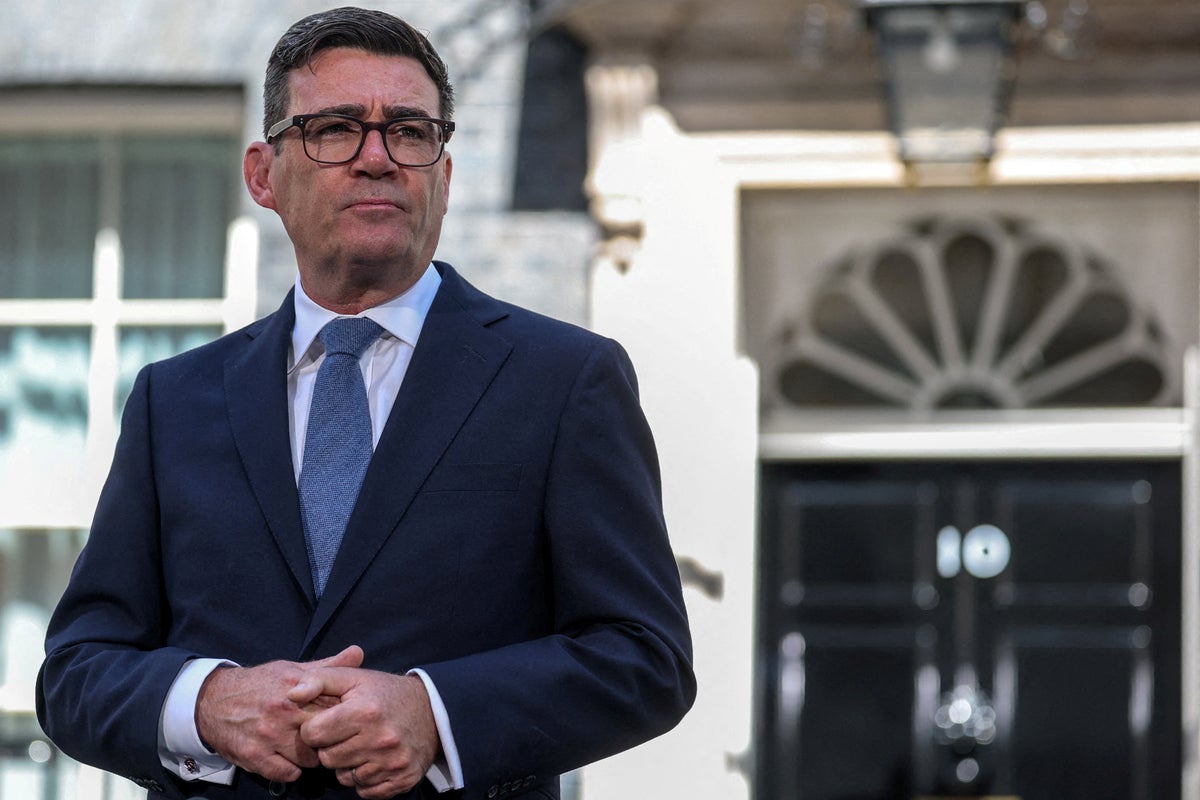
New Prime Minister Andy Burnham has not committed to former defence secretary John Healey's call for defence spending to rise to 3 per cent of GDP by 2030, leaving uncertainty over how quickly funding for the armed forces will increase. Healey resigned as defence secretary in June, arguing the existing defence investment plan left the military underfunded and criticising Sir Keir Starmer for failing to set a clear timetable for meeting Nato spending obligations; he has since been appointed chancellor under Burnham.
Defence spending had been due to reach 2.7 per cent of GDP by 2030, a figure Healey wanted raised to 3 per cent, alongside possible use of "defence bonds" to help fund the increase, though Burnham's government is not understood to be pursuing that option. A Downing Street spokesperson said only that commitments to international partners would be honoured, with more detail to follow, while new defence secretary Wes Streeting suggested spending could rise faster but also stopped short of endorsing the 3 per cent target, instead pointing to Britain's existing pledge of 3.5 per cent of GDP by 2035 and declining to rule out tax rises to help pay for it.
In short
- Burnham won't confirm Healey's 3% defence spending target by 2030
- Healey, now chancellor, quit as defence secretary over funding concerns
- New defence secretary Streeting hints spending may rise, avoids specifics
Steelman: both sides, in good faith
The strongest fair case each way — we don't pick a winner.
The case for
Advocates for 3% by 2030 argue that mounting geopolitical threats from Russia and China demand faster military modernisation, and that Britain's credibility with NATO allies requires meeting higher defence commitments sooner rather than later. They contend the armed forces are underfunded relative to these challenges and that postponing the increase to 2035 creates unacceptable capability gaps during a critical period.
The case against
Those defending the current approach argue that the existing commitment to 3.5% by 2035 represents substantial rearmament meeting NATO's expectations, whilst allowing government to balance defence with other critical needs such as the NHS and education. They maintain a measured pace of increase permits better planning and cost control, and that strategic credibility is preserved through the 2035 commitment whilst maintaining fiscal flexibility.
Explained simply
Gross domestic product, or GDP, is the value of goods and services produced in the UK; governments use it to compare public spending with the size of the economy. Nato members have agreed to spend more on defence, and the UK has set targets for increasing the share of national income devoted to it.
John Healey, now chancellor, argued as defence secretary that the armed forces needed more funding and a clearer timetable for meeting those commitments. Andy Burnham is prime minister, and Wes Streeting has taken over as defence secretary; the government’s spending plans will affect how quickly the military receives additional resources and how they are paid for.
Celebrity Entertainment Government Politics UK World