Andy Burnham implores cabinet to examine ‘all possible ways’ to tackle cost of living crisis
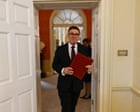
Andy Burnham used his first cabinet meeting as prime minister to urge ministers to explore "all possible ways" of easing the cost of living crisis, declaring his would be a "cost of living government". The intervention matters because it sets the tone and priorities for his premiership from day one, but it has immediately raised questions about affordability, given commitments to cut VAT on electricity bills, boost defence spending, and accelerate a national care service, all while sticking to existing borrowing rules.
On Tuesday morning Burnham announced VAT would be scrapped on electricity bills from 1 October, cutting the price cap by £45 at a cost of £850m next year, a move he suggested would be partly funded by axing the government's digital ID scheme. However, Darren Jones, the minister previously responsible for that scheme, said on social media that it had been unfunded, meaning the saving does not exist, and that the budget would need to set out how new policies would be paid for. Downing Street confirmed the tax cut was funded only for the coming financial year, with future costs to be found from existing departmental budgets, implying cuts elsewhere. The announcement came alongside a Whitehall shake-up creating an Office for the Prime Minister and the Cabinet and a new "No 10 North" growth unit under Louise Haigh, amid reports of tension among Starmer loyalists over a reshuffle that removed or demoted more than half the previous cabinet.
In short
- Burnham tells cabinet to find "all possible ways" to cut cost of living
- VAT scrapped on electricity bills from 1 October, cutting £45 off price cap
- Funding plan questioned after claimed digital ID savings turn out unfunded
Steelman: both sides, in good faith
The strongest fair case each way — we don't pick a winner.
The case for
The cost of living crisis demands urgent government action to ease hardship for struggling households. Providing immediate relief through measures like VAT cuts on energy bills prioritises the most vulnerable and reflects government's core responsibility. Efficiency savings and reallocation of spending can fund these commitments; a government focused on helping its citizens need not be paralysed by narrow fiscal orthodoxy when genuine suffering requires intervention.
The case against
Government cannot credibly announce major spending commitments—VAT cuts, defence increases, and expanded services—whilst claiming to respect fiscal rules. Without honest, multi-year funding plans and clear departmental savings, these promises ring hollow and risk either disappointing people when they don't materialise or causing damaging cuts to essential services. Sustainable governance requires matching commitments to realistic funding, not the other way around.
Explained simply
Andy Burnham has become prime minister of the United Kingdom. In his first days in office, he has signalled that tackling the cost of living crisis will be a central priority for his government.
The cost of living crisis refers to the sharp rise in prices for energy, food and other essentials that has affected households across the UK since 2022. Whilst some prices have since stabilised, many families continue to struggle with their bills and everyday expenses, with the burden falling particularly heavily on lower-income households.
This matters because the cost of living is a significant concern for British voters, and a prime minister's priorities in their first days set the tone for their entire government. By emphasising this issue, Burnham is signalling how his government intends to approach major challenges facing the country.