Culture news and discussion on TalkFuse.
Andy Burnham latest: Streeting backs Trump on defence spending as PM reiterates Nato funding pledge
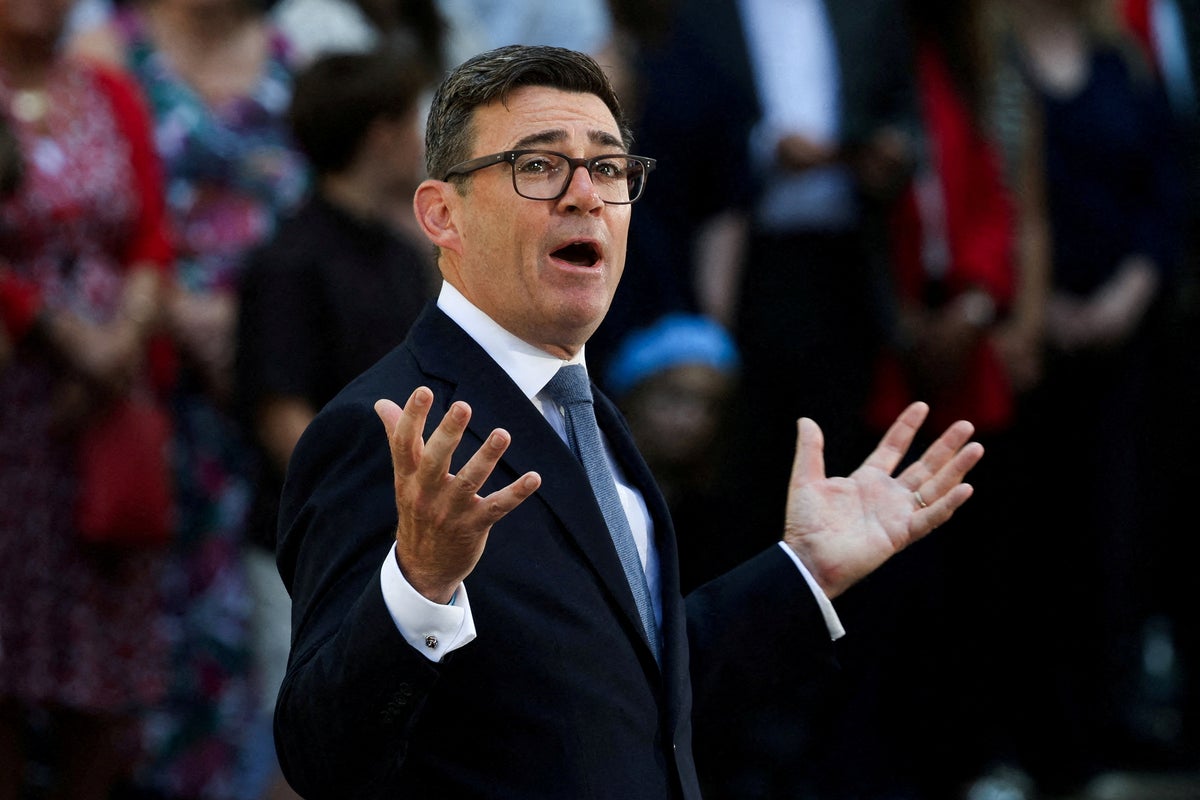
Andy Burnham's government has reiterated its commitment to Nato defence spending pledges, with health secretary Wes Streeting explicitly backing Donald Trump's demands for European allies to shoulder more of the defence burden. Burnham said he and chancellor John Healey would honour Nato commitments, understood to include a target of 3.5 per cent of GDP on defence, as pressure grows from Washington for European nations to increase spending significantly by 2035.
Trump has repeatedly criticised Nato allies and called for defence spending to reach 5 per cent of GDP within the decade. Streeting, in his first speech as defence secretary, said Trump was "right" to demand Europe carry a greater share of its own defence costs. Elsewhere, Burnham faced questions over whether he had U-turned on raising the personal tax allowance from £12,570, insisting no firm commitment had been made and that any decision would wait until the Budget, while the Green Party separately urged more investment in bus services rather than just fare cuts.
In short
- Streeting backs Trump's call for Europe to spend more on defence.
- Burnham reaffirms UK's Nato spending commitments alongside chancellor Healey.
- Burnham denies U-turn on personal tax allowance, defers decision to Budget.
Steelman: both sides, in good faith
The strongest fair case each way — we don't pick a winner.
The case for
Europe has historically relied excessively on American military protection whilst underfunding its own defence, creating an unfair burden on American taxpayers. Russia's invasion of Ukraine demonstrates genuine security threats that warrant substantial investment, and wealthier European nations should fund their own defence rather than depend indefinitely on Washington. Higher defence spending strengthens NATO's collective capability, ensures strategic autonomy, and represents a pragmatic recognition that security requires meaningful financial commitment from all allies facing shared threats.
The case against
NATO's combined defence spending already vastly exceeds Russia's military capability, making the additional security benefit of 5 per cent GDP spending questionable and potentially destabilizing. Such levels would necessitate severe reductions in healthcare, education, and social support—priorities that directly affect national wellbeing and long-term resilience. Trump's demands may reflect American political interests in arms sales and burden-shifting rather than objective security analysis, and pursuing an open-ended spending escalation could trigger dangerous military dynamics whilst diverting resources from other critical challenges facing Europe.
Explained simply
Nato is a military alliance in which member countries agree to help defend one another. The United States has long spent more on defence than most European members, and Donald Trump has argued that those allies should contribute more.
Nato countries have agreed a guideline of spending at least 2 per cent of their economic output on defence, while proposals for higher targets have prompted debate about how quickly spending should rise. The issue matters because members are weighing the cost of stronger armed forces against other public spending, as well as how responsibility for the alliance’s security should be shared.
Art Culture Geopolitics Politics