Politics news and discussion on TalkFuse.
Andy Burnham paves way for new welfare system to end Neets crisis
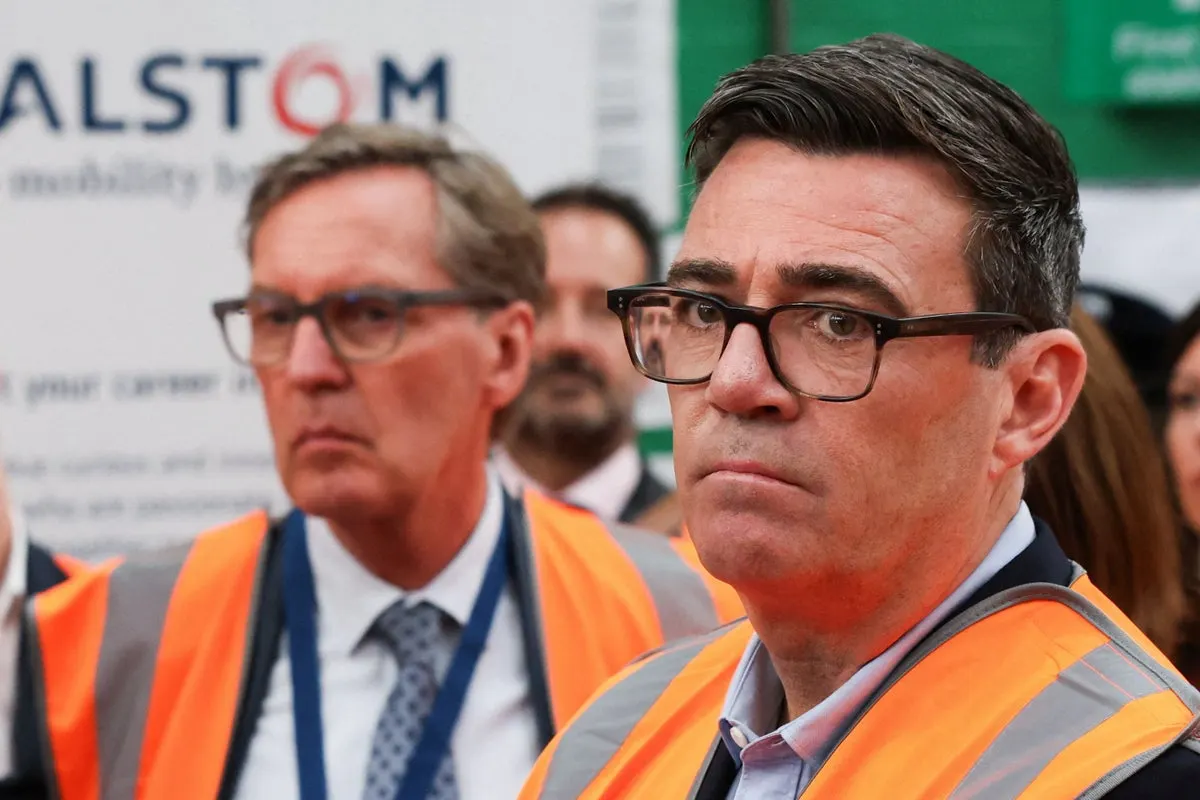
Alan Milburn’s report proposes a major overhaul of welfare to address youth unemployment and the number of under-25s not in education, employment or training. The government has endorsed the blueprint, and Andy Burnham has signalled support for its approach, putting pressure on ministers to adopt the proposals.
The plan would invest £5.8bn by 2036-37 in a youth opportunity service and incentives for employers, aiming to help 440,000 young people into work. It forecasts £3.6bn in annual welfare savings and £2.4bn in extra tax revenue by then, but after costs the net saving would be £200m a year. The Institute for Fiscal Studies questioned how plausible some projected effects are, while charities welcomed the focus on opportunity.
In short
- Milburn proposes a new welfare system focused on youth employment.
- The plan aims to help 440,000 young people into work by 2036.
- Its projected net annual saving is £200m after a decade.
Steelman: both sides, in good faith
The strongest fair case each way — we don't pick a winner.
The case for
A dedicated youth opportunity service and employer incentives could give young people who face barriers to work more tailored support and clearer routes into jobs or training. If the projections are borne out, the investment could widen opportunity while reducing long-term welfare costs and increasing tax revenue; charities’ welcome reflects the value of acting on a persistent problem.
The case against
The plan commits substantial public money over many years, while its projected gains depend on uncertain assumptions about how many young people it will help and how much that changes employment and welfare spending. As the Institute for Fiscal Studies has questioned the plausibility of some effects, ministers could reasonably demand stronger evidence and clearer safeguards before adopting the blueprint.
Explained simply
“Neets” is a term for young people who are not in education, employment or training. The figure includes people in very different circumstances, from those looking for work to those dealing with health problems or other barriers, so the causes and possible responses vary.
Alan Milburn’s report proposes a youth opportunity service and payments to encourage employers to hire young people. It estimates that the plan could help 440,000 into work by 2036-37, with costs partly offset by lower welfare spending and higher tax revenue.
The government has endorsed the blueprint, and Greater Manchester mayor Andy Burnham has backed its general approach. The projected savings have been questioned by the Institute for Fiscal Studies, while charities have welcomed the emphasis on opportunities for young people.