Andy Burnham promised urgent action on the cost of living; the heat is now on chancellor John Healey to deliver it | Alfie Stirling
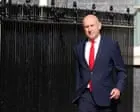
The Joseph Rowntree Foundation's Alfie Stirling argues that new chancellor John Healey faces an even harder task than his predecessor Rachel Reeves in tackling Britain's cost of living crisis, with Prime Minister Andy Burnham promising urgent action to give families "some breathing space". Healey inherits a bleak outlook for household incomes, far less preparation time, and a more complicated economic backdrop, making the political and economic stakes of getting policy right unusually high.
Household incomes normally rise by around £5,000 every five years, yet families were on course to be worse off in 2029 than in 2019 before Reeves took office, an unprecedented decade-long decline. Healey must also contend with elevated inflation and borrowing costs, worsened by supply-chain pressures from the conflict in Iran, meaning the Bank of England may raise rather than cut interest rates. Stirling urges the government to tackle inflation directly by reducing essential costs such as energy, citing the Joseph Rowntree Foundation's proposed "affordable energy guarantee" funded by closing tax gaps between investment income and earnings, alongside similar action on housing costs.
In short
- Chancellor John Healey faces a deepening UK cost of living crisis
- Household incomes falling for first time in a decade
- JRF urges energy price reform funded by taxing investment income more fairly
Steelman: both sides, in good faith
The strongest fair case each way — we don't pick a winner.
The case for
Advocates for urgent, well-funded state action argue that when families are choosing between heating and eating, government has both a moral duty and an economic interest to intervene decisively – through higher benefits, energy support or targeted tax changes – since delay compounds hardship, deepens debt among the poorest, and risks lasting damage to children's life chances that costs more to repair later than to prevent now. They contend that a wealthy economy can and should protect its most vulnerable, and that political promises of action lose all credibility, and public trust, if not backed by prompt, tangible delivery.
The case against
Those urging caution counter that a new chancellor inherits tight fiscal headroom, and that hastily expanded spending commitments – however well-intentioned – risk spooking bond markets, pushing up borrowing costs, and ultimately harming the very households they aim to help through higher mortgage rates and inflation. They argue that sound government requires resisting pressure for quick symbolic gestures in favour of carefully costed, sustainable measures, and that credibility with taxpayers and markets alike depends on demonstrating fiscal discipline rather than promising more than can prudently be delivered.
Explained simply
Britain is experiencing a prolonged squeeze on household incomes. Normally families see their incomes rise by around £5,000 every five years, but households have been getting worse off rather than better off over the past decade – an unprecedented situation.
John Healey recently became the government minister responsible for managing the economy and public finances, taking over from Rachel Reeves. He now faces the challenge of tackling the cost of living crisis affecting British families.
The situation is complicated by economic pressures the government cannot immediately resolve. Prices continue to rise, the cost of borrowing is high, and disruptions to global supply chains threaten to worsen household finances.
Business Celebrity Entertainment Government Politics