Andy Burnham refuses to commit to raising UK defence spending by 2030
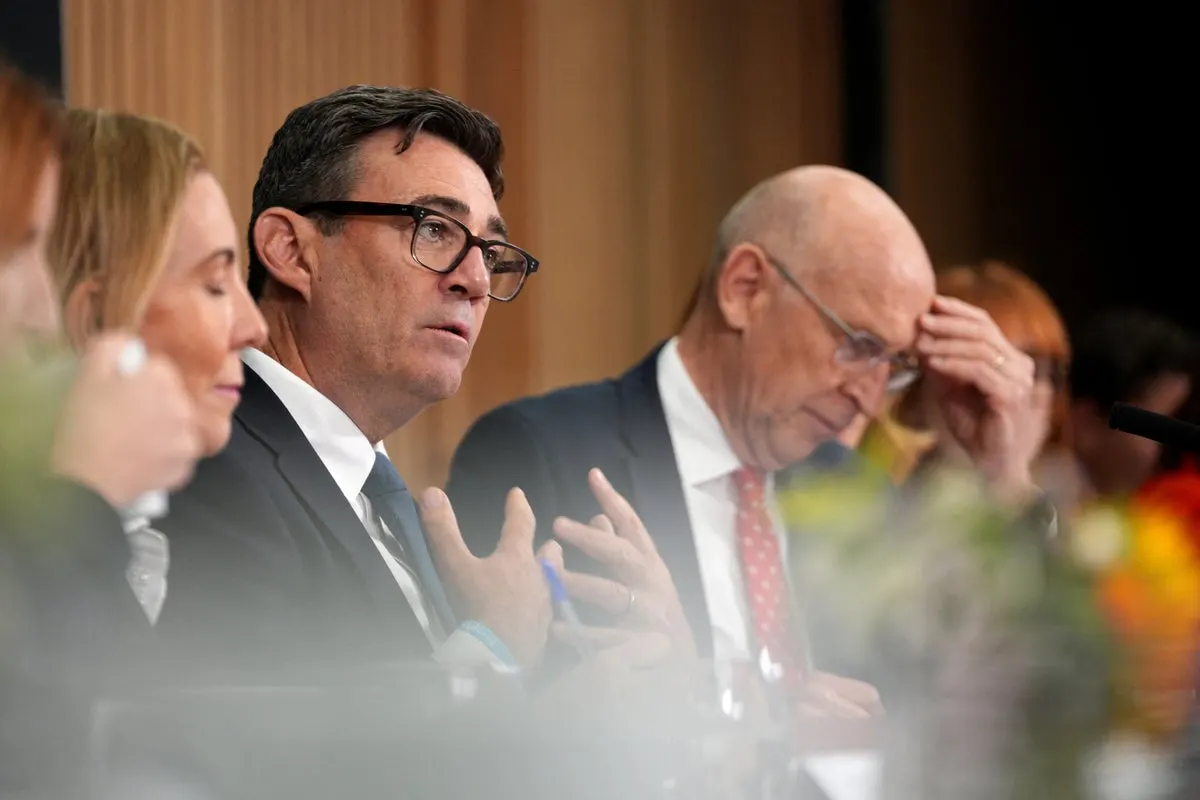
Prime Minister Andy Burnham has declined to commit to raising UK defence spending to 3 per cent of GDP by 2030, a target his predecessor Sir Keir Starmer's government had also failed to firmly guarantee. Speaking at a press conference in North London, Burnham instead pointed to the later Nato-wide target of 3.5 per cent by 2035, saying commitments beyond that related to "the Parliament after this one" but that Nato obligations would be honoured. The issue is significant because it exposes tension within government over the pace of military investment amid growing concerns about the threat from Russia.
Chancellor John Healey, who resigned as defence secretary in June, had said he was "certain" Britain should reach 3 per cent by 2030, warning that the existing defence investment plan would only deliver 2.68 per cent by then, and criticised the lack of a clear timetable. Burnham argued that reforms elsewhere, such as funding social care and tackling youth unemployment, would reduce the cost of "paying for failure" and eventually free up resources to meet defence commitments, though he offered no specific timeline for reaching 3 per cent.
In short
- Burnham won't pledge 3% defence spending by 2030, unlike Starmer's target
- Chancellor Healey previously urged 3% by 2030, calling current plans insufficient
- Burnham points to social care and youth unemployment reforms as enabling future spending
Steelman: both sides, in good faith
The strongest fair case each way — we don't pick a winner.
The case for
Burnham’s caution reflects the need to match long-term military commitments with a credible plan for paying for them, especially when public finances also face pressures in social care and employment. Focusing first on reforms that could reduce costly social problems may, he argues, create more sustainable room for defence investment while still honouring Nato obligations.
The case against
A firm 3 per cent target by 2030 would give the armed forces and defence suppliers greater certainty for planning, and signal to allies that Britain is responding urgently to a worsening security environment. If the existing investment plan reaches only 2.68 per cent, delaying a timetable risks leaving capability gaps and weakening confidence that the promised increase will happen.
Explained simply
NATO, the military alliance of which Britain is a member, has set targets for how much member countries should spend on defence. The goal is 3 per cent of each country's annual economic output (GDP) by 2030, rising to 3.5 per cent by 2035. These targets aim to ensure the alliance has sufficient military capability to meet security threats.
Prime Minister Andy Burnham has avoided committing firmly to the 3 per cent target by 2030, instead pointing to the later 3.5 per cent goal for 2035. Chancellor John Healey, who recently resigned as defence secretary, has been more explicit, saying Britain should reach 3 per cent by 2030 and warning that current spending plans will only deliver 2.68 per cent. This disagreement reflects tension within government over how quickly defence spending should rise.
The dispute matters because it affects Britain's military readiness when Russia is viewed as a growing security threat. It also reveals how the government is balancing military spending with other priorities such as social care and reducing youth unemployment. The pace at which Britain increases defence spending will determine its military capabilities in the coming years.
Celebrity Entertainment Government Politics UK World