Burnham rules out Labour partnership with Greens over Zionism motion
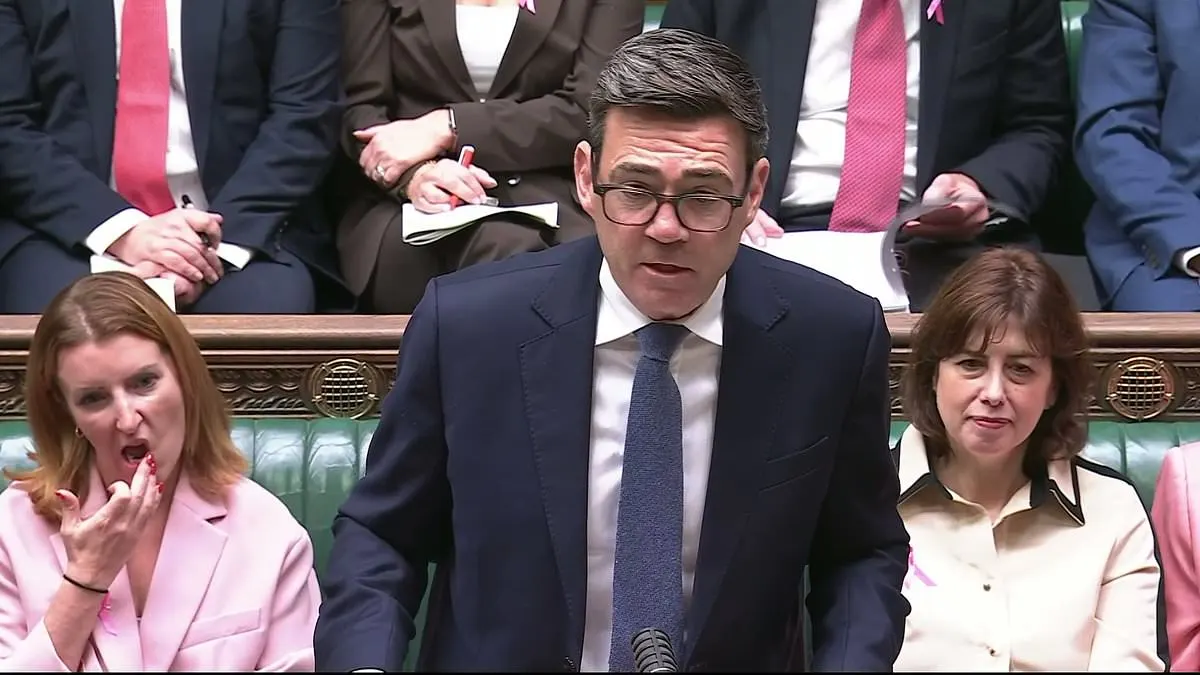
Andy Burnham said Labour could not support a partnership with the Green Party after its conference passed a motion declaring “Zionism is Racism”. He called the motion antisemitic and wrong, making clear that it would rule out cooperation while the party held that position.
The motion calls for Israel to be treated like apartheid South Africa and has caused internal dissent, with former Green leaders Caroline Lucas, Adrian Ramsay and Carla Denyer criticising it. Green leader Zack Polanski missed the vote and has indicated he wants the policy changed, but party rules may prevent reconsideration until 2028; the Greens say members can submit motions and a committee will decide whether they are in order. The Campaign Against Antisemitism and Labour MPs have also asked the equality watchdog to investigate possible discrimination against Jewish members.
- Burnham ruled out a Labour partnership with the Greens over the motion.
- Former Green leaders criticised the policy as divisive.
- Party rules may delay a policy change until 2028.
New here? Start with this
Labour and the Green Party are separate political parties in the UK, and they can work together on issues or in elections without merging. Andy Burnham is Labour’s mayor of Greater Manchester; the Greens are led by Zack Polanski.
Zionism broadly refers to support for a Jewish homeland in Israel, though people use the term in different ways. The Green Party motion links Zionism with racism and calls for Israel to be treated like apartheid-era South Africa, prompting disagreement within the party and concern among Jewish groups.
The dispute matters because it raises questions about how the Greens set and revisit policy, and about whether Jewish members are treated fairly. It also affects whether Labour and the Greens might cooperate politically.
Both sides, in good faith
The strongest fair case each way — we don't pick a winner.
The case for
Labour can reasonably rule out a partnership while the Greens retain a motion equating Zionism with racism: many Jewish people understand Zionism as support for Jewish self-determination, and the wording may therefore alienate Jewish members and supporters or obscure distinctions between criticism of Israeli policy and hostility to Jews. Refusing cooperation can signal that antisemitism concerns are taken seriously and protect trust in a prospective partnership.
The case against
The Greens can reasonably argue that the motion is a political judgement about Zionism and Israel, not a claim about Jewish people, and that strong criticism of a state or nationalist ideology should not automatically be treated as antisemitic. On that view, ruling out cooperation over a disputed party motion, especially when the leader has signalled a wish to change it and internal critics have spoken out, may foreclose dialogue before the party has had a chance to reconsider its position.
Read the full article at the source →
Originally published by Daily Mail as “Andy Burnham rules out coalition with the Green Party over ‘antisemitic’ Israel motion passed at their Brighton conference”.