Entertainment news and discussion on TalkFuse.
Andy Burnham talks a good game but where’s the plan?
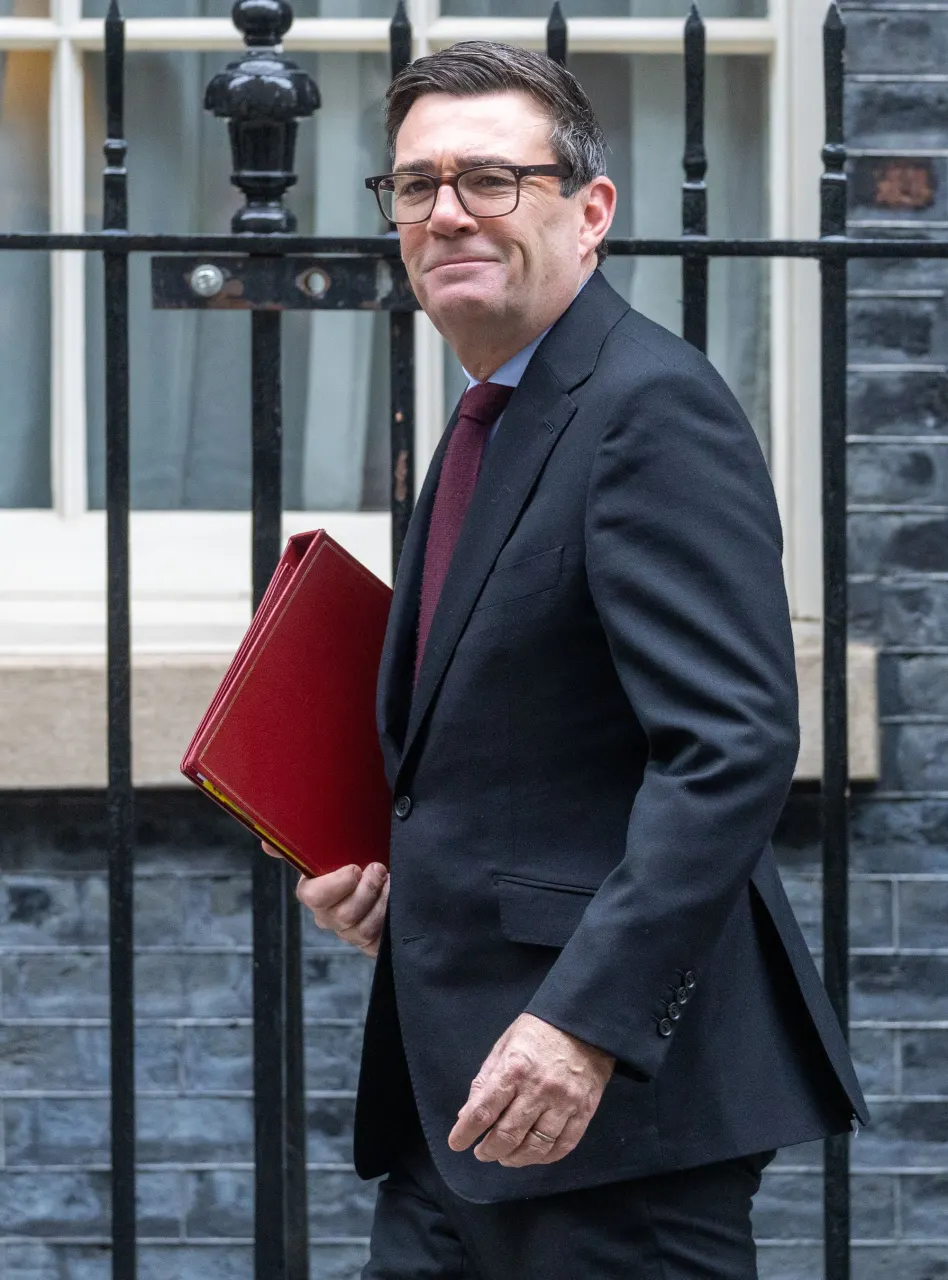
The article argues that Prime Minister Andy Burnham has made broad policy promises but has not explained how he would put them into practice. It says recent questions in Parliament highlighted uncertainty over welfare reform and Brexit, raising doubts about his readiness to lead nationally.
It cites Burnham’s comments on respecting the 2016 referendum result and his later statement that he wants Britain to rejoin the EU in his lifetime, without specifying whether he would pursue it. The article also disputes claims that exports have fallen: figures it attributes to the Brexit campaign group Stay Out and government trade statistics put exports of goods and services at £723 billion in 2019 and £913 billion in 2025, up £190 billion, or 26 per cent; it says exports remained higher after inflation.
In short
- The article says Burnham has yet to set out detailed plans.
- His positions on welfare and Brexit remain unclear.
- It reports exports rose from £723bn in 2019 to £913bn in 2025.
Steelman: both sides, in good faith
The strongest fair case each way — we don't pick a winner.
The case for
A prime minister should explain how broad promises would work in practice, especially on welfare and Brexit, where decisions affect public finances, rights and trade. Burnham’s statements about respecting the referendum while wanting eventual EU membership leave key choices unclear, and the export figures cited in the article make it reasonable to challenge claims of falling exports. Voters can fairly expect a prospective national leader to set out a coherent, credible plan.
The case against
A leader need not settle every long-term policy detail before taking office, and keeping options open can allow consultation and negotiation rather than premature commitments. Respecting the referendum result while favouring rejoining the EU at some point in the future can describe a change in public preference over time, not necessarily a contradiction. Export totals alone do not show how Brexit has affected particular sectors, trade with the EU, or what exports might otherwise have been, so they do not resolve the wider policy debate.
Explained simply
Andy Burnham is the UK prime minister, and his approach to major policy questions is under scrutiny. Welfare reform concerns the rules and support that govern benefits, while Brexit describes the UK’s departure from the European Union and the changes in its relationship with the bloc.
The debate includes how far the government might change welfare and what Britain’s future relationship with the EU should be. Burnham has referred both to respecting the 2016 referendum result and to wanting Britain to rejoin the EU in his lifetime; those positions leave open what steps, if any, he would take.
Trade figures are also part of the argument about Brexit’s effects. The article cites exports rising from £723 billion in 2019 to £913 billion in 2025, and disputes claims that exports fell; how those figures are measured and interpreted matters to assessments of the UK’s economic relationship with the EU.
Celebrity Entertainment Government Politics Trending Weird & Viral World