Andy Burnham talks up nationalisation drive blaming Thatcher and Brexit for country’s woes – as he finally faces grilling from MPs
Developed over time first seen 2 months ago
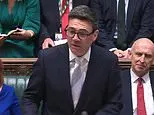
Andy Burnham used his first Commons statement as Prime Minister to blame Thatcher-era privatisation and Brexit for many of Britain's economic problems, promising a nationalisation drive that would restore "public control" over essentials such as water. The address, delivered as MPs returned from summer recess, marked his debut clash with opposition leader Kemi Badenoch, who mocked him for dwelling on decisions made four decades ago and accused him of wanting to drag the country "back to the 1970s". The statement matters because it signals the ideological direction Burnham intends to take after replacing Keir Starmer, at a time when his government faces mounting pressure over borrowing costs, benefits policy and an unpopular early prisoner release scheme.
Flanked by Chancellor John Healey and deputy Louise Haigh, Burnham argued Britain had taken "wrong turns" since the 1980s through centralised political power, privatisation and deindustrialisation, citing the water industry as a "leaking monument" to failed private ownership, with fuller plans due later in the year via a "ten-year plan for Britain". He declined to rule out tax rises at next month's Budget or commit to benefit cuts, as 30-year gilt yields hit 5.89%, their highest since 1998, amid global market jitters over Middle East-driven inflation and AI-bubble fears. Burnham also paid tribute to Starmer, who is stepping down as an MP, while commentators noted he has so far benefited from a quiet "soft launch" over summer, though his early poll bounce appears to be fading.
- Sources
- 2
- Outlets
- 1
- Left · Centre · Right
- 0 · 0 · 2
In short
- Burnham blames Thatcher and Brexit, vows to nationalise "essentials" like water
- Badenoch mocks him for "living in the past" in first Commons clash
- Tax and Budget questions loom as gilt yields hit 27-year high
How this story developed
- 2 months ago Andy Burnham used his first Commons statement as Prime Minister to blame Thatcher-era privatisation and Brexit for many of Britain's economic problems, promising a nationalisation drive that would restore "public control" over essentials such as water.
Steelman: both sides, in good faith
The strongest fair case each way — we don't pick a winner.
The case for
Supporters could argue that essential services such as water should be publicly owned when private provision has failed to deliver reliable infrastructure or adequate accountability. They may see nationalisation as part of a broader effort to address the effects of deindustrialisation and excessive centralisation, and believe long-term public planning can serve communities better than short-term commercial incentives.
The case against
Critics could argue that nationalisation risks costly disruption and may not resolve the underlying problems of investment, regulation or management. They may also see blaming Thatcher-era reforms and Brexit as looking backwards, while the lack of clarity on taxes, benefits and borrowing makes it difficult to judge how Burnham would fund his plans or protect economic stability.
Explained simply
The Conservative government led by Margaret Thatcher in the 1980s sold or restructured many state-owned industries, including water, which is now run by private companies. Brexit, Britain’s departure from the European Union, has also shaped debate about the country’s economy and trade.
Andy Burnham has replaced Keir Starmer as prime minister and leads the Labour government. His plans for greater public ownership would change the role of private companies in essential services; opposition leader Kemi Badenoch is among those challenging that approach. The debate matters because decisions about ownership, taxes and public spending affect services, household costs and the government’s finances.
Coverage · 2 sources
Bias meters
From 2 rated sources.