Andy Burnham urged to end North Sea drilling ‘dither’ as he prepares for major Scotland visit
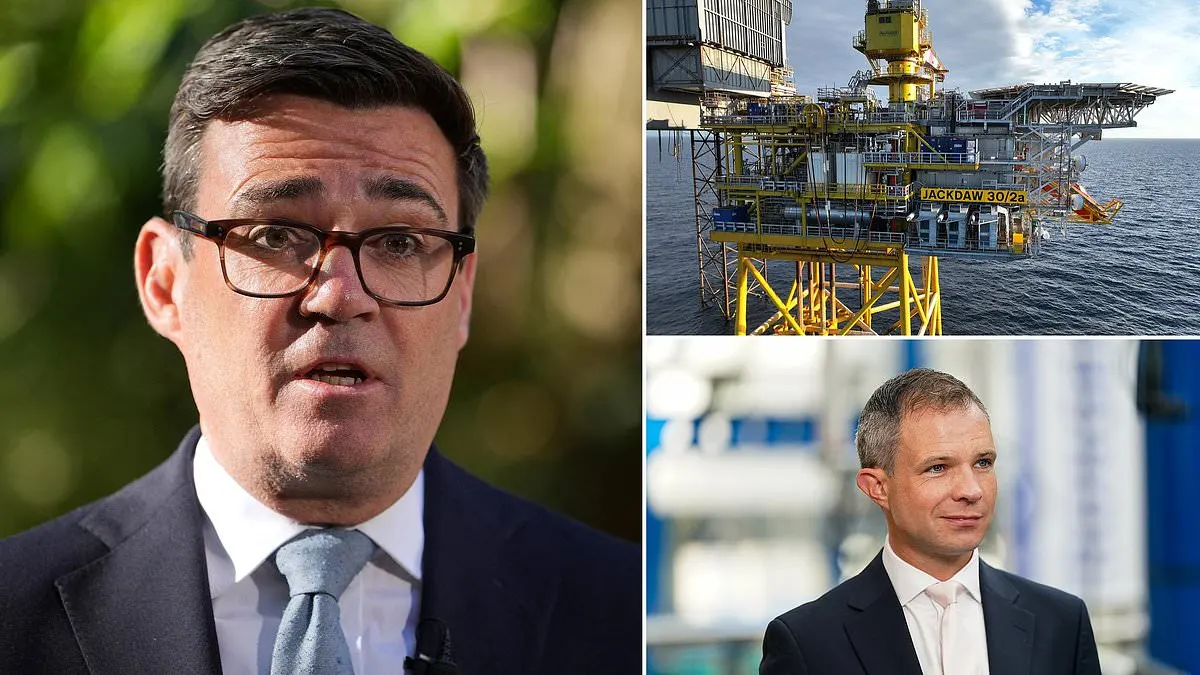
Prime Minister Andy Burnham is due to visit central Scotland on Friday, during the SNP’s conference, to promote plans for greater devolution. Opposition politicians have urged him to use the trip to approve the Jackdaw gas field and Rosebank oil development, arguing that delays are harming investment, jobs and domestic energy supply.
A report commissioned by Adura, the company behind the projects, estimates that leaving them undeveloped could cost the UK economy £10.8 billion over the next decade and support 3,300 fewer jobs each year. The article also reports claims that about 1,000 workers a month are losing jobs in the sector, while the government has yet to confirm approval for the developments.
- Burnham is due to visit central Scotland on Friday.
- Opponents want approval for the Jackdaw and Rosebank projects.
- A commissioned report estimates £10.8 billion in potential economic losses.
New here? Start with this
The North Sea has long been a source of oil and gas for the UK, supporting jobs and supplying energy. As older fields decline, companies are seeking permission to develop newer ones, including Rosebank, an oil field, and Jackdaw, a gas field.
The government decides whether these projects can go ahead, weighing their potential contribution to jobs and energy supply against environmental impacts and the UK’s climate commitments. Adura, the company behind both developments, has commissioned an estimate of their possible economic benefits; opposition politicians have argued for approval, while the government has not confirmed its decision.
Both sides, in good faith
The strongest fair case each way — we don't pick a winner.
The case for
Supporters of approving Jackdaw and Rosebank argue that developing domestic oil and gas could sustain jobs, attract investment and reduce reliance on imports while the UK still needs these fuels. They point to the commissioned report’s estimates of economic output and employment at risk, and say prolonged uncertainty makes it harder for companies and workers to plan.
The case against
Opponents can argue that approving new oil and gas fields risks locking in production and investment that may conflict with climate goals, while doing little to shield consumers from prices set in global markets. They may favour directing capital and support towards low-carbon energy and a managed transition for workers, rather than extending reliance on fossil fuels.