Andy Burnham warns of ‘big decisions’ ahead on unfair council tax system
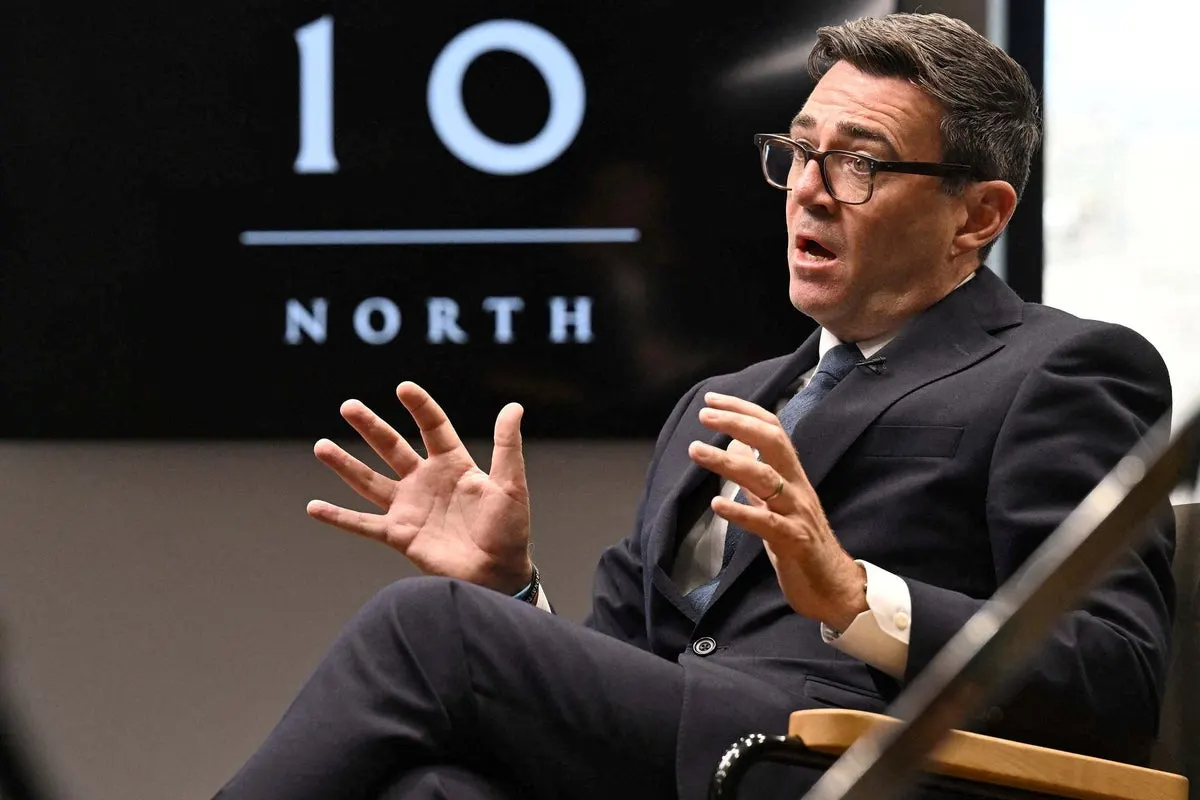
Andy Burnham, mayor of Greater Manchester, has said "big decisions" lie ahead on reforming council tax, arguing the current system is unfair because residents in his region often pay more than owners of far larger homes in London. His comments, made to the BBC's Laura Kuenssberg, come as Downing Street denies it is considering scrapping council tax and stamp duty in favour of a new property or land-value tax, though the Prime Minister acknowledged concerns about the system's imbalance and praised former Chancellor Rachel Reeves for starting reform efforts.
Burnham said he had been "persuaded" of the case for change but stressed any reform must honour Labour's election manifesto. Campaigners cite figures suggesting a flat-rate charge could save Hartlepool households around £950 a year, while Labour MP Jonathan Brash noted band A homes in Hartlepool pay nearly 2.5 times more than in Westminster. The Conservatives, via shadow housing secretary Sir James Cleverly, accused Labour of seeking new ways to "tax middle England" and said they would instead scrap stamp duty on primary residences.
In short
- Burnham says council tax system unfairly burdens Greater Manchester residents.
- No.10 denies plans to replace council tax and stamp duty with new levy.
- Tories accuse Labour of seeking fresh ways to tax homeowners.
Steelman: both sides, in good faith
The strongest fair case each way — we don't pick a winner.
The case for
The council tax system is demonstrably unfair, with residents in poorer regions paying substantially more relative to property values—Band A homes in Hartlepool pay nearly 2.5 times more than comparable properties in Westminster. Reform to reflect current valuations would address this regional inequality, potentially saving disadvantaged households hundreds of pounds annually and creating a fairer, more proportionate tax system.
The case against
Whilst fairness concerns merit consideration, major tax reform carries substantial risks of unintended consequences and could become a mechanism for increasing overall taxation on middle-income homeowners. More direct measures such as scrapping stamp duty on primary residences would provide clearer relief to families struggling with housing costs, avoiding the economic uncertainty and potential divisiveness of comprehensive tax restructuring.
Explained simply
Council tax is the property-based tax that funds local services across Britain. Properties are grouped into bands according to their value, but these bands were set in the early 1990s and have never been fully updated since, resulting in significant regional variations in what similar properties pay in tax.
Andy Burnham, the mayor of Greater Manchester, has highlighted these regional differences, arguing that residents in his area pay substantially more than owners of far larger homes in other parts of the country, particularly London. He has said he supports reforming the system but stressed any changes must stick to Labour's election commitments, suggesting serious discussions about reform are underway.
Council tax reform is significant because it affects millions of homeowners and provides substantial funding for local councils. Various proposals are being discussed, ranging from reclassifying properties within the current system to introducing entirely new forms of property taxation, and whatever approach the government chooses will affect household finances and local council budgets across the country.