Culture news and discussion on TalkFuse.
Andy Burnham will ‘push ahead with plans to move asylum seekers to middle-class areas despite higher cost to taxpayers’
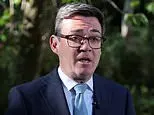
Andy Burnham is set to press ahead with plans to place more asylum seekers in wealthier, "middle-class" areas of the UK, even though this would cost taxpayers more than housing them in cheaper accommodation. The Prime Minister has said he does not want dispersal to fall only on the "poorest communities" and believes "all parts of the country need to play their part", amid reports the Home Office may raise rent caps on private contractors to allow properties in pricier postcodes to be used.
Home Office figures show 97,519 people were receiving asylum support at the end of March, including 20,885 in hotels and 72,768 in other accommodation such as shared houses. Daily Mail analysis found 17 local authorities, including the Cotswolds, the New Forest and the Scottish Highlands, currently host no taxpayer-supported asylum seekers, while areas such as Blackpool have taken a disproportionate share, according to borders minister Anna Turley. The plans have drawn anger from Conservative MPs, including Dame Harriett Baldwin and Joe Robertson, who argue the approach is costly and self-serving, while a Downing Street source said Burnham accepts it will cost more but sees fairer distribution as "a point of principle".
In short
- Burnham to push wealthier areas to house more asylum seekers despite higher costs
- Home Office may raise rent caps to enable use of pricier properties
- 17 councils currently have no taxpayer-supported asylum seekers; Tory MPs object
Steelman: both sides, in good faith
The strongest fair case each way — we don't pick a winner.
The case for
Dispersing asylum seekers to wealthier areas addresses the fairness principle that all communities should share responsibility for vulnerable people, not just the poorest. Poorer areas like Blackpool currently take a disproportionate share whilst wealthy areas host none; the Government sees higher costs as justified to ensure equitable distribution and access to better support infrastructure.
The case against
In constrained budgets, spending more per person housed reduces the total number who can be helped. If cheaper areas adequately serve asylum seekers, directing additional funds to expensive properties represents inefficient use of taxpayer money that could instead support more vulnerable people overall.
Explained simply
People seeking asylum in the UK can receive taxpayer-funded housing while the Home Office considers their claims. They may be placed in hotels or other accommodation, including shared houses, in different parts of the country.
The Home Office arranges this support, while local authorities host people in their areas. The number housed varies: some areas have none, while others have taken a larger share. Ministers have argued that responsibility should be spread across the country rather than concentrated in poorer communities.
The debate involves the cost of accommodation and how it is distributed. Rents are higher in some areas, so placing people there can increase public spending; supporters of wider distribution say the cost must be weighed against sharing responsibility more evenly.
Art Culture Government Politics World