Andy Burnham’s cabinet reshuffle: The winners and losers
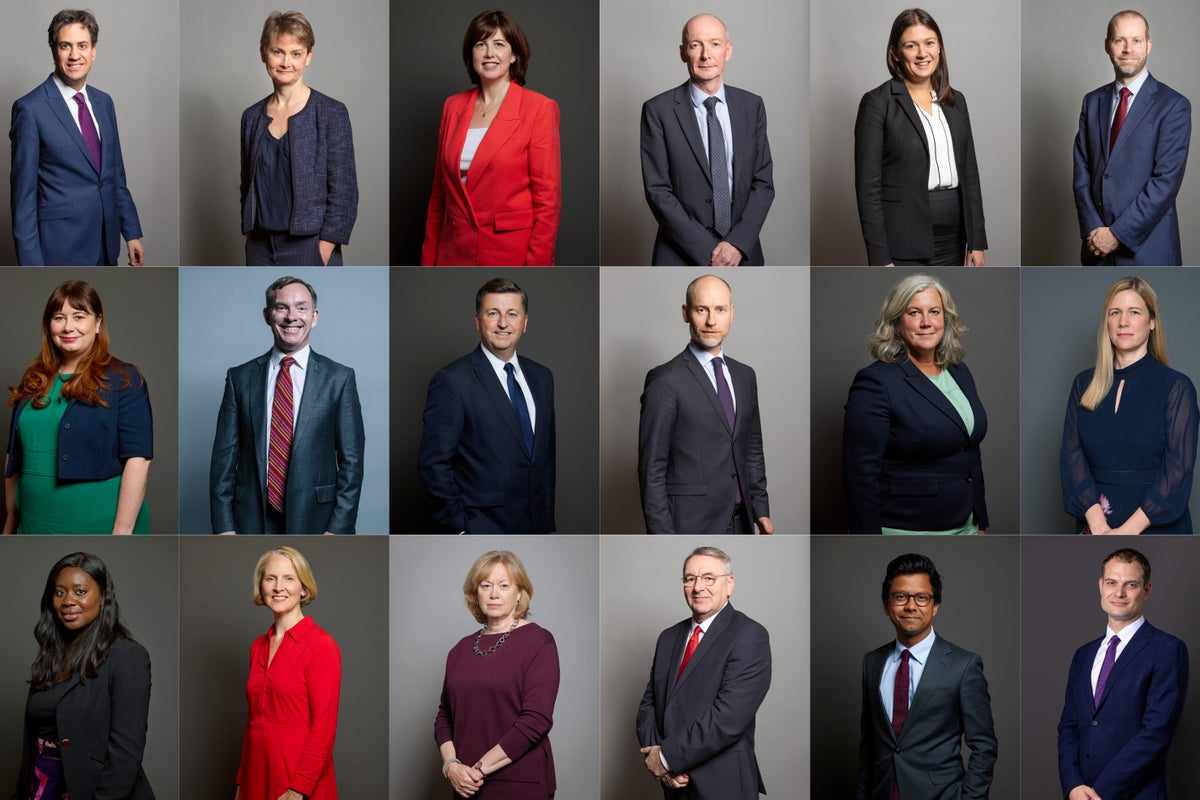
Andy Burnham has carried out a sweeping cabinet reshuffle within hours of becoming prime minister, removing ministers closely associated with his predecessor, Sir Keir Starmer, while restoring several senior Labour figures to government. The purge, which saw more than nine ministers sacked, signals a decisive break from the Starmer era and sets the tone for how Burnham intends to run his administration, with appointments suggesting shifts in priorities on defence, foreign policy and housing.
Among the losers were David Lammy, Darren Jones, Rachel Reeves and Peter Kyle, all of whom left government. The winners include John Healey, promoted to chancellor in a surprise move after previously criticising the Treasury over defence spending; Ed Miliband, made foreign secretary with reports of a planned Foreign Office shake-up including a return to 0.7 per cent of GDP on international aid; Louise Haigh, brought back as First Secretary of State and Chancellor of the Duchy of Lancaster; Angela Rayner, reinstated as housing secretary after being cleared by HMRC over her tax affairs; and Alex Norris, promoted to justice secretary in place of Lammy.
In short
- Burnham sacks over nine Starmer-aligned ministers as new PM
- John Healey becomes chancellor; Ed Miliband made foreign secretary
- Angela Rayner and Louise Haigh return to senior cabinet roles
Steelman: both sides, in good faith
The strongest fair case each way — we don't pick a winner.
The case for
A new Prime Minister must establish an administration reflecting their own vision, and removing ministers closely identified with an unpopular predecessor is standard practice necessary for signalling decisive new direction. The specific appointments—Healey to Chancellor with defence expertise, Miliband as Foreign Secretary for foreign policy change, Rayner to housing after clearing her tax difficulties—suggest calculated strategy. This assertive early action demonstrates decisive leadership and restores public confidence through clear change.
The case against
Removing more than nine senior ministers in a single reshuffle, including an experienced Chancellor and Foreign Secretary, risks destabilising government during economically uncertain times. Such rapid purges appear driven by political settling of scores rather than merit, and losing Treasury expertise may complicate government functioning when steady stewardship is paramount. Institutional continuity matters, particularly when public confidence in politics remains fragile.
Explained simply
A cabinet reshuffle is when a prime minister rearranges their government team by moving, promoting or removing ministers. These reshuffles are significant because they reveal how a leader plans to govern and which areas they will prioritise. Andy Burnham has recently become prime minister, and his early reshuffle offers insight into his intentions for government.
Burnham's reshuffle has involved removing several long-standing figures from the previous government of Sir Keir Starmer, including David Lammy, Darren Jones, Rachel Reeves and Peter Kyle. He has appointed new or returning ministers to senior positions, signalling changes in how his government will approach key areas. The scale of these changes indicates a deliberate effort to establish a different direction from his predecessor.
Cabinet reshuffles are watched closely because ministerial appointments reveal a leader's priorities. In Burnham's case, his appointments suggest his government will shift its approach to defence spending, foreign policy and housing. For anyone seeking to understand what the new government will focus on, the reshuffle provides important clues about its direction and priorities.
Celebrity Entertainment Government Politics