Culture news and discussion on TalkFuse.
Andy Burnham’s post-Brexit trade deal ‘could drive up price of fresh fruit and vegetables’
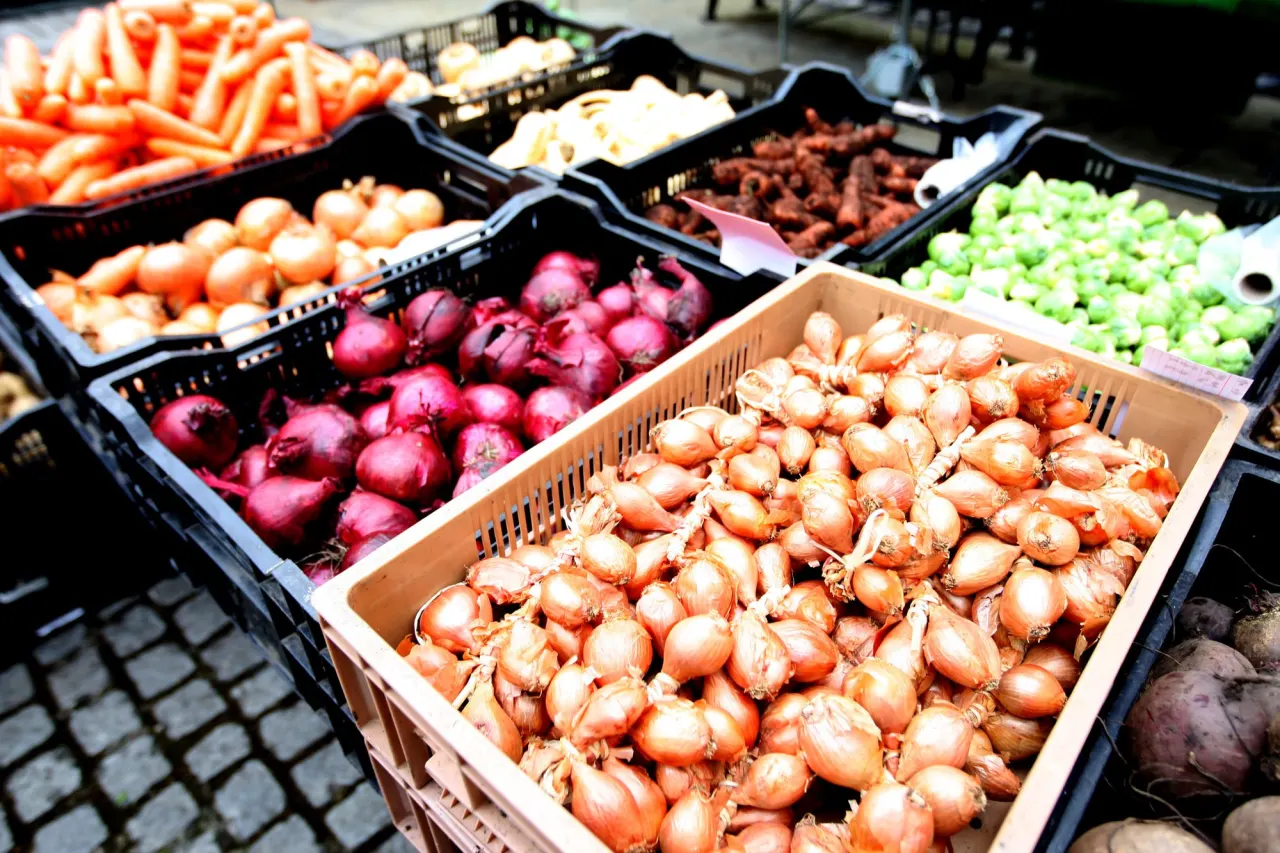
A proposed UK-EU food safety deal could raise the cost of fresh fruit and vegetables, the Fresh Produce Consortium (FPC) has warned. The deal is part of Labour’s Brexit reset and would align UK rules with the EU’s, removing most checks on trade between them, but could bring more inspections for imports from outside the bloc.
The FPC estimates the changes could add £300 million a year in costs to its sector, some of which may be passed on to shoppers. The UK imports four million tonnes of fresh produce from non-EU countries annually; the group says inspections could rise from 5,000 a year to more than 100,000 under the EU approach. The agreement is expected to be formally agreed at a UK-EU summit on 20 November and to take effect in early 2028, though industry groups differ on its likely impact.
In short
- A proposed UK-EU deal could mean more checks on produce from outside the bloc.
- The FPC estimates the changes could cost the sector £300 million annually.
- Some added costs may be passed on to shoppers.
Steelman: both sides, in good faith
The strongest fair case each way — we don't pick a winner.
The case for
Supporters could argue that aligning food safety rules with the EU would remove most checks on UK-EU trade, making supply chains more predictable and reducing friction for businesses trading with the UK’s largest nearby market. Common standards and more consistent inspections may also strengthen safeguards against pests and unsafe produce, with any added costs weighed against those benefits.
The case against
Critics could argue that applying the EU’s inspection approach to produce from outside the bloc may sharply increase checks and costs for a sector that imports large volumes from those countries. If businesses pass some of the estimated £300 million annual cost on to shoppers, fresh fruit and vegetables could become less affordable, while added border procedures could complicate supply chains.