Ukrainian long-range drones strike Russian bases but rely on Starlink access
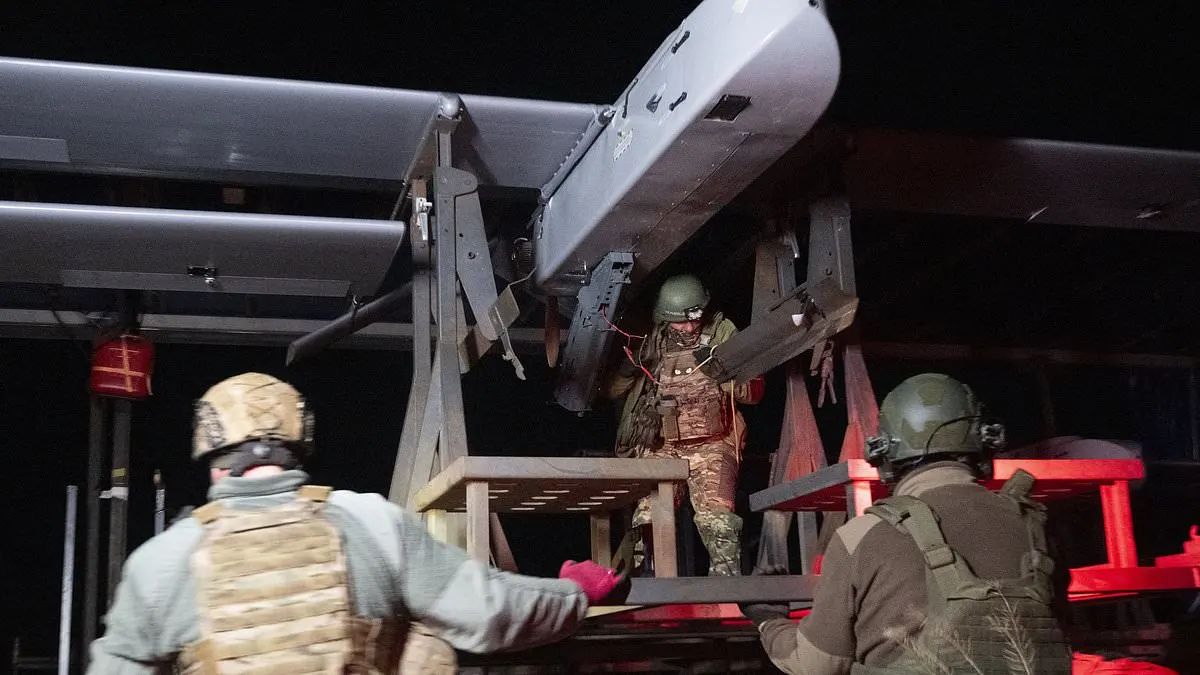
Ukraine’s elite K-2 unmanned systems brigade is using long-range FP-2 drones to strike Russian bases and supply routes, aiming to slow Moscow’s advance and damage its war economy. The article argues that these operations have helped shift battlefield momentum towards Kyiv, but their reliance on satellite internet has left them vulnerable to changes in access.
During a night launch near Kharkiv, the reporter watched six drones, each carrying a 105kg warhead and costing about £50,000, set off towards a Russian base in occupied Luhansk, more than 100 miles away. The article says other strikes have disrupted railways, fuel supplies and oil refineries. It also reports that a 100mph speed limit was imposed on Starlink terminals used on drones, and alleges that Donald Trump was behind restrictions; the supplied text ends before explaining the decision or its effects.
- Ukraine’s K-2 brigade launches long-range FP-2 drones against Russian targets.
- Each drone carries a 105kg warhead and costs about £50,000.
- The article says a Starlink speed limit could disrupt drone operations.
New here? Start with this
Russia’s full-scale invasion of Ukraine has turned drones into an important part of the fighting. Ukraine uses them to attack military sites and supply routes far behind the front line, including in areas Russia occupies.
The K-2 brigade is a Ukrainian military unit that operates unmanned systems, including long-range FP-2 drones. These drones use Starlink, a satellite internet service, to communicate over long distances; their reliance on that connection makes access to the service relevant to how they are used.
The strikes matter because disrupting bases, railways and fuel supplies can affect Russia’s ability to sustain its forces. They also sit within a wider war in which technology, logistics and outside services can shape military operations.
Both sides, in good faith
The strongest fair case each way — we don't pick a winner.
The case for
Long-range drone strikes can disrupt Russian bases, supply routes and war-related industries while avoiding the cost and risk of sending troops into heavily defended areas. Supporters may see them as a proportionate way to impede an invasion and strengthen Ukraine’s defence, especially when the drones are comparatively inexpensive.
The case against
These strikes can damage infrastructure and risk harm to people beyond military targets, while potentially prompting retaliation or escalation. Their dependence on a private satellite network also raises concerns about how much a country’s wartime capabilities should rely on access that can be restricted by a company or political decision-makers.
Read the full article at the source →
Originally published by Daily Mail as “ANDY JEHRING: My night with elite Ukrainian special forces whose long-range drones are causing such devastation for Putin that Trump’s being accused of sabotaging them”.