Anger over BBC’s 9/11 coverage as broadcaster is criticised for Muslim focus
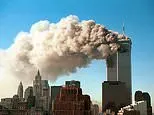
The BBC has faced criticism from journalists and political sources for its coverage of the 25th anniversary of the 9/11 attacks, which they say focused more on Islamophobia and Muslim communities than on the terrorism itself. Critics argue this framing was inappropriate for a memorial marking a terrorist atrocity, with one Westminster source comparing it to "starting D-Day memorials by remembering the plight of the Nazis."
Radio 4's Today programme featured a Muslim interviewee discussing being viewed "through the lens of terrorism," while BBC television bulletins highlighted rising anti-Muslim discrimination and featured a man whose Muslim American police cadet brother died in the attacks, who criticised right-wing rhetoric. Former BBC journalist Catherine Leng said she heard words like "Islamophobia" and "disproportionate overreach" but not "Islamist terrorists," while ex-Sky journalist Colin Brazier accused the BBC of avoiding the word "Islam" in connection with 9/11 and instead suggesting the West "got what it deserved."
In short
- BBC criticised for 9/11 coverage emphasising Islamophobia over terrorism
- Former journalists say key terms like "Islamist terrorists" were avoided
- Critics compare framing to marking D-Day by highlighting Nazi suffering
Steelman: both sides, in good faith
The strongest fair case each way — we don't pick a winner.
The case for
Those criticising the BBC argue that a memorial marking the murder of nearly 3,000 people should centre unambiguously on the victims, the perpetrators and the ideology of Islamist terrorism that motivated the attack, rather than pivoting to a discussion of Islamophobia. They contend that avoiding clear language about who carried out the atrocity and why risks diluting historical clarity and public understanding, and that broadcasters have a duty on solemn anniversaries to prioritise remembrance and factual precision over contemporary social commentary, however well-intentioned.
The case against
Those defending the BBC's approach argue that responsible coverage of 9/11 has long included examining its lasting consequences, among them a well-documented rise in discrimination against Muslim communities in its aftermath, and that acknowledging this is not a denial of the terrorism but an honest account of its ripple effects on ordinary people, including Muslims who lost loved ones in the attacks themselves. They hold that public broadcasters have a legitimate role in giving voice to those affected by prejudice stemming from the tragedy, and that doing so alongside, not instead of, coverage of the terrorist act reflects a fuller and more humane journalistic treatment of a complex anniversary.
Explained simply
The BBC's coverage of the 25th anniversary of the 9/11 attacks has drawn criticism from some journalists and political figures, who say it placed too much emphasis on Islamophobia and Muslim communities rather than on the terrorist attacks themselves. The attacks, carried out by the militant group al-Qaeda in 2001, killed nearly 3,000 people in the United States and remain one of the most significant terrorist events in modern history, making anniversary coverage a sensitive and closely watched moment.
Critics, including some former BBC and Sky journalists, argue that the corporation's programming spent more time discussing discrimination against Muslims and the impact of associating Islam with terrorism than examining the perpetrators or the nature of the attacks. The BBC has not yet issued a detailed public response to these specific claims, and the broadcaster's coverage included interviews and reports on both the anniversary itself and related social issues.
This dispute matters because the BBC, as a publicly funded broadcaster, is expected to maintain impartiality, and its editorial choices around major historical events are regularly scrutinised by politicians, media commentators and the public. The disagreement also reflects a wider, ongoing debate about how the media should balance reporting on terrorism with concerns about discrimination against Muslim communities in its aftermath.
Americas Art Celebrity Culture Entertainment UK World