World news and discussion on TalkFuse.
Former serviceman joins Reform UK as its first Armed Forces spokesman
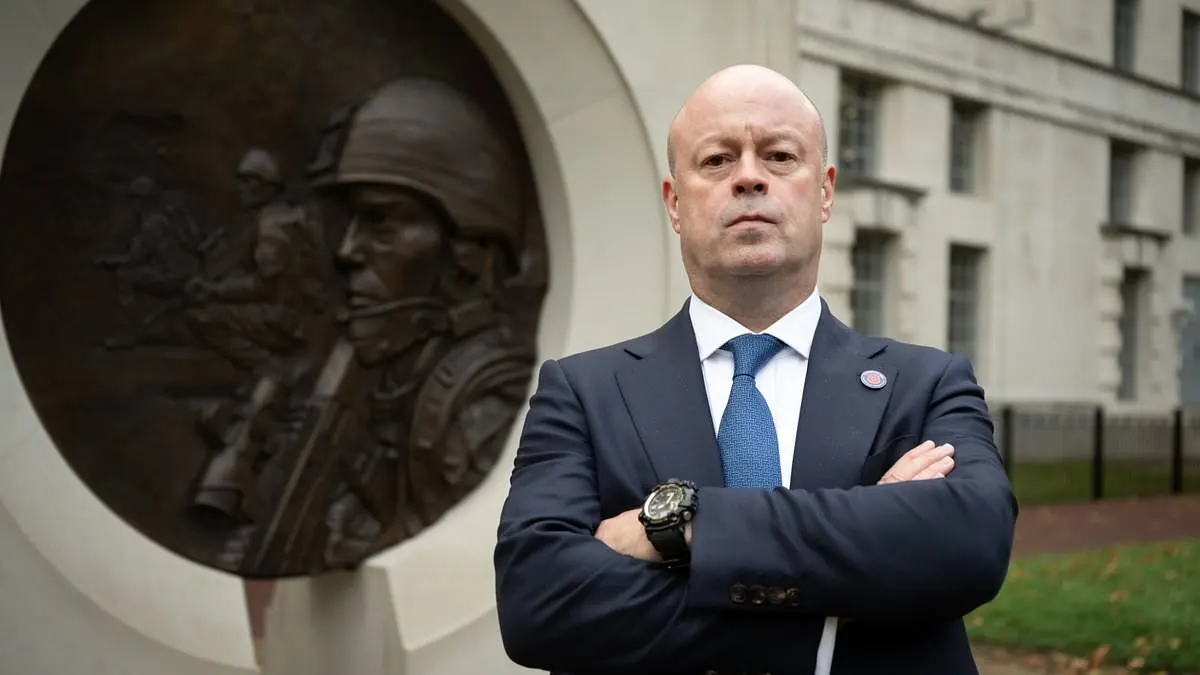
Angus MacIntyre says he has left the Armed Forces after 40 years to become Reform UK’s first Armed Forces spokesman. He argues that successive governments have neglected service personnel and veterans, leaving the military short of resources and equipment as security risks grow.
He says the services had 330,000 personnel when he joined in 1986, compared with 148,000 today. MacIntyre contrasts annual welfare spending of £330 billion with £60 billion on defence and criticises military procurement for delays, overspending and indecision; he says equipment for Ukraine can be delivered in under eight weeks, while British defence projects may take ten years.
In short
- MacIntyre leaves after four decades of service.
- He joins Reform UK as its first Armed Forces spokesman.
- He says defence faces dwindling numbers, funding and slow procurement.
Steelman: both sides, in good faith
The strongest fair case each way — we don't pick a winner.
The case for
MacIntyre’s case is that decades of reductions and procurement failures have left the Armed Forces without the people, equipment and readiness needed as security risks grow. He argues that the gap between welfare and defence spending reflects political choices, and that quicker support for Ukraine shows Britain could deliver essential kit faster if it gave defence greater priority.
The case against
A critic could argue that personnel totals and comparisons between welfare and defence budgets do not, by themselves, show that Britain is inadequately defended or that spending should shift between them. Defence procurement is complex, and rapid transfers of existing equipment to Ukraine are not directly comparable with developing and delivering new systems; investment must be weighed against other public needs and value for money.
Read the full article at the source →
Originally published by Daily Mail as “ANGUS MACINTYRE: Why I quit the military after 40 years to be Reform’s first Armed Forces spokesman”.