World news and discussion on TalkFuse.
Annoying Trump and dodging Flock: inside MapQuest’s contrarian comeback
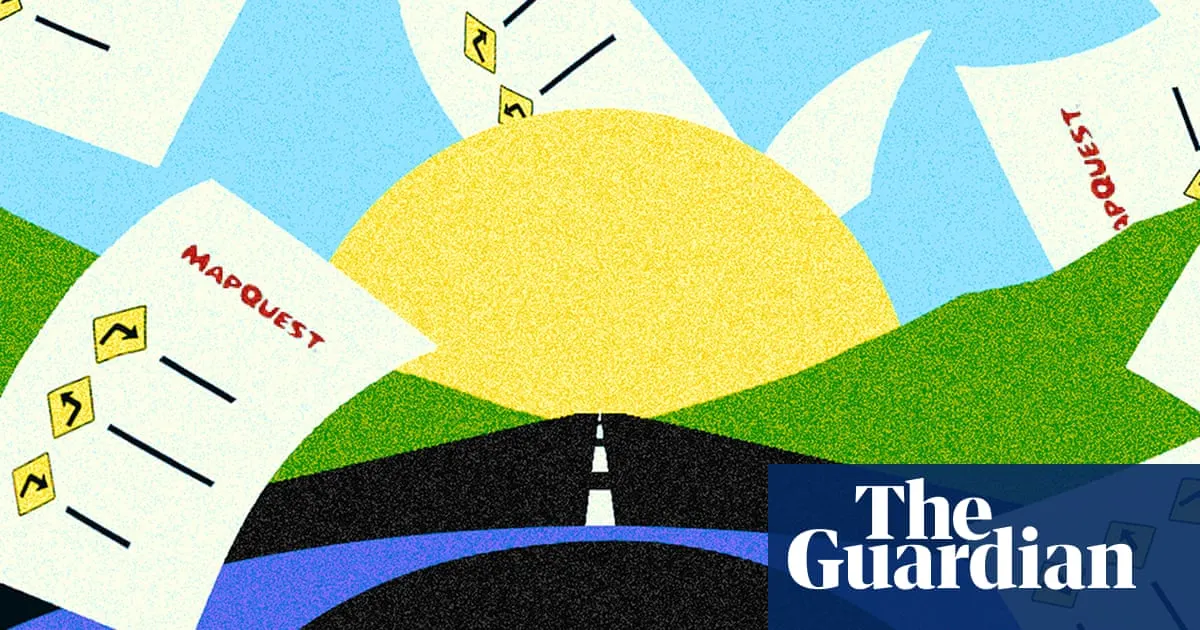
MapQuest has gained a new following by refusing to adopt US President Donald Trump’s executive-order names for the Gulf of Mexico and Lake Ontario. Its stance has made the long-established mapping service a symbol for some users who want familiar place names and oppose changes imposed by government.
After declining to rename Lake Ontario in August, MapQuest added more than 2 million mobile users in a week and briefly became the top free navigation app on iOS and Android; Canadians made up about half of the new users. The Los Angeles-based company has around 40 staff and earns money from advertising and subscriptions rather than selling user data. It has also added features suggested by users, including a tool to find polling places.
In short
- MapQuest kept the name Lake Ontario despite Trump’s order.
- It gained more than 2 million mobile users in a week.
- About half of the new users were in Canada.
Explained simply
MapQuest is a long-running online mapping and navigation service, now run by a small company based in Los Angeles. It competes with larger apps such as Google Maps and Apple Maps, which many people use to find routes and local places.
Place names can carry political and historical meaning, and maps often reflect decisions made by governments and mapmakers. The Gulf of Mexico and Lake Ontario are familiar names for people in the United States and Canada, while governments may use different official names.
Mapping apps can therefore shape how people encounter place names in everyday life. Their choices also matter to users who want reliable directions and to companies that depend on advertising or subscriptions to fund their services.
Americas Culture Government Politics Software Technology Travel World