Business news and discussion on TalkFuse.
Anonymous celebrity discloses the heartbreaking real reason he doesn’t want identity revealed in sexual misconduct case
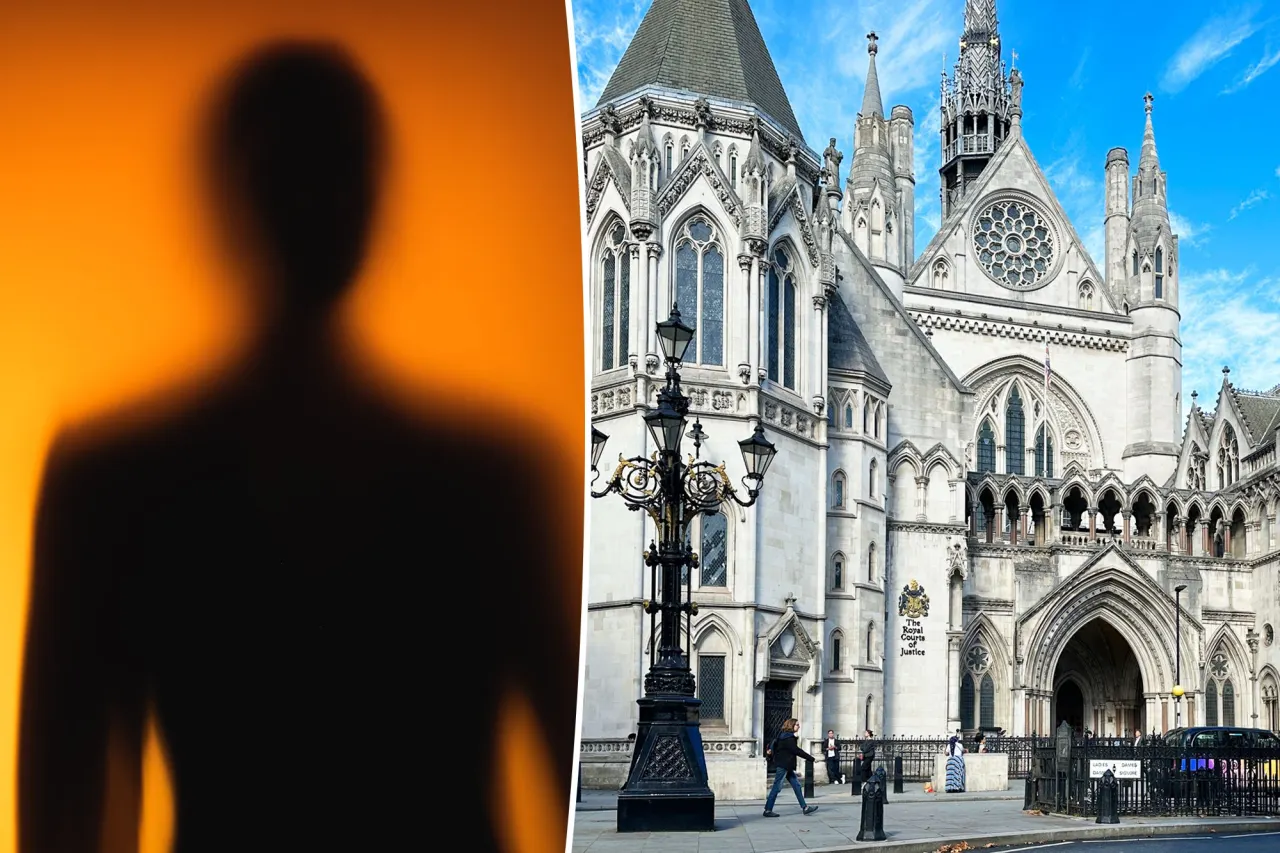
An anonymous British celebrity has lost a High Court bid to prevent two media organisations from publishing sexual misconduct allegations against him. Judge Matthew Nicklin ruled that the public interest in reporting the claims outweighed the celebrity’s privacy arguments and his concern that publication could seriously damage his relationship with his son.
The man, called “PPT” in court documents, denies the allegations, which include pursuing inappropriate sexual relationships with younger women; some alleged conduct could be criminal if proven. The judge said the case did not determine whether the claims were true, but found publication could substantially increase the man’s suicide risk, given his history of depression and suicidal thoughts. His identity remains protected while he considers an appeal; the media organisations say their investigation included interviews with more than 100 people and a review of contemporaneous documents.
In short
- A British celebrity lost his bid to block reporting of misconduct allegations.
- He said publication could seriously harm his relationship with his son.
- His identity remains protected while he considers an appeal.
Steelman: both sides, in good faith
The strongest fair case each way — we don't pick a winner.
The case for
Publishing the allegations can serve the public interest by informing people about claims of serious misconduct, including conduct that could be criminal if proven, and by allowing scrutiny of how the media investigated them. The organisations say they interviewed more than 100 people and reviewed contemporaneous documents, while the celebrity denies the claims; reporting them with that distinction clear may help the public assess matters that remain unresolved.
The case against
With the allegations unproven and the court not deciding whether they are true, identifying the celebrity could cause severe and lasting harm before he has a chance to answer them fully. The judge found publication could substantially increase his suicide risk, and the possible damage to his relationship with his son is a serious privacy concern; keeping his identity protected while he considers an appeal could limit those harms.
Explained simply
The case concerns allegations of sexual misconduct made against a British celebrity, whose identity is temporarily withheld by the court. He denies the claims, which include pursuing relationships with younger women; some of the alleged behaviour could be criminal if proved.
The High Court was asked to decide whether two media organisations could publish the allegations, weighing press freedom and the public interest against the man’s privacy. The ruling concerned whether publication could go ahead, not whether the allegations are true.
Business Celebrity Entertainment Markets World