Business news and discussion on TalkFuse.
Australia raises cash rate to 4.85% in fifth increase this year
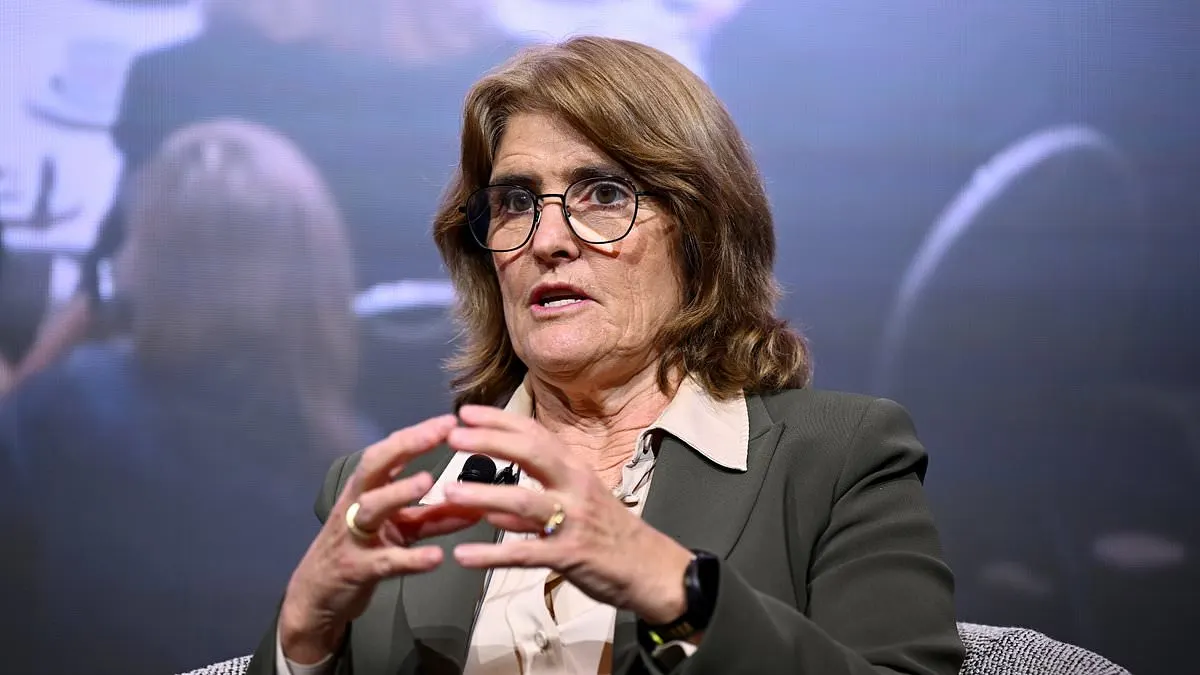
Australia’s Reserve Bank has raised its cash rate by 0.25 percentage points to 4.85 per cent, the highest level since 2008, as it seeks to curb persistent inflation. The fifth increase this year will raise mortgage repayments and add pressure to households already facing high borrowing costs.
Canstar estimates that a borrower with a $600,000 mortgage will pay about $92 more each month after this rise, or $456 more across the five increases this year. The average new owner-occupier loan is now $731,000, compared with $254,000 in 2008, while the median property price is $884,855. Macquarie said it would lift variable home loan rates by 0.25 points from 19 November; separate analysis cited in the article says the big four banks make an average $12,200 profit in the first year of a typical new owner-occupier loan.
In short
- Australia’s cash rate has risen to 4.85 per cent.
- The increase is the fifth this year.
- A $600,000 mortgage could cost $92 more each month.
Steelman: both sides, in good faith
The strongest fair case each way — we don't pick a winner.
The case for
Supporters of the increase argue that persistent inflation erodes purchasing power, especially for people on fixed or modest incomes, and that higher rates can help bring price growth under control. They see acting now as a way to reduce the risk of inflation becoming entrenched and requiring more painful measures later.
The case against
Critics argue that another rise places a direct burden on mortgage holders, with higher repayments adding to pressure on households already facing steep borrowing costs and housing costs. They may also question whether rate rises fairly distribute the cost of tackling inflation, given that borrowers feel the impact while banks can earn substantial profits on new loans.
Explained simply
Australia’s Reserve Bank sets the cash rate, which influences the interest rates banks charge borrowers and pay savers. It raises rates to make borrowing and spending more costly, with the aim of slowing price rises across the economy.
Homeowners with variable-rate mortgages may see their monthly repayments rise when banks pass on rate increases; people with fixed-rate loans are usually affected when their fixed term ends. The impact can be significant because Australian home loans and property prices have grown substantially since 2008.
The Reserve Bank’s decisions affect households, businesses and banks across the country. Higher rates can help ease inflation, but they also increase borrowing costs for people with loans.
Read the full article at the source →
Originally published by Daily Mail as “Another huge blow for Australians with a mortgage as interest rates are increased for the fifth time this year”.