Science news and discussion on TalkFuse.
Anthony Albanese issues an urgent warning to world leaders about climate change: ‘Will get worse and more intense’
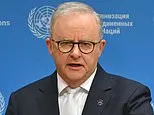
Australian Prime Minister Anthony Albanese has warned world leaders that climate change will make major floods, fires and other natural disasters more frequent and severe unless stronger action is taken. Speaking at New York Climate Week, he said governments could not rely solely on the resilience of affected communities and emergency services, and urged international cooperation to address escalating risks.
Albanese highlighted record temperatures in Europe and the possibility of an extreme Australian summer influenced by El Niño. He also stressed the vulnerability of Pacific nations, while critics said Australia’s expansion of coal and gas projects undermined its climate credentials and called for a clear climate-security framework. UK Foreign Secretary Ed Miliband separately argued that climate risks should be treated as national-security concerns because shocks can spread through energy markets, supply chains, finances and migration.
In short
- Climate change is expected to intensify natural disasters without stronger action.
- Albanese urged global cooperation and support for vulnerable Pacific nations.
- Critics questioned Australia’s climate record and security planning.
Steelman: both sides, in good faith
The strongest fair case each way — we don't pick a winner.
The case for
Climate change is increasing the risks of severe heat, floods and fires, so governments have a responsibility to cut emissions and work together before the costs to people, infrastructure and vulnerable nations grow further. Treating climate impacts as a security concern could help governments prepare for disruption to energy, supply chains and public services, rather than relying on emergency responders after disasters strike.
The case against
Governments should be cautious about framing climate change chiefly as a security threat, since that could encourage narrow or reactive policies instead of weighing costs, effectiveness and other public priorities. Critics may also argue that warnings lose credibility when a government promotes new coal and gas projects, and that climate policy should be judged by concrete emissions outcomes and a clear, accountable plan.
Explained simply
Climate change is the long-term warming of the planet, largely driven by greenhouse gases released when coal, oil and gas are burned. It can raise the risk of heatwaves and worsen some floods, fires and other extreme weather, though the effects vary by place and event.
Anthony Albanese is Australia’s prime minister, and Ed Miliband is the UK foreign secretary. Pacific island nations are especially exposed to rising seas and extreme weather, while Australia remains a major producer and user of fossil fuels.
The issue matters because climate impacts can affect homes, public services and economies, and disruptions may spread through energy supplies, trade and migration. Governments debate how to reduce emissions and prepare for risks, including whether climate change should be treated as a national-security concern.