Anthony Albanese offers a huge nine per cent pay rise to public servants – but they want 15 per cent
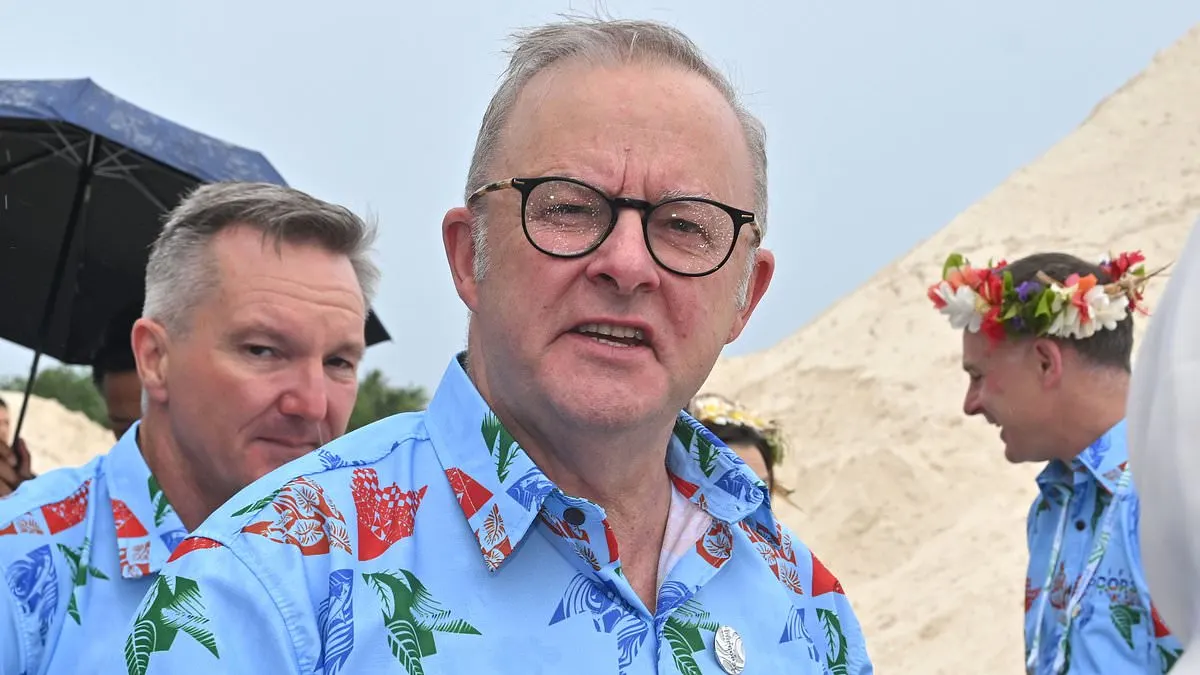
Anthony Albanese’s government has offered federal public servants a 9 per cent pay rise over three years, but unions say the proposal falls short and plan to reject it. The dispute could prolong negotiations and prompt a request for the Fair Work Commission to set the increase, though one union leader has ruled out industrial action.
The offer is 3.2 per cent from March 2027, followed by 3 per cent and 2.8 per cent in the next two years. The Community and Public Sector Union is seeking 15 per cent, equivalent to 5 per cent a year, and says members want pay to keep pace with living costs. The government calls its offer fair and affordable; some lower-paid agency staff could receive additional increases of up to 1.5 per cent, with agencies expected to fund rises from existing budgets.
- Government offers a 9 per cent rise over three years.
- The largest public service union wants 15 per cent.
- Unions say they will reject the proposal.
New here? Start with this
Australia’s federal public servants work for national government departments and agencies, including staff who deliver services and administer policies. Their pay and conditions are negotiated between the government, as employer, and unions representing workers.
The Community and Public Sector Union is seeking a larger increase, saying pay should keep pace with the cost of living. The government says its proposal is fair and affordable, with some lower-paid agency workers potentially eligible for extra increases funded from agency budgets.
If the sides do not agree, the dispute could go to Australia’s Fair Work Commission, an independent body that deals with workplace matters. The outcome affects public servants’ incomes and the government’s spending on its workforce.
Both sides, in good faith
The strongest fair case each way — we don't pick a winner.
The case for
The government can argue that a 9 per cent rise over three years is a fair, affordable offer that gives public servants predictable increases while respecting limits on public spending. It also includes the possibility of extra support for some lower-paid agency staff, with agencies expected to meet the cost from existing budgets.
The case against
Unions can argue that 9 per cent over three years may not keep pace with living costs, leaving public servants with less purchasing power and making it harder to retain staff. A 15 per cent claim reflects members’ view of what is needed to protect wages, and rejecting the offer gives them a way to press for a settlement they consider fair.