Anthony Albanese’s scathing rebuke of One Nation’s historic WA by-election win paints Labor as taking the high road… the hypocrisy is breathtaking, writes PETER VAN ONSELEN
Developed over time first seen 2 months ago
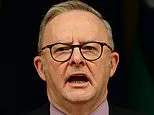
Prime Minister Anthony Albanese has strongly criticised One Nation after the party won a historic by-election victory over Labor in a seat in Perth's south, accusing it of misinformation, factual distortion and dividing Australians for political gain. Columnist Peter van Onselen argues this rebuke is deeply hypocritical, contending that Labor under Albanese has itself repeatedly broken clear election promises and used misleading tactics once in office, undermining the moral high ground the Prime Minister is claiming.
The article cites several examples: Albanese's unequivocal pre-election pledges not to change negative gearing or the capital gains tax discount, both of which were subsequently altered, with Albanese himself linking the shift to One Nation's rising popularity. It also points to the broken "absolutely locked in" promise on Stage Three tax cuts before the 2022 election, a deceptively edited Labor campaign video in 2025 that reversed the meaning of Peter Dutton's comments on Medicare, false claims about a $350 billion budget cut, and an unsubstantiated 2022 claim linking the Coalition to forcing pensioners onto the cashless debit card. The by-election was won by One Nation's Luke Herdegen.
- Albanese accused One Nation of misinformation after its WA by-election win.
- Columnist says Labor has used similar tactics, calling the rebuke hypocritical.
- Cites broken tax promises and a misleading Medicare campaign video as examples.
New here? Start with this
Labor and One Nation have been rivals for a Western Australian state seat covering areas south of Perth, previously held safely by Labor. One Nation, a minor party known for its nationalist and anti-immigration positions, won the by-election outright for the first time, a result being described as historic. Anthony Albanese, Australia's Labor Prime Minister, responded by publicly condemning One Nation's campaign conduct, accusing the party of spreading misinformation and stoking division.
Commentator Peter van Onselen has challenged Albanese's criticism, arguing that Labor's own record in government includes several reversed or broken election commitments and disputed campaign claims, from tax policy pledges to edited campaign material. The piece places the by-election result and the Prime Minister's response within this wider debate about honesty in Australian political campaigning.
This matters because by-elections are often read as early signals of shifting voter sentiment ahead of future elections, and a strong result for a minor party in a traditionally safe seat can prompt broader questions about voter trust in the major parties.
Both sides, in good faith
The strongest fair case each way — we don't pick a winner.
The case for
Albanese’s criticism can be defended as a warning that political success should not come through misinformation or rhetoric that deepens division. A prime minister may reasonably call out such conduct even if his own government has faced criticism for broken pledges or misleading campaign material; those failures can be judged separately from the accuracy and effects of One Nation’s claims.
The case against
The columnist’s case is that Albanese’s rebuke risks sounding like a claim to moral superiority when Labor has itself broken emphatic promises and used misleading political claims. Changes to tax policy after firm pledges, the altered campaign video and disputed claims about budget cuts and pensioners give critics grounds to argue that Labor’s conduct weakens its authority to condemn opponents on honesty.
Full account
Prime Minister Anthony Albanese used a Queensland Labor conference speech to condemn One Nation after its breakthrough victory in the Secret Harbour by-election in Western Australia. He described the party as part of a wider rise in hard-right populism and said Labor had an obligation to defeat such movements electorally.
Albanese said One Nation offered no serious solutions and accused it of distorting facts, spreading false or misleading claims and fostering division. He contrasted those views with Labor’s stated support for multiculturalism, arguing that Australians should be treated equally whether born in the country or arriving by choice. He also referred to past remarks associated with One Nation on working from home, domestic violence and national identity.
One Nation leader Pauline Hanson rejected the Prime Minister’s characterisation. She said language portraying elected opponents as dangerous could intensify political hostility, and argued that voters should be able to support her party without their choice being depicted as a threat. Hanson instead blamed the government’s economic management for pressures on rents, mortgages and household bills.
The dispute followed One Nation candidate Luke Herdegen’s defeat of Labor candidate Georgia Tree in Secret Harbour, giving the party its first lower-house seat in Western Australia. The result was widely presented as a significant upset in an electorate regarded as safe for Labor, and has sharpened arguments about One Nation’s growing electoral appeal and Labor’s response to it.
Where outlets differ
Source 1 is an overtly critical opinion piece focused on alleging hypocrisy by Albanese, citing Labor policy reversals and campaign material as examples. Source 2 is primarily a report of Albanese’s speech, Hanson’s response and the by-election result, while including the competing claims without advancing Source 1’s broader judgement.