World news and discussion on TalkFuse.
Anthony Burgess’ Classic Sci-Fi Book Had Its Original Ending Cut for Decades
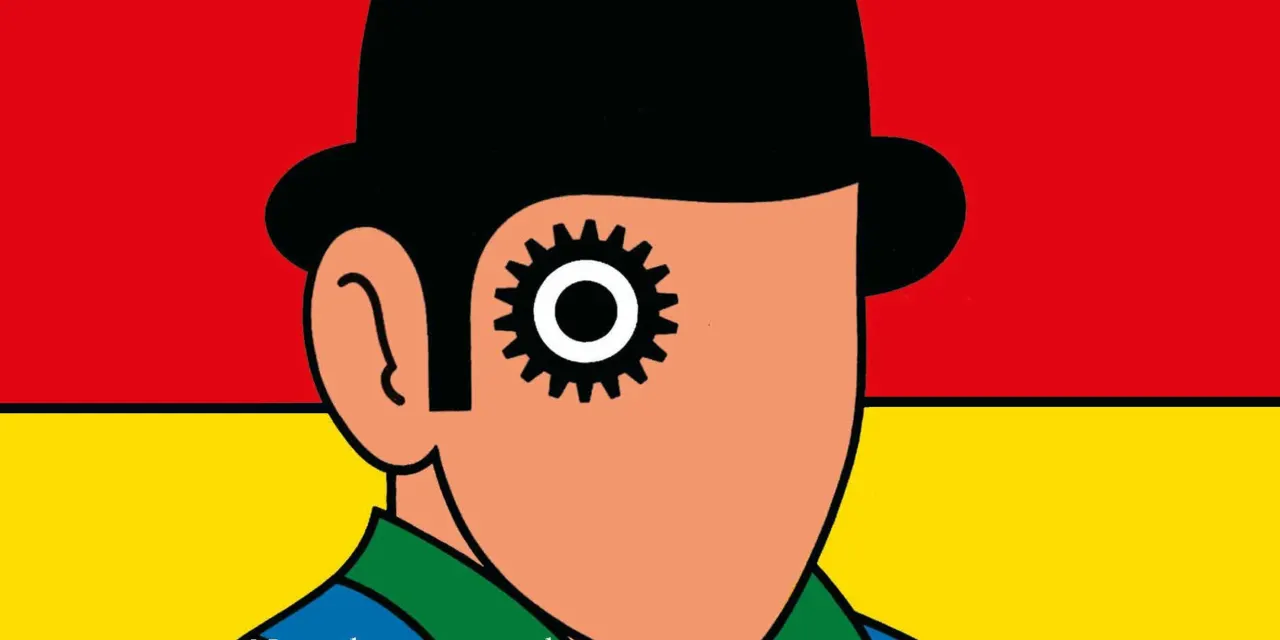
Anthony Burgess’s 1962 novel *A Clockwork Orange* was published with different endings in Britain and the United States. The US edition omitted the original final chapter, leaving Alex apparently poised to return to violence; that darker ending was also used in Stanley Kubrick’s film.
In the British edition’s Chapter 21, Alex is eighteen and has grown tired of violence, imagining a settled life with work and a family. US publisher W.W. Norton chose to cut the chapter because it considered the darker ending more convincing, with Burgess’s approval at the time, though he later said he had agreed under pressure. The article says Burgess’s view of the US ending was more nuanced than is often believed.
In short
- US readers received a darker ending than British readers.
- The original final chapter shows Alex choosing to settle down.
- W.W. Norton removed it, with Burgess’s approval at the time.
Steelman: both sides, in good faith
The strongest fair case each way — we don't pick a winner.
The case for
The British ending gives Alex’s change of heart room to feel like a genuine part of growing up: at eighteen, he is weary of violence and can imagine work, family and a settled life. Including the chapter preserves Burgess’s account of moral development and gives readers a more hopeful, though not necessarily uncomplicated, conclusion.
The case against
The US ending leaves Alex apparently poised to return to violence, which can be read as a more convincing conclusion to a novel about coercion, choice and the limits of reform. W.W. Norton considered that darker outcome stronger, and Burgess approved the cut at the time, even though he later described his agreement as pressured.
Explained simply
Anthony Burgess’s A Clockwork Orange is a 1962 novel about Alex, a teenager drawn to violence, and attempts to control his behaviour. It was published in Britain and the United States with different endings.
The British edition includes a final chapter in which Alex, at eighteen, has grown tired of violence and imagines work and family life. The US publisher, W.W. Norton, omitted that chapter, leaving a darker ending; Burgess initially approved the change, though he later said he had felt pressured.
Stanley Kubrick’s film used the US ending, which helped make it familiar to many readers and viewers. The difference matters because the two endings leave contrasting impressions of whether Alex can change.