Anti-migrant AfD seeks to break Germany’s political ‘firewall’ in historic state election
Developed over time first seen 2 months ago
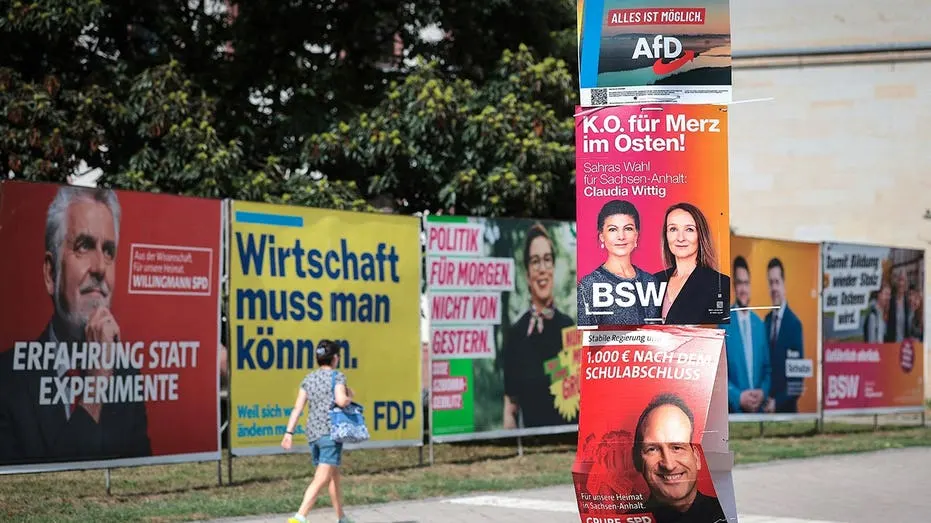
Voters in the eastern German state of Saxony-Anhalt went to the polls on Sunday in an election that saw the far-right Alternative for Germany (AfD) mount its strongest ever challenge to the country's political establishment, with analysts warning it could become the first party outside the mainstream CDU/CSU and SPD to win an outright majority in a state parliament since the Second World War. Such a result would carry huge symbolic weight, breaking the so-called "firewall" (Brandmauer) under which other parties have long refused to cooperate with the AfD, even though the party's actual policy influence would be limited by Germany's federal system.
The AfD, backed by Elon Musk during last year's national campaign, has been designated a "confirmed right-wing extremist" group by Germany's domestic intelligence service and campaigns on tighter immigration, a stronger national identity, rejection of green policies and closer ties with Russia. Party co-chair Alice Weidel called for closing Germany's borders, leaving the Schengen area and mass deportations of Syrian refugees. Experts including Daniel Schatz and Janek Treiber said working-class and young voters were swinging behind the party, and that even a limited win would symbolise the mainstream parties, which have governed Germany since 1949 and the east since 1990, losing control.
- Sources
- 2
- Outlets
- 2
- Left · Centre · Right
- 0 · 1 · 1
In short
- AfD made historic bid for outright majority in Saxony-Anhalt state election.
- Win would break Germany's "firewall" barring cooperation with the far right.
- AfD, deemed extremist by intelligence services, campaigns on mass deportations.
How this story developed
- 2 months ago Voters in Saxony-Anhalt go to the polls on Sunday in a state election that could see the far-right Alternative for Germany (AfD) become the first party outside Germany's mainstream CDU/CSU and SPD to win an outright majority in a state parliament since the Second World War.
- 2 months ago Voters in Saxony-Anhalt go to the polls on Sunday in a state election that could see the far-right Alternative for Germany (AfD) become the first party outside Germany's mainstream CDU/CSU and SPD to win an outright majority in a state parliament since the Second World War.
- 2 months ago Voters in the eastern German state of Saxony-Anhalt went to the polls on Sunday in an election that saw the far-right Alternative for Germany (AfD) mount its strongest ever challenge to the country's political establishment, with analysts warning it could become the first party outside the mainstream CDU/CSU and SPD to win an outright majority in a state parliament since the Second World War.
Where outlets differ
Centre outlets 1
Only here: right, celebrate, projected
Right-leaning outlets 1
Only here: anti, migrant, seeks, break, political
Every side used: germany, state, election
Headline columns compared word for word; nothing in them is AI-written.
Steelman: both sides, in good faith
The strongest fair case each way — we don't pick a winner.
The case for
Supporters of the AfD's rise argue that mainstream parties have for years dismissed legitimate public concerns about immigration levels, integration strains and border security, particularly in eastern states that feel economically and culturally left behind since reunification. They contend that treating a party which won a fifth of the national vote as untouchable is itself undemocratic, denying millions of voters a voice and fuelling the very alienation it claims to guard against. On policy, they argue that tighter border controls, a review of Schengen's open frontiers and reassessing protected status once the situations prompting it have changed are reasonable responses to genuine strains on housing, services and social cohesion, not extremism. They see the 'firewall' as an elite cordon that stifles debate rather than a principled defence of democracy.
The case against
Those defending the firewall argue that Germany's post-war consensus of refusing to normalise or govern with parties assessed by its own security services as right-wing extremist is a hard-won safeguard, not an act of elitism, given the country's specific history. They point to the AfD's rhetoric around 'Islamisation', mass deportations and stripping protections from Syrians as targeting vulnerable people and minorities rather than addressing policy on its merits, and warn that mainstreaming such language risks eroding protections that took generations to build. They accept that immigration concerns are real and must be addressed, but argue this can and should be done by mainstream parties tightening policy through normal democratic channels, not by legitimising a movement whose leadership includes figures with documented extremist links. For them, cooperation would trade a temporary political headache for a lasting institutional and moral cost.
Explained simply
Voters in the German state of Saxony-Anhalt are electing a new state parliament, in a contest that could hand outright control to the Alternative for Germany (AfD), a party that has become the country's main political flashpoint since its rise over the past decade. The AfD campaigns on curbing immigration, tightening or closing Germany's borders, leaving the EU's Schengen free-travel zone, and deporting Syrian refugees, and it has been formally designated a right-wing extremist organisation by Germany's domestic intelligence service. It is led nationally by figures including Alice Weidel and is currently the second-largest party in the federal parliament.
The vote matters because of what Germans call the "firewall" (Brandmauer): an unwritten understanding among mainstream parties, including the conservative CDU/CSU and the centre-left SPD, not to govern with or rely on the AfD, a stance rooted in Germany's post-war determination to keep far-right movements out of power. An outright AfD majority in Saxony-Anhalt would be the first time since the Second World War that a party outside the CDU/CSU and SPD has achieved this in a state parliament, making it a major symbolic breach of that consensus, even though the party's practical powers would still be limited by Germany's federal system of government.
The AfD's support is strongest in the former East Germany, particularly among younger and working-class voters, and it has drawn international attention including from the businessman Elon Musk, who backed the party during last year's national election campaign. The result in Saxony-Anhalt is being watched closely as a signal of how far the party's influence could extend elsewhere in Germany.
Coverage · 2 sources
Bias meters
From 2 rated sources.
Elections Europe Politics Trending Weird & Viral World