Portsmouth protester denies breaching face-covering ban on religious grounds
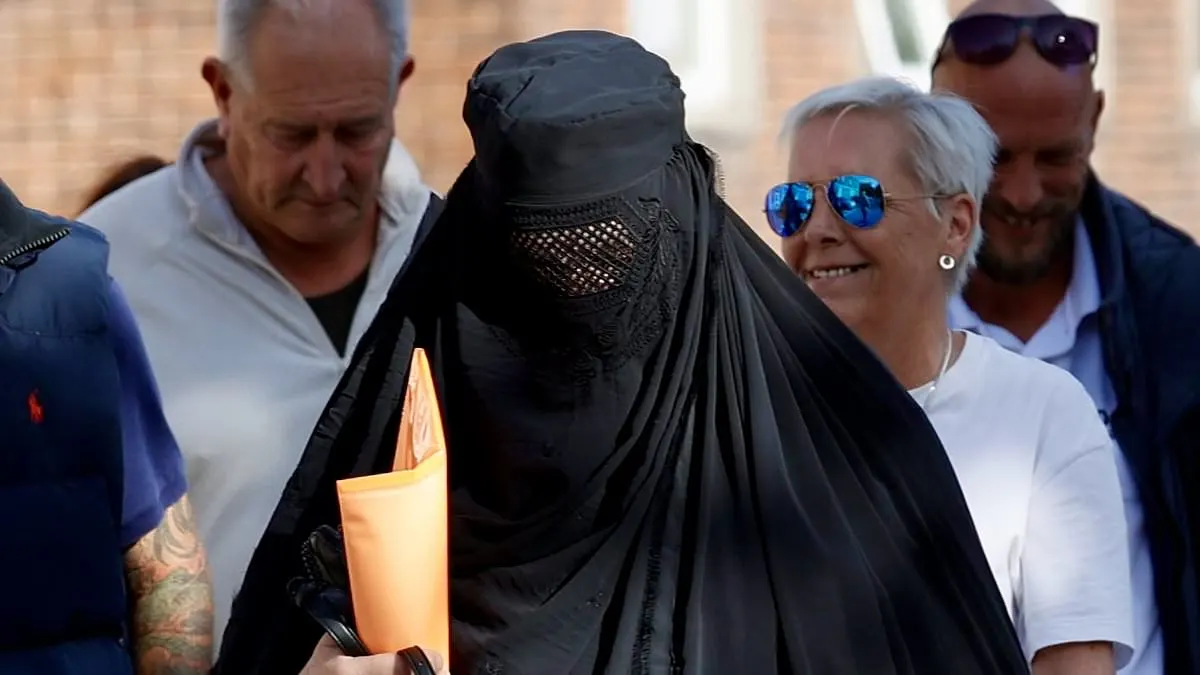
Timothy Miller, 76, denied concealing his identity at an anti-migrant protest in Portsmouth by wearing a burqa, telling the court he was unlawfully arrested. He says the clothing was part of his study and observance of Islam; the case will test whether that claim provides a defence to the charge.
About 2,000 people gathered in Portsmouth on 12 September after a small boat carrying migrants arrived, and police had warned they would arrest people wearing face coverings. Miller, who appeared without legal representation, pleaded not guilty and said he had not been asked to remove his covering at the protest. District Judge Stephen Apted said Miller would need evidence to show the clothing was worn for religious observance; his trial is scheduled for 16 February.
- Timothy Miller denies a face-covering charge after a Portsmouth protest.
- He says wearing a burqa was part of his religious observance.
- His trial is scheduled for 16 February.
New here? Start with this
The case concerns a law that makes it an offence to wear clothing or other items to conceal your identity at a public gathering, subject to certain defences. One defence may apply if the covering was worn for a reason such as religious observance.
Timothy Miller says he wore a burqa as part of his study and observance of Islam, while prosecutors allege he concealed his identity at a protest in Portsmouth. The court will consider whether his stated religious reason is supported by evidence and whether it provides a defence.
The protest followed the arrival of a boat carrying migrants and drew about 2,000 people. The case matters because it will examine how the face-covering offence applies when a person says the covering was worn for religious reasons.
Both sides, in good faith
The strongest fair case each way — we don't pick a winner.
The case for
Miller’s strongest case is that wearing the clothing was a sincere expression of his study and observance of Islam, rather than an attempt to conceal his identity. If the law recognises religious observance as a defence, requiring convincing evidence should protect both freedom of religion and the fair application of the ban; he also says police did not ask him to uncover his face.
The case against
The case for applying the ban is that face coverings can make it harder to identify people at a protest, and police had warned that arrests could follow. A religious-observance defence needs evidence that the clothing was worn for that purpose, so the court can distinguish a genuine religious practice from a claimed reason for avoiding identification.
Cybersecurity Technology World
Read the full article at the source →
Originally published by Daily Mail as “Anti-migrant protester arrives at court in burqa after he was charged with breaching face-covering ban by wearing full Islamic dress to Portsmouth demo”.