“Any band that reaches into the darkness to push boundaries are by definition progressive. That certainly applies”: They were regarded as synth-pop or new wave, but we say they’re prog. So do members of Marillion, Porcupine Tree and No-Man
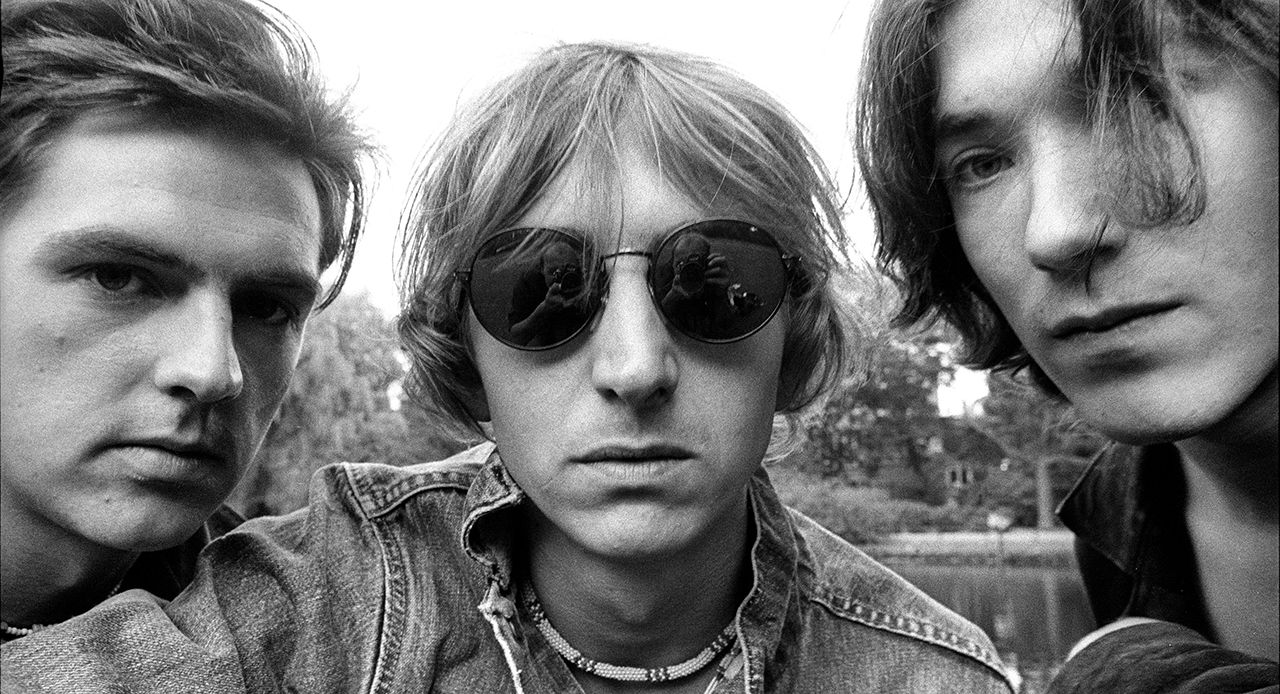
The music magazine Louder revisits a long-running debate over whether English band Talk Talk, often filed under synth-pop or new wave, actually belong within the progressive rock canon. The piece matters to fans of the genre because it reassesses the legacy of a band whose later work moved far beyond their pop origins, arguing their willingness to "reach into the darkness" and push musical boundaries makes them progressive by definition, and highlighting their influence on acknowledged prog acts.
The article draws on musicians from Marillion, Porcupine Tree and No-Man to make the case, including Marillion vocalist Steve Hogarth, who cites Talk Talk alongside The Blue Nile and Japan as one of three 1980s bands that "defined how music could be arranged." It traces the band's evolution from their 1981 support slot with Duran Duran and 1982 debut album The Party's Over, fronted by the late Mark Hollis, through to 1986's The Colour Of Spring, which marked their shift towards the more experimental, atmospheric sound that later inspired acts such as White Willow.
- Louder revisits whether Talk Talk should be classed as progressive rock.
- Members of Marillion, Porcupine Tree and No-Man back the case.
- Steve Hogarth cites Talk Talk as one of the defining 1980s bands.