Politics news and discussion on TalkFuse.
Appeals court says federal law requiring accommodations for pregnant workers is unconstitutional
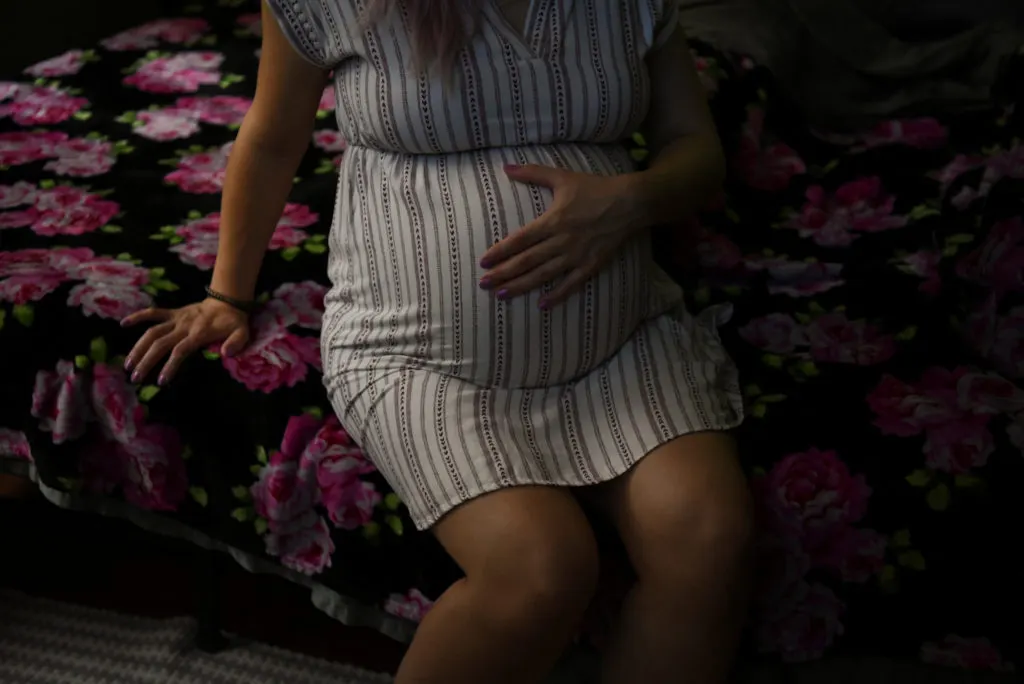
A US appeals court has ruled that the Pregnant Workers Fairness Act is unconstitutional, finding that Congress did not have enough members physically present when it passed the law in 2022. The decision could remove workplace protections for pregnant workers in Texas, Louisiana and Mississippi, and may affect the law’s standing elsewhere.
The 5th Circuit Court of Appeals ruled 9-8 that proxy votes cast under pandemic-era House rules did not satisfy the Constitution’s quorum requirement. The law had bipartisan support and requires employers to provide reasonable accommodations for pregnancy and childbirth, such as time off for medical appointments or exemptions from heavy lifting. Texas had challenged the law; eight dissenting judges said the state accepted funds from the same spending bill that included it. Advocates say they are likely to appeal to the US Supreme Court.
In short
- A 9-8 appeals court ruling struck down the pregnancy accommodation law.
- The decision applies to Texas, Louisiana and Mississippi for now.
- Advocates are expected to appeal to the US Supreme Court.
Steelman: both sides, in good faith
The strongest fair case each way — we don't pick a winner.
The case for
The strongest case for the ruling is that the Constitution requires a quorum of members physically present for the House to conduct business, and pandemic-era proxy voting did not meet that requirement. On this view, enforcing the rule protects constitutional limits on Congress’s procedures, even when a law has broad support or beneficial aims; legislation should be enacted through valid processes.
The case against
The strongest case against the ruling is that proxy voting was adopted under the House’s authority to set its own procedures during an extraordinary public-health emergency, and the law passed with bipartisan support to address practical barriers pregnant workers face. Invalidating it over attendance rules may withdraw reasonable workplace accommodations from workers and employers in several states, while the state’s acceptance of funds in the same bill may strengthen the argument that its challenge is inconsistent.
Explained simply
The US Constitution requires a majority of House members to be present to conduct business. During the Covid pandemic, the House allowed some members to cast votes remotely under temporary rules; Congress passed the Pregnant Workers Fairness Act in 2022 as part of a wider spending bill.
The law requires employers to make reasonable changes for workers affected by pregnancy, childbirth or related medical conditions, such as allowing time for appointments or avoiding heavy lifting. Its protections are relevant to workers and employers across the country, while court rulings can determine whether those protections apply in particular states.