Apple reportedly cut more than 200 jobs across Vision Pro and Siri software teams
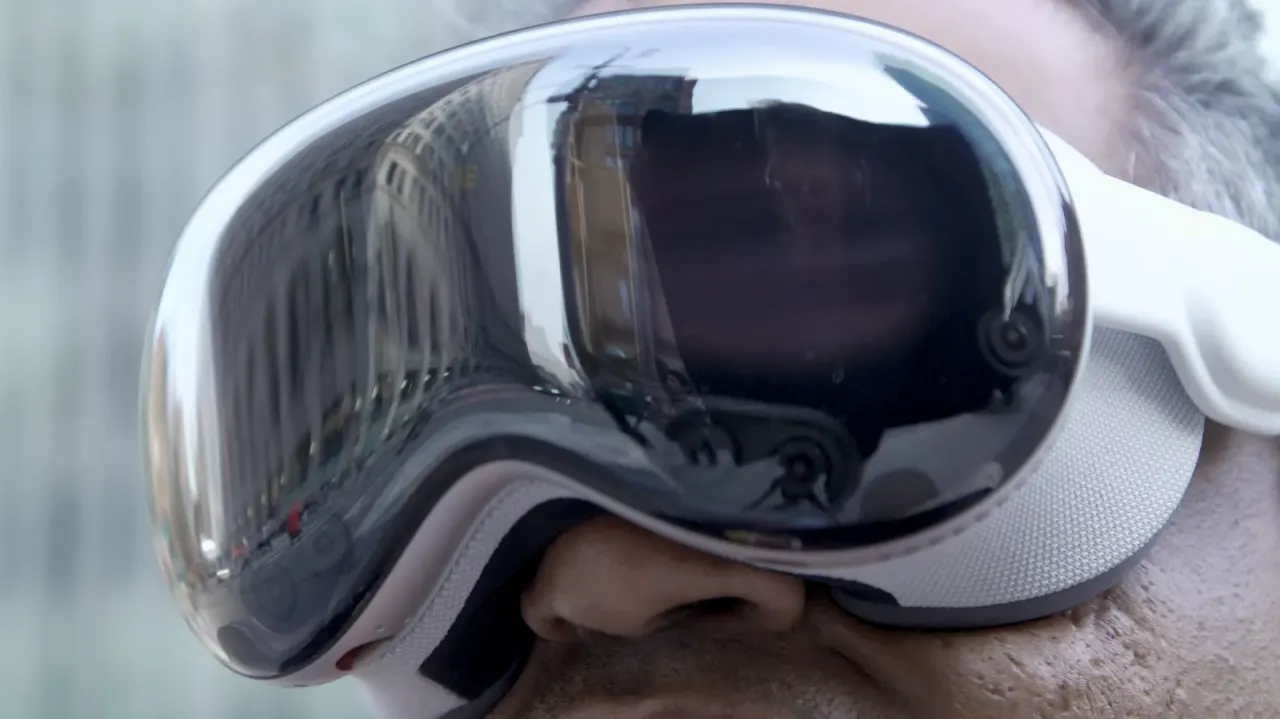
Apple has laid off more than 200 employees from its Vision Pro and Siri software teams, according to Bloomberg's Mark Gurman, as the company redirects its focus towards smart glasses and next-generation AI technology. The cuts reflect a broader strategic pivot: Apple is said to have shelved a planned Vision Pro successor in favour of Meta-style AI glasses, while also moving away from the older Siri assistant towards a new LLM-based version introduced with iOS 27.
Around 100 jobs were cut from the Vision Pro division, concentrated in gaming and immersive video teams, with a further 100 lost across Siri and related software divisions where old-Siri expertise is no longer needed. Apple said it was creating new roles alongside the cuts and would support affected staff in seeking other positions internally. The company insists Vision Pro and VisionOS are not being abandoned, with a new headset still planned for as early as 2028, though the high cost of producing immersive content for a limited user base, combined with the device's $3,699 price and mixed reception, appears to have made these reductions likely.
- Apple cut over 200 jobs in Vision Pro and Siri teams
- Company is shifting focus to smart glasses and new AI
- A new Vision Pro model is still planned, for 2028
New here? Start with this
Apple's Vision Pro is its mixed-reality headset, launched in 2024 at a high price of $3,699, and Siri is the voice assistant built into iPhones and other Apple devices for years. Both have faced criticism: Vision Pro for being costly with limited everyday appeal, and Siri for lagging behind newer AI assistants from rivals. Apple has been working on updates to both, including a next-generation Siri built on newer AI technology, expected with iOS 27.
The job cuts reported here come as Apple reportedly shifts its priorities. Rather than continuing to develop a direct successor to Vision Pro in the same form, the company is said to be putting more effort into smart glasses, a lighter and cheaper type of wearable device similar to those Meta has released. At the same time, Apple is said to be moving away from the older version of Siri as it prepares the newer AI-based one.
This matters because it points to how Apple is adjusting its approach to wearable devices and AI assistants, two areas seen as important to its future growth alongside the iPhone. Changes in staffing and strategy in these teams can affect what products Apple brings to market next and when, which is of interest to consumers, investors and rival technology companies alike.
Both sides, in good faith
The strongest fair case each way — we don't pick a winner.
The case for
Advocates of the reshuffle would argue that Apple is making a rational, disciplined capital-allocation decision: Vision Pro has sold modestly and Siri has visibly lagged rivals in the AI race, so redirecting engineering talent towards smart glasses and next-generation AI is a sensible response to where consumer demand and competitive pressure are actually heading. From this view, a company as large as Apple must be willing to prune underperforming or slower-growing initiatives rather than propping them up indefinitely, and doing so decisively, even at the cost of some jobs, is preferable to prolonged drift or half-hearted investment across too many fronts. Reallocating skilled staff internally to higher-priority projects, rather than abandoning the underlying technology altogether, can also be seen as a responsible way to manage a strategic pivot.
The case against
Critics would counter that cutting more than 200 jobs from Vision Pro and Siri signals instability and short-termism, undermining employees who joined to build long-term, ambitious products and now bear the cost of a strategy reversal they had no part in. They would argue that abandoning or scaling back investment in a flagship product like Vision Pro so soon after launch risks damaging Apple's credibility with developers and early adopters who were encouraged to commit to the platform, and that chronic underinvestment in Siri, now compounded by layoffs, may leave Apple further behind rather than accelerating its AI catch-up. There is also a broader concern about the human cost of frequent strategic lurches at large technology firms, where workers' livelihoods are treated as adjustable variables in response to shifting corporate priorities.
AI Americas Art Business Culture Economy Software Technology World