Apple TV’s History-Making Sci-Fi Only Needed 1 Season To Become a Masterpiece
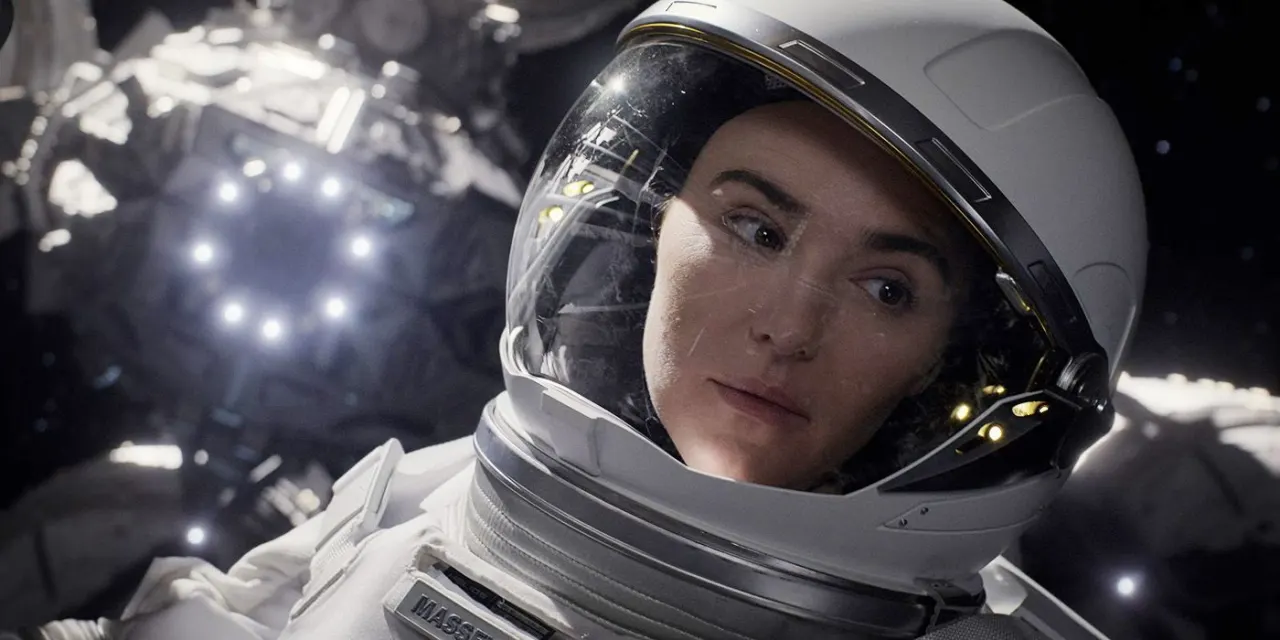
*For All Mankind* imagines how history might have changed if the Soviet Union had landed on the Moon before the United States. Its first season establishes a world where the US pours resources into catching up, making the series’ alternate history a way to explore how one pivotal event can reshape technology, society and space exploration.
The article argues that the debut season works as a masterpiece in its own right, while laying the foundations for a longer generational saga. It highlights astronaut Ed Baldwin, NASA engineer Margo Madison, fellow astronaut Gordo Stevens and his wife Tracy, alongside young Aleida Rosales, whose early inspiration leads her to NASA. The series keeps real history as its anchor while imagining milestones arriving earlier in response to the Soviet achievement.
- The Soviets reach the Moon first in the series’ alternate history.
- The US redirects its efforts to catch up with them.
- Season one builds the characters and world for a generational saga.
Both sides, in good faith
The strongest fair case each way — we don't pick a winner.
The case for
The first season can be judged as a complete achievement because it turns a clear historical change into a focused story about ambition, sacrifice and social change. Its characters’ intersecting lives give the alternate space race emotional weight, while the grounded use of real history makes the imagined developments feel consequential rather than arbitrary.
The case against
Calling the debut season a masterpiece may understate how much its world and character arcs depend on what follows. The premise is designed as a generational saga, and the season’s significance may be clearer when viewed as the opening of a longer story than as a self-contained work.