Apple adds AI listening to new Watch, promises privacy safeguards
Developed over time first seen 2 months ago
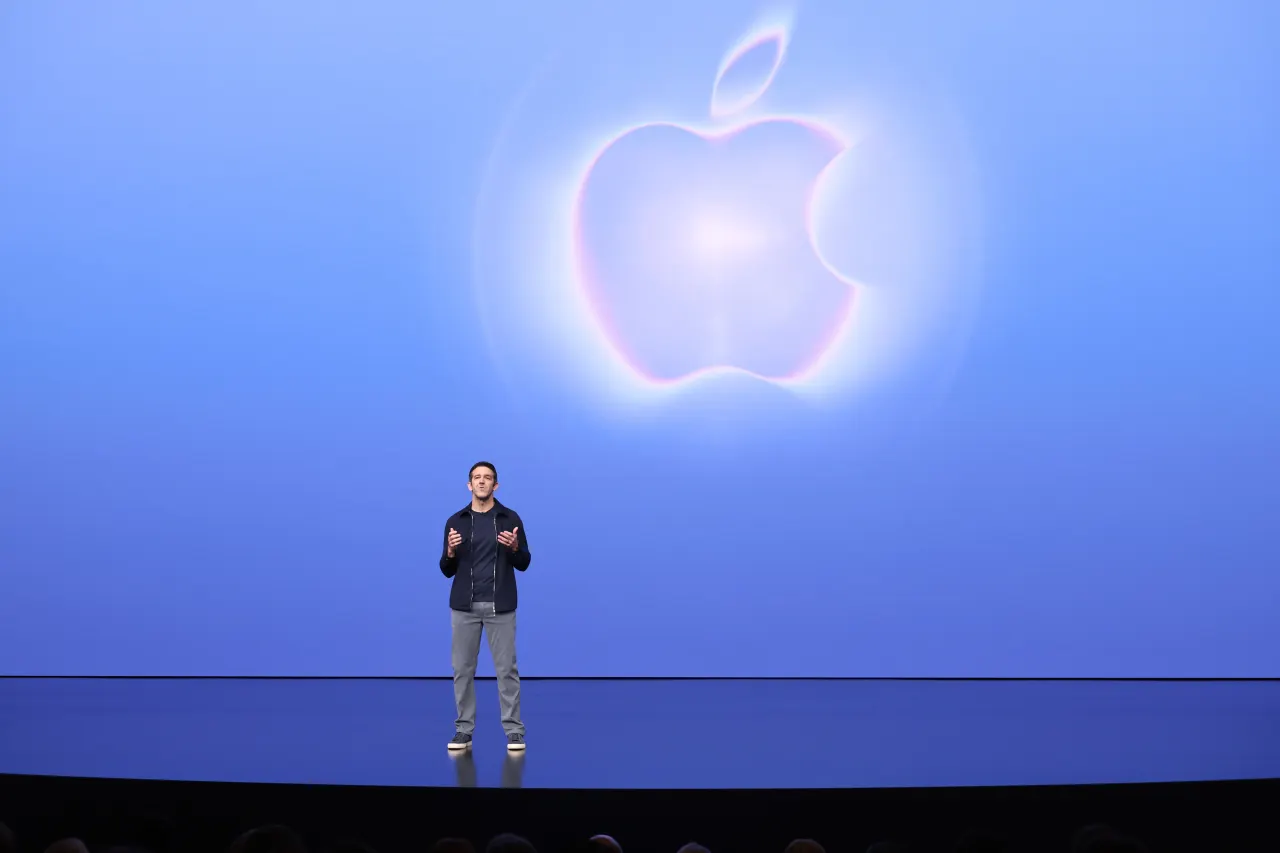
Apple has set out how its new Audio Intelligence features on the Apple Watch Series 12 and Ultra 4 are designed to protect user privacy, following concerns about the "ambient listening" capabilities unveiled at its iPhone Duo launch event. The company says raw microphone audio is processed entirely within a hardware-isolated "Secure Exclave" on the new S11 chip, is never saved as a file, and remains inaccessible to watchOS, apps, users or Apple itself — a distinction likely to matter as wearables take on increasingly persistent listening roles.
According to Apple, audio entering the Secure Exclave is analysed for speech, sounds or music in a continuously overwritten buffer that never becomes a recording, underpinning features such as Siri Recap, Live Rewind, Sound Recognition and Music Recognition. Features requiring explicit user action include Live Rewind, which needs a double-tap of the Digital Crown each time it is used, while any transfer of Audio Intelligence data to a paired iPhone is encrypted through both devices' Secure Exclaves. Users also choose which text to retain from Siri Recap and Live Rewind, with that text syncing via end-to-end encryption provided the device has a passcode and iCloud two-factor authentication enabled.
- Sources
- 5
- Outlets
- 3
- Left · Centre · Right
- 0 · 0 · 0
In short
- Apple detailed privacy safeguards for new Apple Watch AI listening features
- Audio is processed in an isolated "Secure Exclave" and never recorded
- Live Rewind needs a manual double-tap; transfers and syncing are encrypted
How this story developed
- 2 months ago Apple broadened the announcement to cover the entire new watch lineup, revealing the rugged Ultra 4 alongside the Series 12, both running watchOS 27 with enhanced Siri and the same opt-in audio intelligence tools, while the Ultra 4 gains its own health, battery and processor upgrades.
- 2 months ago Apple published an 11-page privacy explainer for the Apple Watch Series 12's Audio Intelligence, confirming the S11 chip's Secure Exclave processes and instantly deletes audio for features like Live Rewind and Siri Recap, ahead of the $399 model's 18 September launch.
- Engadget Apple Watch's new Audio Intelligence enables a real-life conversation rewind
- The Verge The Apple Watch Ultra 4 is ready for the new Siri
- Wired Apple Doesn’t Want You to Worry About the New Apple Watch’s Listening Features
- The Verge Read the Apple document explaining how new listening features still protect your privacy
- The Verge Apple launches Apple Watch Series 12
Full account
Apple used its "Surprise and shine" event on 9 September to unveil the Apple Watch Series 12 and Apple Watch Ultra 4, both built around a new S11 chip and both headlined by a suite of AI-driven listening features that Apple calls Audio Intelligence. The tools use the watches' built-in microphones to interpret sound in the wearer's surroundings, letting the device flag important noises, recall recent conversation, summarise discussions and identify playing music. Coverage of the launch was broadly consistent on what the features do, though outlets differed markedly in how much weight they gave to the privacy trade-offs involved in a wrist-worn device that is, by design, listening more of the time.
Four capabilities make up the Audio Intelligence set. Sound Recognition listens for sirens, alarms, doorbells and crying babies, alerting deaf or hard-of-hearing users even when their iPhone is out of reach, with the detection handled entirely on the watch. Live Rewind lets someone double-press the Digital Crown to bring up a text snippet of the previous 15 seconds of conversation, useful for catching a missed word or name, with the option to ask Siri for more context or save the snippet in a new standalone Siri app. Siri Recap, which must be switched on deliberately and can be scheduled to run continuously or only during set hours such as the working day, listens for substantive conversation and later produces a title and bullet-point summary rather than a full transcript. Shazam, meanwhile, gains a passive mode that recognises music playing nearby and surfaces the track and artist in a widget on the watch face without any action from the user.
Anticipating unease about a always-worn microphone effectively eavesdropping, Apple paired the announcement with detailed privacy claims and, according to one outlet, an eleven-page explanatory document. The company says none of the features record or retain audio: sound is processed and then deleted, primarily inside a new "Secure Exclave" on the S11 chip, a walled-off hardware compartment that Apple says is inaccessible to the operating system, other apps, the user or Apple itself. Where possible, processing stays entirely on the watch; when a task needs more computing power, such as generating a Siri Recap summary, audio is encrypted, sent over a secure Bluetooth link to an equivalent secure enclave on the paired iPhone, and processed there or via Apple's Private Cloud Compute service before being discarded. Shazam is described as sending only a compact audio "signature" to its servers, not a recording, which is deleted the moment a track is identified or the request is abandoned. Apple also states that Audio Intelligence cannot identify who is speaking and includes safeguards intended to stop it capturing sensitive details such as financial information, and that Live Rewind sounds an audible chime and shows an on-screen indicator whenever it activates, even with the watch muted.
Beyond the AI features, the two watches differ in emphasis: the Series 12 gets a tougher Ceramic Shield 2 display, roughly 25 percent longer outdoor workout battery life at around ten hours, and faster charging, with aluminium models starting at $399 and titanium and ceramic versions rising to $699 and $899 respectively ahead of a 18 September launch. The Ultra 4 keeps last year's design but adds new heart-rate sensors capable of readings every five seconds and heart-rate variability checks every five minutes, feeding into a new "Readiness" score that advises users whether to push hard or ease off that day. Both models will offer Live Rewind and Siri Recap as an English-language beta later this year, with other languages to follow, and users can opt out of any individual Audio Intelligence feature.
Where outlets differ
From the full account, which is AI-written from the sources:
The Verge's coverage of the Series 12 and Ultra 4 reads largely as a factual product rundown, giving roughly equal space to hardware specs (chip, battery, sensors, pricing) and the new audio features without dwelling on privacy concerns.
WIRED frames the announcement more sceptically, describing Apple as visibly "wary" that the features could feel invasive and situating the launch within a broader trend of ambient AI listening tools becoming common across the tech industry.
The fourth outlet is the most pointed, explicitly calling the Watch a piece of 'spy equipment' by Apple's 'own admission' and characterising Audio Intelligence as an expansion of a 'passive surveillance state', while also being the only source to detail the audible chime/visual indicator for Live Rewind and the eleven-page privacy document.
Only The Verge's Ultra 4 report notes that Siri Recap can be scheduled to run just during work hours as a privacy control, a detail omitted from its Series 12 piece.
Sources vary on how the four features are counted and grouped: WIRED describes them as 'four opt-in' tools, while other reports note Sound Recognition operates by default/on-device with only Recap requiring manual activation.
Steelman: both sides, in good faith
The strongest fair case each way — we don't pick a winner.
The case for
Advocates for Audio Intelligence argue that Apple has built one of the most privacy-conscious ambient listening systems yet devised, with raw audio processed and deleted inside an isolated hardware enclave that is inaccessible even to Apple itself, rather than being uploaded or stored. They point to granular opt-outs, audible and visual indicators when Live Rewind is active, and deliberate exclusions of sensitive content in Siri Recap as evidence of good-faith engineering around a legitimate concern. For people with hearing loss or those who simply miss important sounds, they see genuine accessibility value that justifies pushing the boundaries of what a wearable can passively monitor.
The case against
Sceptics counter that a watch capable of transcribing and summarising nearby conversations represents a significant normalisation of ambient surveillance, regardless of how the data is technically handled, and that Apple's own marketing materials are not independent verification of its privacy claims. They note that bystanders whose voices are captured never consented to being recorded, even briefly, and that hardware-based privacy promises have been undermined by unforeseen vulnerabilities before. For those wary of surveillance creep, the deeper worry is precedent: once always-listening wearables become mainstream and trusted, the safeguards of today may not constrain the features, defaults, or data practices of tomorrow.
Explained simply
The Apple Watch Series 12 introduces Audio Intelligence, a set of microphone-based features powered by a new chip called the S11. It can flag important sounds like sirens or a crying baby, transcribe the last few seconds of a conversation on demand, produce summaries of chats you've had, and identify songs playing nearby. Some of this works without needing an iPhone close by, which is new for the device.
The idea of a wearable that is constantly monitoring sound naturally raises questions about privacy, since it sounds similar to a device recording everything you say. Apple's response has been to publish details of how the system works, arguing that audio is processed and deleted immediately inside an isolated part of the chip that nobody, including Apple, can access. It has also built in opt-outs and visible or audible alerts when certain features are active.
This matters because it tests how comfortable people are with a device that listens by default, and because similar tools could be genuinely useful for accessibility, such as helping people with hearing loss follow conversations. The Series 12 goes on sale on 18 September, priced from $399.
Coverage · 5 sources
- The VergeApple launches Apple Watch Series 12
- The VergeThe Apple Watch Ultra 4 is ready for the new Siri
- WiredApple Doesn’t Want You to Worry About the New Apple Watch’s Listening Features
- EngadgetApple Watch's new Audio Intelligence enables a real-life conversation rewind
- The VergeRead the Apple document explaining how new listening features still protect your privacy
AI Art Culture Entertainment Software Space Technology TV