Apple and Samsung gain smartphone market share as shipments slump
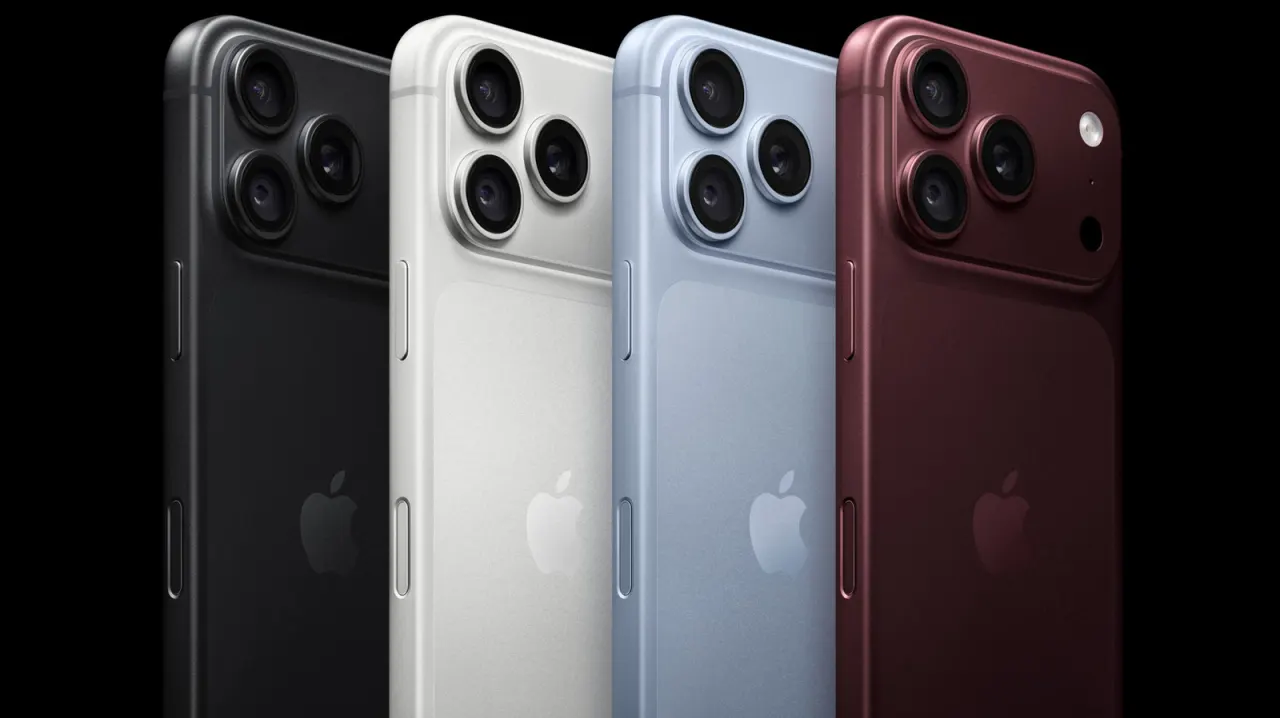
Global smartphone shipments fell by 20 per cent year on year in the third quarter, reaching their lowest Q3 level since 2012. Despite the downturn, Samsung and Apple increased their shares of the market, while higher component costs and supply shortages pushed prices up and changed how some consumers shop.
Counterpoint Research attributes the squeeze to rising DRAM and NAND prices, with global retail smartphone prices up 20 per cent since the start of the year. Samsung held 23 per cent of the market, up four percentage points, despite shipments falling 3 per cent; Apple reached a Q3 record 22 per cent, up from 18 per cent, supported by the iPhone 18 Pro launch and continuing iPhone 17 demand. Xiaomi’s share fell from 14 to 10 per cent, while Oppo and Vivo ended at 9 and 8 per cent; Counterpoint says the outlook for the rest of 2026 remains challenging.
- Smartphone shipments hit their lowest third-quarter level since 2012.
- Apple’s market share rose to a Q3 record of 22 per cent.
- Higher memory costs are pushing prices up and reshaping buying habits.
New here? Start with this
Smartphone shipments measure how many new phones manufacturers send to shops and other sellers. A market share is each company’s portion of those shipments, so a company can gain share even while selling fewer phones if the overall market shrinks faster.
Samsung and Apple are two of the largest smartphone makers, competing with Chinese brands including Xiaomi, Oppo and Vivo. Their results can be affected by new phone launches, consumer demand and the cost or availability of parts such as memory chips.
Phones use DRAM and NAND memory to run apps and store data. When these parts become more expensive or harder to obtain, manufacturers and retailers may raise prices, affecting what people can afford and when they replace a phone.
Art Business Culture Gadgets Markets Technology
Read the full article at the source →
Originally published by Engadget as “Apple’s iPhone market share rose despite a downturn in smartphone shipments”.