Technology news and discussion on TalkFuse.
Apps for Caregivers Get a Dose of AI, but That Might Not Be Enough
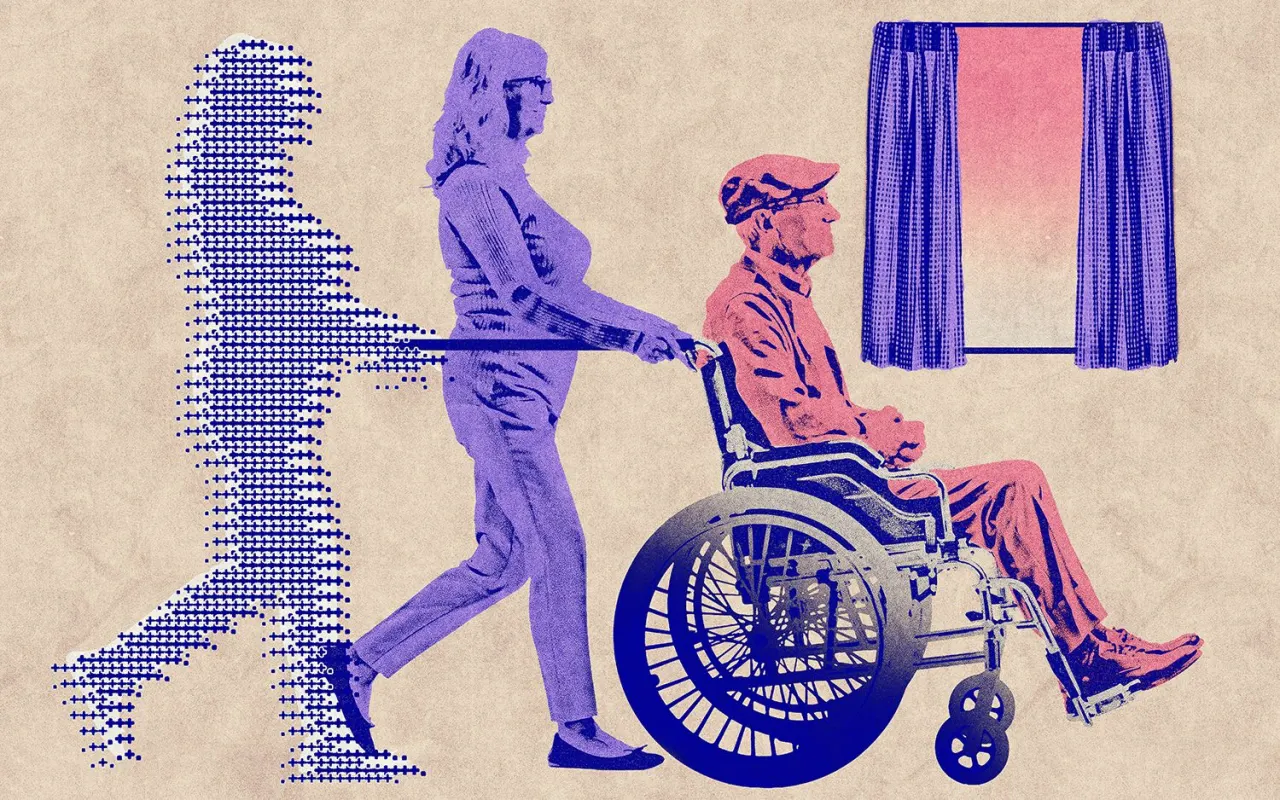
Caregiver apps are adding AI features to help families manage the often complex work of supporting people with medical conditions or disabilities. The tools aim to ease the mental load of organising care, but the article suggests technology may not be enough to address a growing need for broader support.
An estimated 63 million Americans provided care in 2025, spending up to 27 hours a week on average. Apps described include medication and appointment trackers, shared care plans and records, and AI assistants; Mejo’s premium service costs $6 a month or $60 a year. Citizen Health’s Ari, which can use medical records and calendar information, is in beta, while the Briggzy app is being tested ahead of a hoped-for wider launch in 2027.
In short
- 63 million Americans were caregivers in 2025.
- Apps help families coordinate appointments, medication and records.
- AI tools are emerging, but wider caregiver support remains a challenge.
Steelman: both sides, in good faith
The strongest fair case each way — we don't pick a winner.
The case for
AI-enabled caregiver apps could make demanding care work easier to coordinate by bringing schedules, records and shared plans together, while assistants may help families navigate complex information. At a modest subscription cost, these tools could offer practical support and reduce some of the mental load for people who cannot readily access other help.
The case against
Caregiving involves sustained practical, emotional and often physical demands that an app cannot take on, and organising information is only one part of the burden. Relying on digital tools may leave broader needs unmet, particularly for families who need hands-on assistance or cannot afford, access or confidently use the services.