Video games news, releases, esports and culture — all the biggest gaming stories in one place.
Arc Raiders players have destroyed 14.8 billion robots, but Embark is keeping its PvP stats quiet
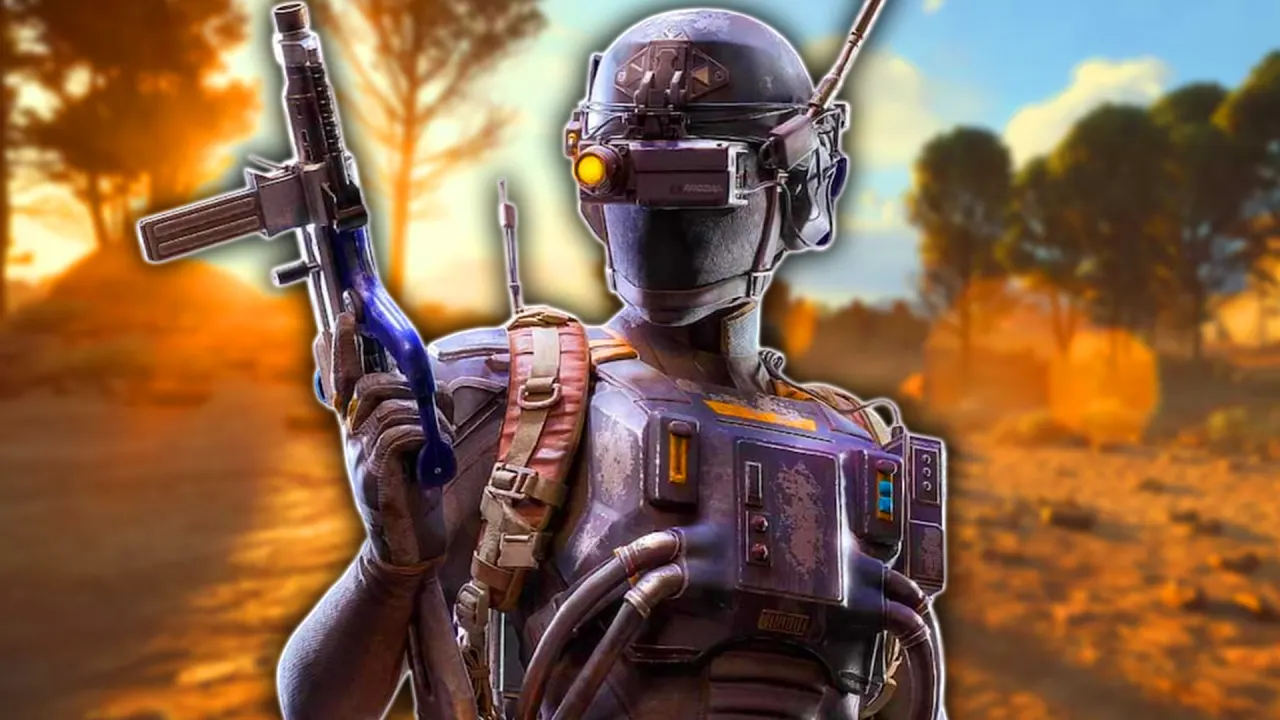
Embark Studios marked Arc Raiders’ first year with figures showing that players completed six billion rounds, but its anniversary roundup left out detailed statistics on player-versus-player activity. The omission means the figures celebrate the game’s scale and cooperation without showing how often Raiders fight, deal damage to one another or loot defeated players.
Players destroyed more than 14.8 billion robotic enemies, including nearly 3.9 million Queens and 2.9 million MatriArchs. One player healed 5,643 others, while another healed 18 strangers in a single raid; meanwhile, 3,625 players were killed by volcanic rocks. Embark also named the Anvil the Rust Belt’s favourite weapon and said players fed Scrappy 6,800 tonnes of food, with apricots his favourite.
In short
- Players completed six billion rounds in Arc Raiders’ first year.
- More than 14.8 billion robotic enemies were destroyed.
- Embark did not share detailed PvP statistics.
Steelman: both sides, in good faith
The strongest fair case each way — we don't pick a winner.
The case for
A studio anniversary roundup can reasonably focus on cooperative play and shared milestones, celebrating the activity that brings players together without spotlighting violence between them. PvP figures may also be easy to misread without context, and leaving them out avoids turning player conflict into a headline statistic.
The case against
PvP is a substantial part of the game, so omitting those figures leaves an incomplete picture of how players actually spend their time. Publishing comparable numbers on fights, damage and looting would make the anniversary report more transparent and let players assess the balance between cooperation and competition.
Explained simply
Arc Raiders is an online game from Embark Studios, set in a world where people known as Raiders venture into dangerous areas called the Rust Belt. They can work together to gather supplies and fight robotic enemies, while also encountering other players.
The game allows player-versus-player combat, so Raiders may fight one another as well as the robots. Embark’s anniversary figures highlight the game’s size and cooperative play; without figures on player encounters, they give less insight into how often Raiders help or harm one another.
Those distinctions matter because cooperation and competition are both part of the game’s design. The figures offer a snapshot of the community’s activity, but leave that part of players’ experience harder to measure.