Culture news and discussion on TalkFuse.
Are remote car starters still worth it in 2026?
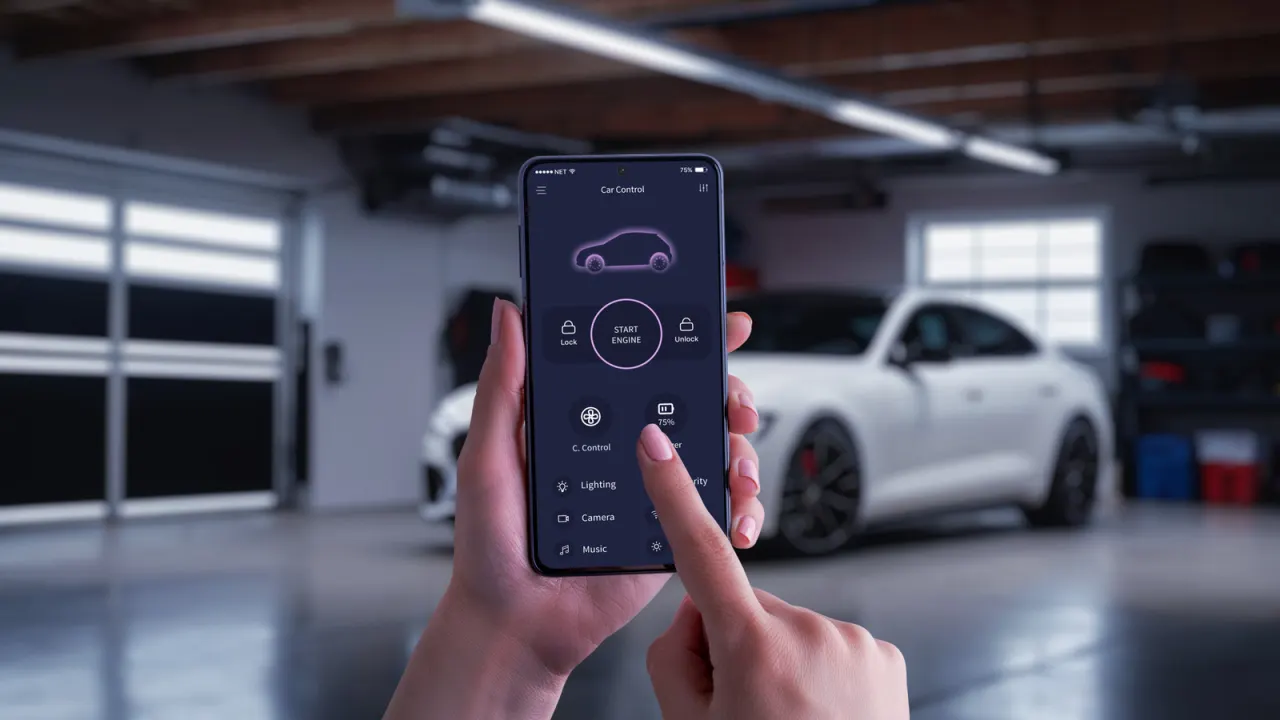
Remote car starters remain useful for pre-heating or cooling a vehicle's cabin before driving, but the way drivers access this feature has changed significantly by 2026, with automakers increasingly locking it behind paid subscriptions rather than including it as a standard feature. This shifts the key decision for car owners from simply whether to get remote start to whether it makes more financial sense to pay a manufacturer's monthly fee or invest once in an aftermarket system, a choice that largely depends on the age of the vehicle, how long it will be kept, and tolerance for ongoing costs.
Manufacturers including GM, Toyota, Subaru, Mazda, Honda and Nissan now charge subscription fees of between $10 and $25 a month for app-based remote start, typically after a free trial period ranging from 30 days to three years depending on the brand and model. Some brands, such as Ford, Lincoln, Jeep, Dodge, Tesla and Rivian, offer app-based remote start free for up to ten years. Aftermarket alternatives from brands like Compustar, Viper and Python require no ongoing fees, with hardware costing upwards of $150 and professional installation roughly doubling that, making them a one-off cost that can work out cheaper over time and are often the only option for older vehicles.
In short
- Automakers increasingly charge $10–$25/month subscriptions for remote start
- Aftermarket systems (from $150+) are a one-time cost with no fees
- Some brands (Ford, Tesla, Rivian) still offer free app-based remote start
Steelman: both sides, in good faith
The strongest fair case each way — we don't pick a winner.
The case for
A manufacturer’s subscription can be worthwhile for owners who value app convenience, prefer a system designed for their vehicle, and expect to change cars before a one-off installation pays for itself. Free trials or long free-use periods can also make the feature good value, especially for newer cars and drivers who use remote start regularly.
The case against
Recurring fees can make a basic convenience costly over years of ownership, particularly when the feature is tied to an app subscription that may end after a trial. An aftermarket system costs more upfront but avoids monthly charges and can suit long-term owners or drivers of older vehicles, making it better value over time.
Explained simply
A remote car starter is a feature that allows drivers to start their vehicle from a distance using an app or key fob, typically to warm up or cool down the cabin before driving. This convenience feature has become increasingly expected in modern cars.
By 2026, the way manufacturers offer remote start has changed substantially, with many car makers now charging subscription fees between $10 and $25 per month instead of including it as standard, though others offer extended free trial periods. This means car owners must now choose between paying these ongoing monthly fees or exploring alternative solutions.
Drivers can opt for manufacturer-provided subscriptions from brands like GM and Toyota, though other manufacturers including Ford, Tesla and Rivian offer app-based remote start free for several years. Alternatively, aftermarket systems from companies such as Compustar and Viper require upfront costs of roughly $300 combined, but incur no ongoing fees, making the long-term financial calculation dependent on how long the driver intends to keep their vehicle.
Art Celebrity Culture Entertainment