Are Russian Filmmakers Finally Coming in From the Cold?
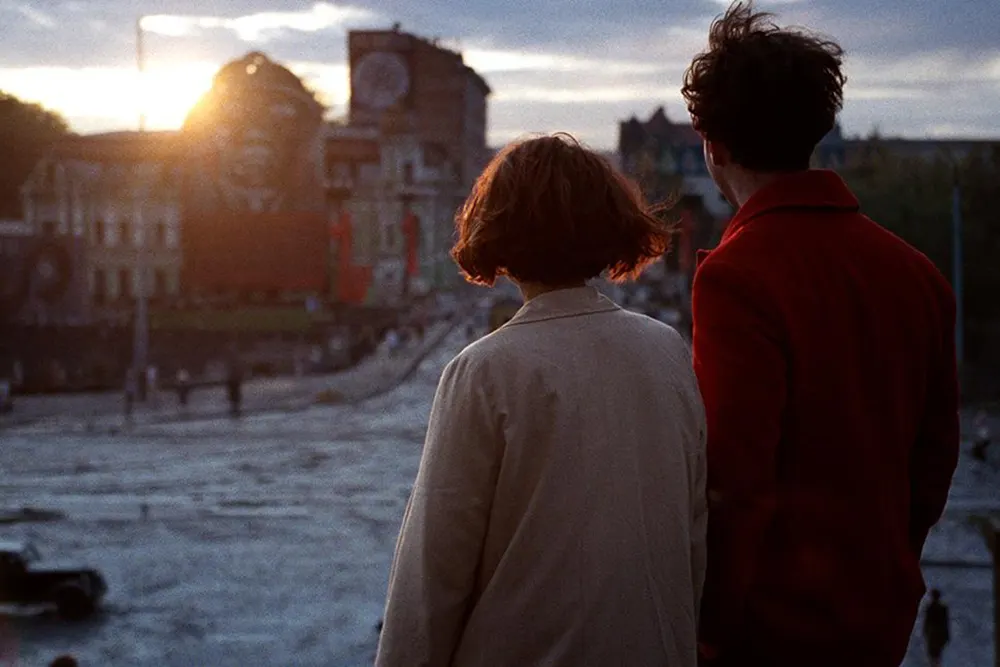
Top film festivals, including Venice, are increasingly featuring work by Russian filmmakers even as the war in Ukraine continues into its fifth year, a shift that has reignited debate about whether cultural boycotts of Russia are eroding. The trend has proved contentious, most visibly around Ilya Khrzhanovsky's "DAU," which drew accusations from Ukrainian officials that its inclusion in Venice's main competition lent respectability to Putin's regime, though both the director and festival chief Alberto Barbera rejected claims of state backing or pro-Kremlin sympathies.
Many of the filmmakers now appearing at major festivals are Russian-born exiles who left the country either before or after the 2022 invasion, including Victor Kossakovsky, Andrey Zvyagintsev and Nastia Korkia, who have recently won prizes at Venice and Cannes. Figures such as Alexander Rodnyansky, sentenced in absentia to 8.5 years in prison by a Moscow court over his opposition to the war, describe a divide between the Russian state and a diaspora of dissenting artists now based across Europe and the US, some of whom, like Kantemir Balagov, are rebuilding their careers abroad with new international productions.
In short
- Russian exile filmmakers are regaining prominence at top film festivals.
- Venice's inclusion of Khrzhanovsky's "DAU" sparked Ukrainian government criticism.
- Many affected directors fled Russia after the 2022 invasion.
Steelman: both sides, in good faith
The strongest fair case each way — we don't pick a winner.
The case for
Including Russian filmmakers, particularly exiles who have opposed the war or left Russia, can distinguish independent artistic work from state policy and give dissenting voices an international platform. Supporters may argue that judging films on their merits protects artistic freedom and avoids treating nationality as evidence of political allegiance.
The case against
Even when filmmakers are independent or anti-war, prominent festival placements can be read as restoring Russia’s cultural standing while Ukraine remains under attack. Critics may argue that festivals should consider this wider effect, and that giving Russian films prestige and attention can overshadow Ukrainian voices or weaken the force of cultural pressure on the Russian state.
Explained simply
Russia’s 2022 invasion of Ukraine prompted many cultural organisations to reconsider ties with Russia, including whether to show work by Russian artists. Film festivals have continued to programme some Russian filmmakers, prompting debate about whether a boycott should apply to artists who oppose the war or have left the country.
Some of those appearing at festivals are Russian-born filmmakers now living abroad, such as Victor Kossakovsky, Andrey Zvyagintsev and Nastia Korkia. Their work raises questions about how to distinguish artists from the Russian state, and about the place of Russian culture while the war continues.
Entertainment Europe Film World