Ariana Grande condemns Trump TikTok use of her song
Developed over time first seen 2 months ago
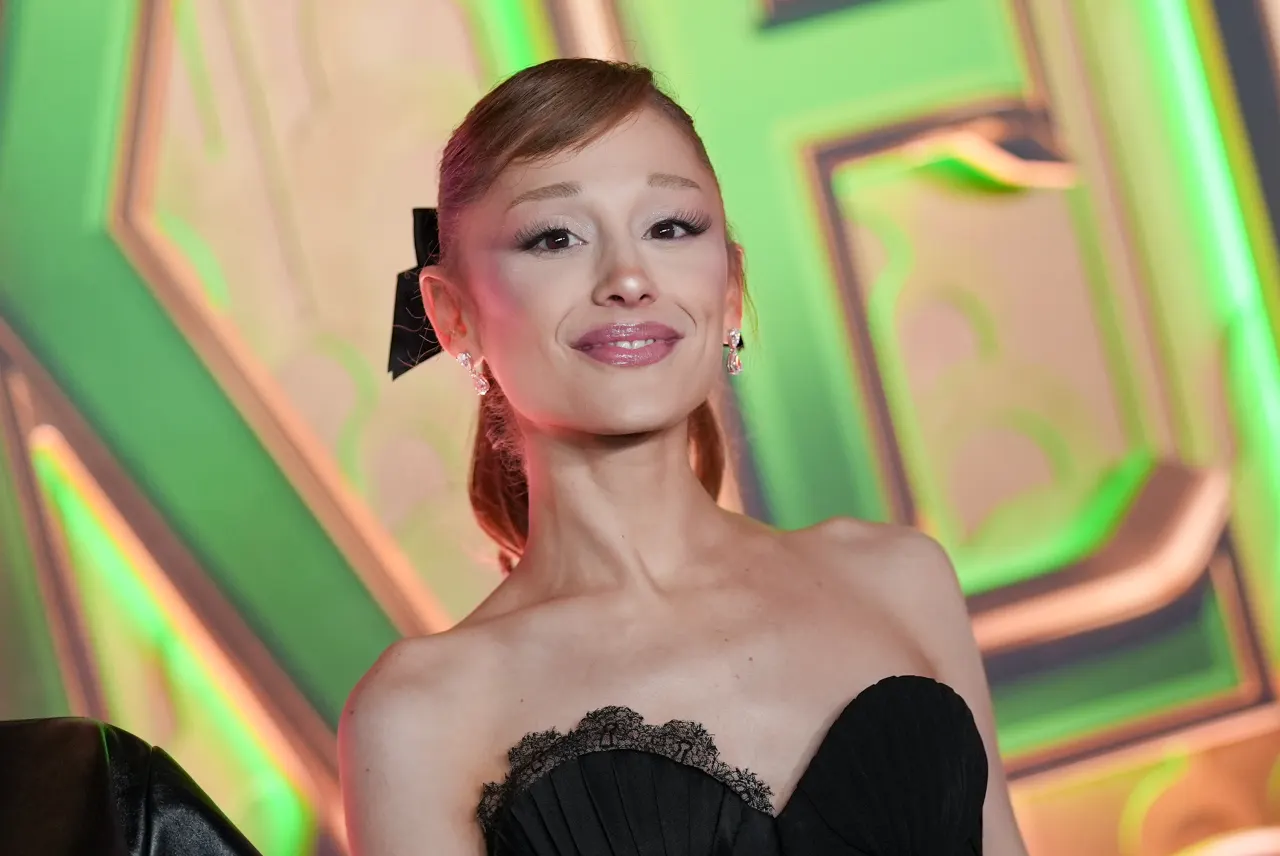
Pop star Ariana Grande publicly criticised the Trump administration after the "Team Trump" TikTok account used her 2024 single "We Can't Be Friends (Wait For Your Love)" as the soundtrack for a video, marking the second such clash between the singer and the White House in as many months. The clip showed President Trump walking to a podium with on-screen text about transgender women in sport, captioned "This shouldn't be controversial!" alongside hashtags including her name. Grande responded in the comments, telling the account to "never use my music again" and adding "your truth is false"; the White House did not respond to a request for comment, and as of the article's publication the track remained on the post.
The episode followed a similar incident in June, when the White House used her song "Bye" in a TikTok post depicting ICE agents making arrests; Grande condemned the pairing at the time, calling it "barbaric, inhumane, heinous," and her team succeeded in having that track removed. Grande joins a growing list of musicians pushing back on the administration's use of their music without permission, including Taylor Swift and Bad Bunny, who both had tracks pulled from official posts, and Noah Kahan, who objected in July after his song "American Cars" featured in a White House Instagram post.
- Grande blasted Trump's team for using her song "We Can't Be Friends" in a TikTok post
- She commented "never use my music again… your truth is false"
- It's the second clash in two months, following a June dispute over her song "Bye"
New here? Start with this
Ariana Grande is one of several major artists, including Taylor Swift, Bad Bunny and Noah Kahan, who have objected after the Trump administration or affiliated accounts used their songs in social media videos without permission. The dispute centres on TikTok posts from official or campaign-linked accounts pairing an artist's music with political content, which the artists say misrepresents their views or associates them with policies they do not endorse.
Grande has clashed with the White House over this twice in recent months, first in June over a post about immigration enforcement, and again in August over a video touching on transgender participation in sport. In both cases her objection was the same: that her music was used to accompany messaging she had not agreed to and did not support.
The wider issue touches on how political campaigns and government accounts use copyrighted music on social media, and what control artists have over how their work is associated with political messages. It also raises questions about licensing rules on platforms like TikTok and how quickly disputed content gets removed once an artist objects.
Both sides, in good faith
The strongest fair case each way — we don't pick a winner.
The case for
The administration could argue that brief incorporation of a popular song into political commentary constitutes transformative fair use, particularly given constitutional protections for political speech. Using a few seconds of background music to accompany a political statement on a matter of public debate does not substitute for or diminish the market value of the original work. Granting individual artists absolute veto power over any political message that incorporates their music would effectively limit legitimate political expression and reflects standard campaign practice that has long drawn upon popular culture.
The case against
Artists retain fundamental intellectual property rights to control how their creative work is used and what messages it is associated with—rights that exist precisely for this purpose. When Grande explicitly objected to the earlier use accompanying ICE enforcement imagery and it was removed, the administration's continued unauthorised use demonstrates deliberate disregard for her stated wishes and artistic autonomy. Copyright protections become meaningless if powerful entities can repeatedly misappropriate artists' work; the pattern across multiple musicians shows systematic undermining of creators' control over their own creative output.
More coverage
- Deadline — Ariana Grande Slams Trump For Using Her Song In Anti-Trans TikTok: “Your Truth Is False”
- Billboard — Ariana Grande Slams Trump Administration for Using ‘We Can’t Be Friends’ in TikTok Video: ‘Your Truth Is False’
Entertainment Music Trending Weird & Viral
Read the full article at the source →
Originally published by Variety as “Ariana Grande Blasts Trump Administration for Using ‘We Can’t Be Friends’ in Social Post: ‘Your Truth Is False’”.